While the Sri Lankan government has cleared legal hurdles for war-time refugees to return home, thousands living in Tamil Nadu camps remain hesitant due to economic instability and lack of livelihood.
- Sri Lanka has removed legal barriers for refugees who fled the civil war without valid passports.
- Nearly 90,000 Sri Lankan refugees reside in India, with over 58,000 in Tamil Nadu camps.
- Economic crisis in Sri Lanka and lack of land ownership are major deterrents to repatriation.
In a significant move, the Sri Lankan government has dismantled a long-standing legal obstacle that prevented refugees from returning voluntarily. For decades, those who fled the brutal civil war through unauthorized routes or without valid documentation faced the threat of prosecution upon arrival. This new cabinet decision allows those whose nationality is established to enter through authorized ports without fear of immigration law violations.
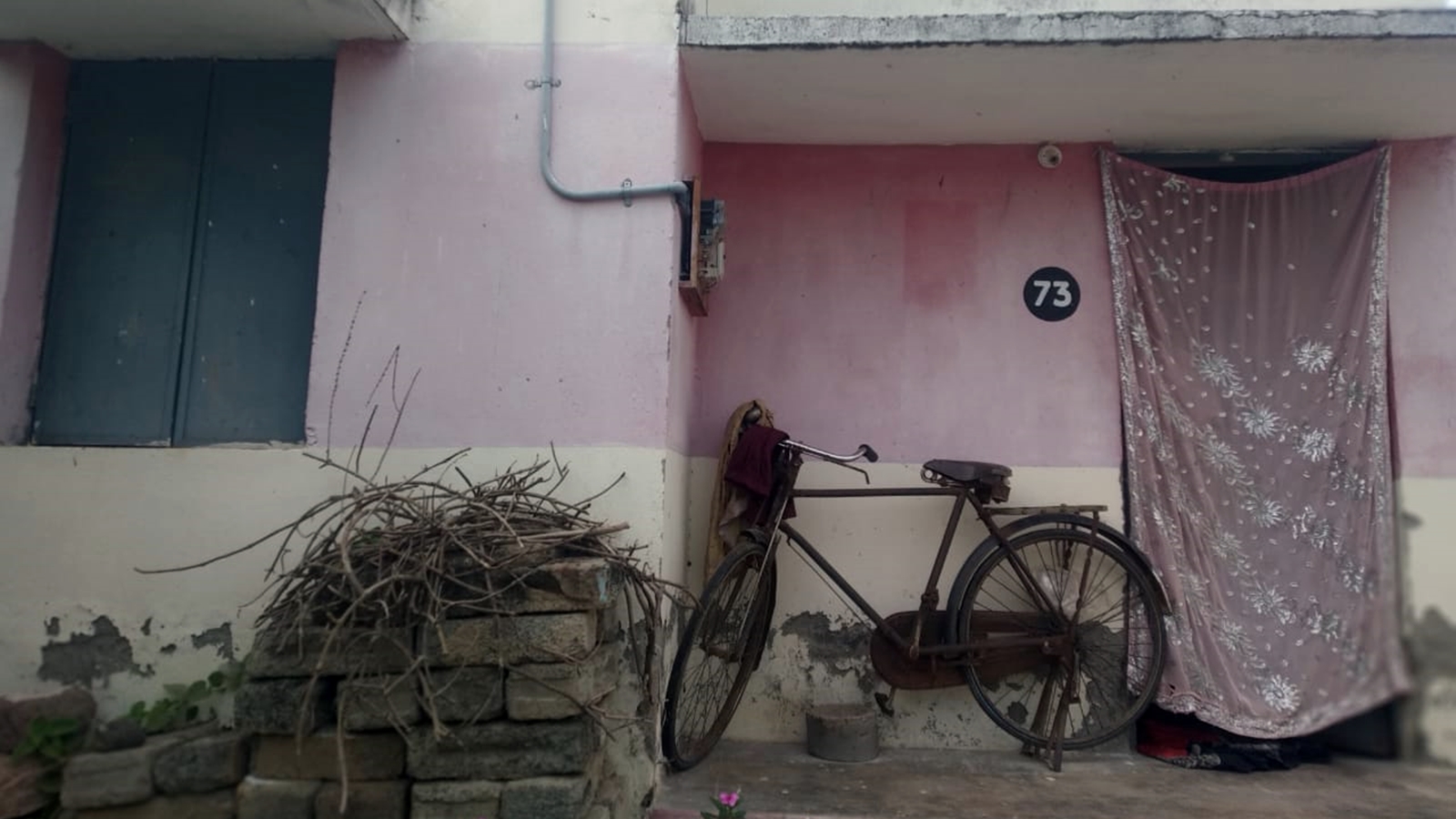
However, for the thousands of refugees currently residing in the camps of Tamil Nadu, this legal victory feels bittersweet. Men like Mahendran, who crossed the Palk Strait in 1990, find themselves caught between a nostalgic yearning for 'Ceylon' and the harsh reality of survival in India. For the second generation, born and raised in India, the connection to the homeland is even more tenuous.
Why This Matters
BozokMedia analysis shows that the issue transcends mere immigration policy; it is a complex intersection of human rights, economic survival, and geopolitical stability. The reluctance to return is not a rejection of the homeland, but a rational response to the economic volatility currently plaguing Sri Lanka.
The legal pathway is open, but the economic bridge remains broken for those seeking a dignified life.
Data reveals a staggering decline in repatriation numbers. In 2011, over 1,600 refugees returned to Sri Lanka annually; by 2025, that number plummeted to just 92. This trend highlights a critical gap: while the government offers legal entry, it lacks a robust economic reintegration package. Only about 15-20% of refugees own land in Sri Lanka, leaving the rest without a foundation for resettlement.
Historical Background
The Sri Lankan Civil War, which lasted decades, displaced millions of ethnic Tamils. During the height of the conflict in the early 1990s, many sought refuge in India by crossing the sea in small boats, dodging both the LTTE and the Sri Lankan military, eventually landing on the shores of Dhanushkodi and other parts of Tamil Nadu.
Frequently Asked Questions
Question 1: What has changed in Sri Lankan immigration law?
Answer: Refugees who left the country illegally before May 19, 2009, can now return through authorized ports without facing prosecution.
Question 2: Why are so few refugees returning to Sri Lanka?
Answer: The primary reasons are the ongoing economic crisis in Sri Lanka, lack of guaranteed employment, and minimal land ownership among returnees.