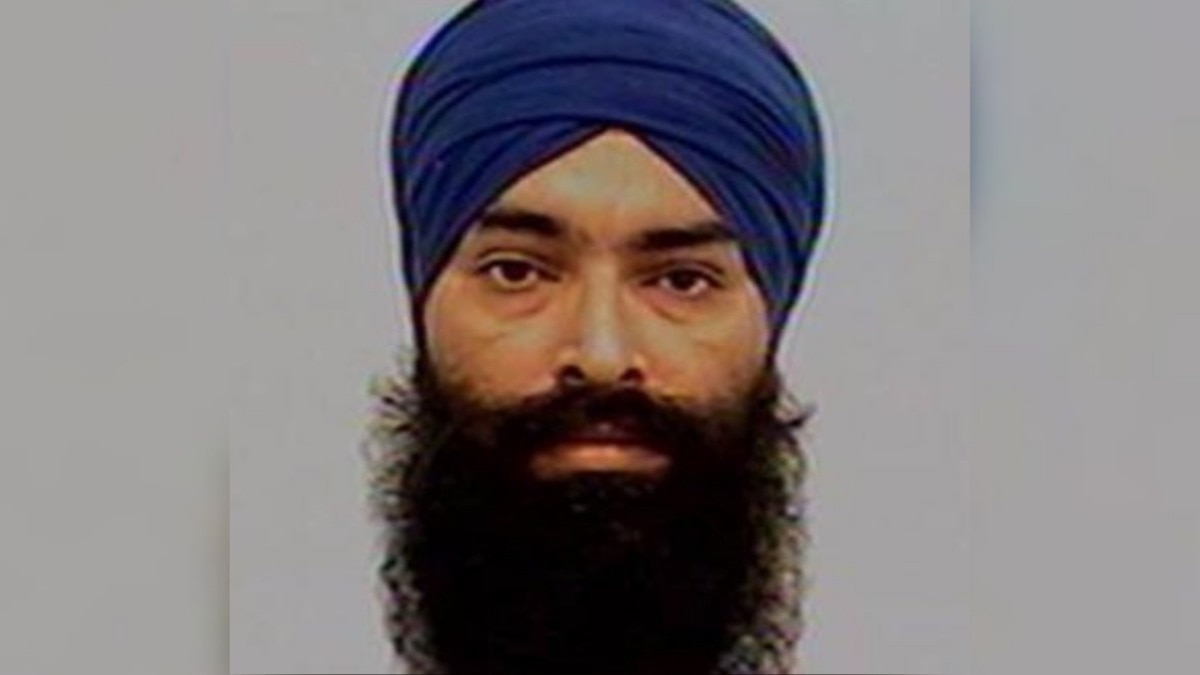
A Belgian prosecutor has announced that a Canadian national accused of spying for NATO will remain in custody. The case underscores growing tensions and security breaches within international intelligence networks.
- A Canadian citizen accused of NATO espionage will stay in custody in Belgium.
- The prosecutor's office cited the need for further evidence gathering.
- The case raises significant questions about security protocols at NATO headquarters.
The Belgian prosecutor's office has formally confirmed that a Canadian national, suspected of engaging in espionage activities related to NATO, will remain in custody. This decision comes as investigators delve deeper into the extent of the breach and the nature of the classified information allegedly compromised by the suspect.
The arrest has sent shockwaves through the diplomatic community in Brussels. The suspect is accused of leveraging their position or access to gather sensitive strategic data from within the heart of the alliance's operations. Given that Brussels hosts the NATO headquarters, the Belgian authorities are now under pressure to tighten security measures.
Why This Matters
BozokMedia analysis shows that this incident highlights a critical vulnerability in the security protocols of international alliances. When a citizen of a member state is accused of spying within the alliance's own headquarters, it creates a crisis of trust between the involved nations. This could lead to stricter vetting processes for diplomats and intelligence officers operating within the EU.
"The intersection of diplomatic immunity and espionage laws often creates a legal grey area that suspects exploit during initial custody phases."
Historically, Canada and Belgium have maintained exemplary diplomatic ties. However, an espionage case of this magnitude could strain bilateral relations. Intelligence experts suggest that the suspect may not have acted alone, pointing toward the possibility of a larger, coordinated intelligence operation.
Currently, the investigative team is analyzing digital footprints and encrypted communication logs. The prosecutor emphasized that extending the custody period is essential to prevent the suspect from communicating with external handlers or destroying potential evidence.
Frequently Asked Questions
Q1: What are the primary charges against the Canadian suspect?
The suspect is accused of espionage and the unauthorized acquisition of classified NATO information.
Q2: How does this affect NATO's operations?
It prompts a comprehensive review of internal security and a reassessment of trust-based access for member-state nationals.