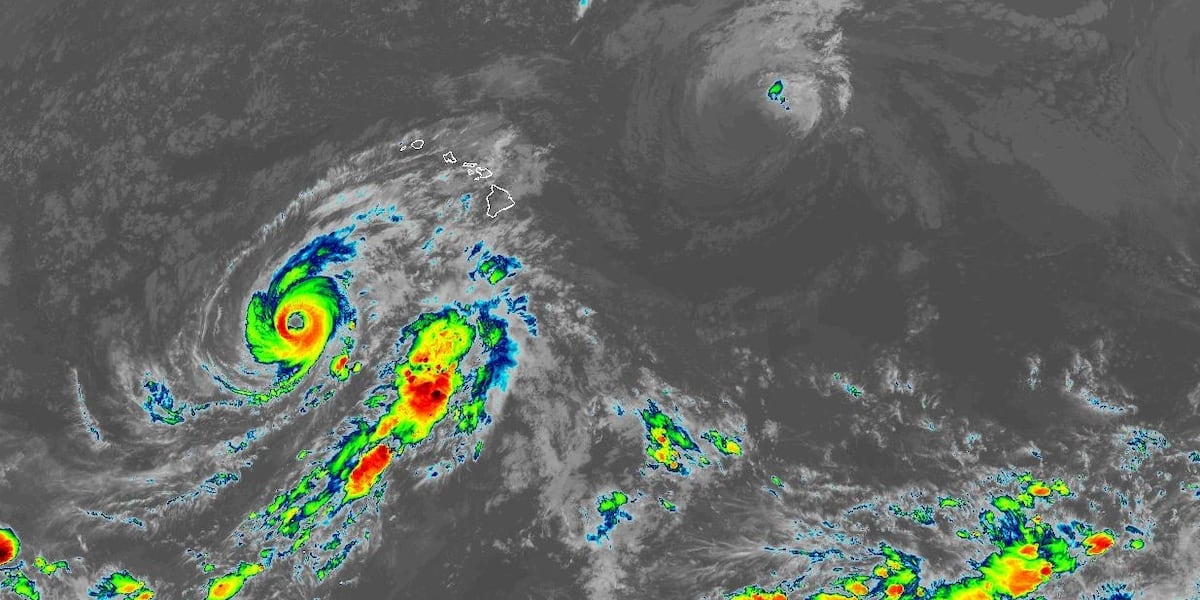
Observed every October 13, the International Day for Disaster Risk Reduction aims to promote a global culture of prevention and preparedness to minimize the impact of natural and man-made catastrophes.
- Observed annually on October 13 to enhance global disaster preparedness.
- Focuses on shifting the paradigm from disaster response to disaster prevention.
- Promotes the implementation of the Sendai Framework for Disaster Risk Reduction.
The International Day for Disaster Risk Reduction, established by the United Nations, serves as a critical reminder that while we cannot stop all natural hazards, we can certainly reduce the risks they pose. This global observance encourages nations to invest in resilience and move away from the costly cycle of 'damage and repair'.
Historically, the world has suffered immense losses from earthquakes, floods, and wildfires. The realization that vulnerability is often a result of poor urban planning and lack of foresight led to the creation of the Sendai Framework. This framework outlines a comprehensive approach to understanding disaster risk and strengthening governance to protect lives and livelihoods.
Why This Matters
BozokMedia analysis shows that the escalating climate crisis is amplifying the frequency and severity of extreme weather events. In this context, disaster risk reduction (DRR) is no longer optional; it is a survival necessity. Investing in early warning systems and resilient infrastructure can save millions of lives and billions of dollars in economic losses.
"Resilience is not about bouncing back, but bouncing forward to a safer and more sustainable future."
Modern technology is playing a pivotal role in this mission. From AI-driven predictive modeling to satellite-based monitoring, the ability to forecast disasters has improved. However, the 'last mile' connectivity—ensuring that the most vulnerable populations receive and act upon these warnings—remains the biggest challenge.
Frequently Asked Questions
Q1: What is the primary goal of the International Day for Disaster Risk Reduction?
A: The primary goal is to raise awareness about the importance of disaster prevention and to encourage governments and individuals to reduce vulnerabilities.
Q2: How can individuals contribute to disaster risk reduction?
A: Individuals can contribute by creating family emergency plans, participating in community drills, and staying informed about local risks.