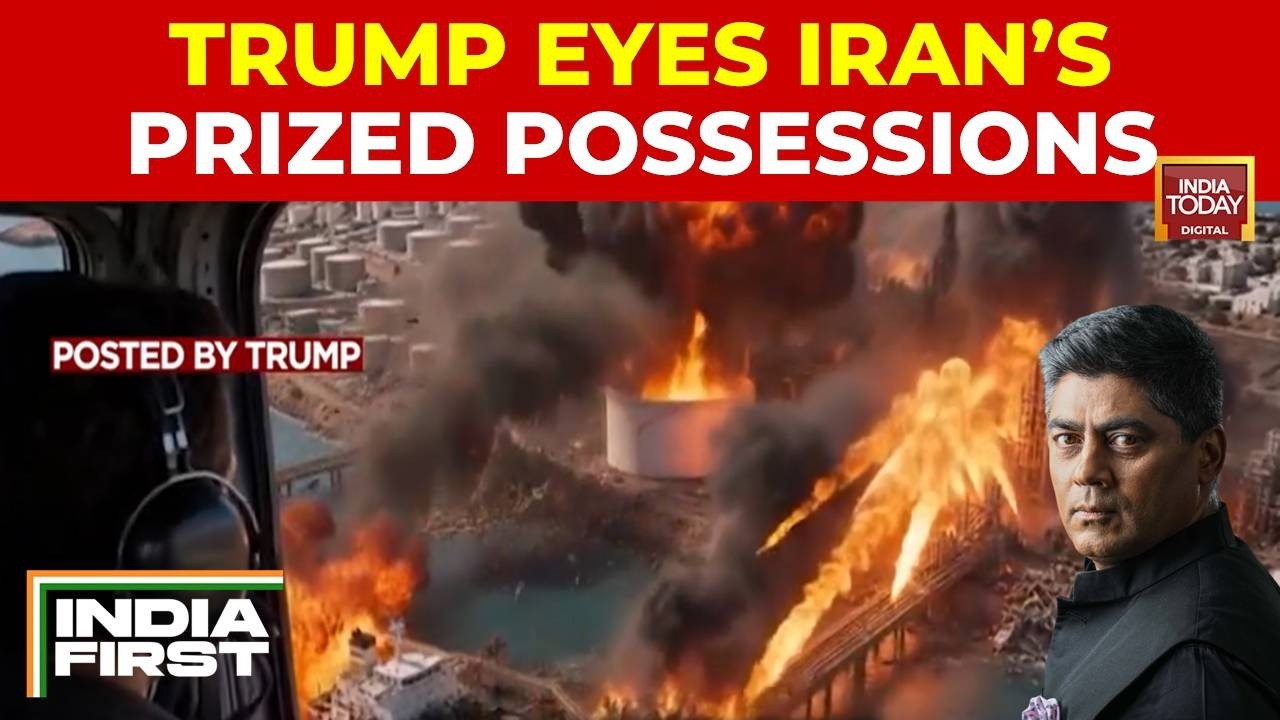
The Islamic Revolutionary Guard Corps (IRGC) reports that a supertanker has caught fire after striking sea mines in the Strait of Hormuz, sparking fears of a global energy crisis and escalating regional tensions.
- A Kuwaiti oil tanker was attacked in the strategic Strait of Hormuz.
- The IRGC claims the vessel struck two sea mines, leading to a massive fire.
- Potential for immediate volatility in global crude oil benchmarks.
Tensions have reached a breaking point in the Strait of Hormuz, one of the world's most critical maritime chokepoints. The Islamic Revolutionary Guard Corps (IRGC) of Iran has announced that a supertanker was struck by sea mines, resulting in an immediate and violent fire on board. Preliminary reports suggest the vessel encountered two separate mines, causing structural failure and ignition of the cargo.
The attack on the Kuwaiti-flagged tanker comes amid a backdrop of heightened geopolitical friction. Maritime security experts suggest that the deployment of sea mines is a particularly dangerous escalation, as these weapons are indiscriminate and pose a long-term threat to all commercial traffic passing through the region.
Why This Matters
BozokMedia analysis shows that the Strait of Hormuz is the artery for approximately 20% of the world's total petroleum liquids consumption. Any prolonged disruption or perceived risk in this corridor leads to a 'risk premium' being added to oil prices, which directly impacts global inflation and transportation costs across all continents.
"The use of naval mines represents a shift toward asymmetric warfare designed to paralyze global trade without direct ship-to-ship engagement."
Historical Background: The region has a volatile history of 'Tanker Wars,' most notably during the Iran-Iraq conflict in the 1980s. In recent years, the Strait has become a theater for Iran to signal its defiance against international sanctions imposed by the US and its allies, often using seizures or sabotage to exert diplomatic pressure.
| Factor | Low Tension Scenario | High Tension Scenario |
|---|---|---|
| Oil Price | Stable/Gradual Trend | Sharp Price Spike |
| Shipping Insurance | Standard Rates | Surging War-Risk Premiums |
| Supply Chain | Seamless Flow | Severe Bottlenecks |
Frequently Asked Questions
1. Will this lead to an increase in gas prices?
Yes, instability in the Strait typically triggers a spike in Brent and WTI crude prices, which often trickles down to consumer pump prices.
2. Who is responsible for the mines?
While the IRGC reported the incident, international investigators are working to determine the origin and placement of the mines.