On the sidelines of the SCO Summit, Iranian President Masoud Pezeshkian appealed to Prime Minister Narendra Modi to use India's extensive diplomatic network to pull warring nations back from the brink of conflict.
- President Pezeshkian requested PM Modi's intervention for global peace and stability.
- Focus on expanding bilateral trade and strategic connectivity between New Delhi and Tehran.
- Recognition of India's unique position as a bridge between conflicting global powers.
In a high-stakes diplomatic encounter on the sidelines of the Shanghai Cooperation Organisation (SCO) Summit, Iranian President Masoud Pezeshkian made a poignant appeal to Indian Prime Minister Narendra Modi. President Pezeshkian urged the Indian leader to utilize India's extensive and diverse international contacts to mediate and persuade warring sides to retreat from the path of war.
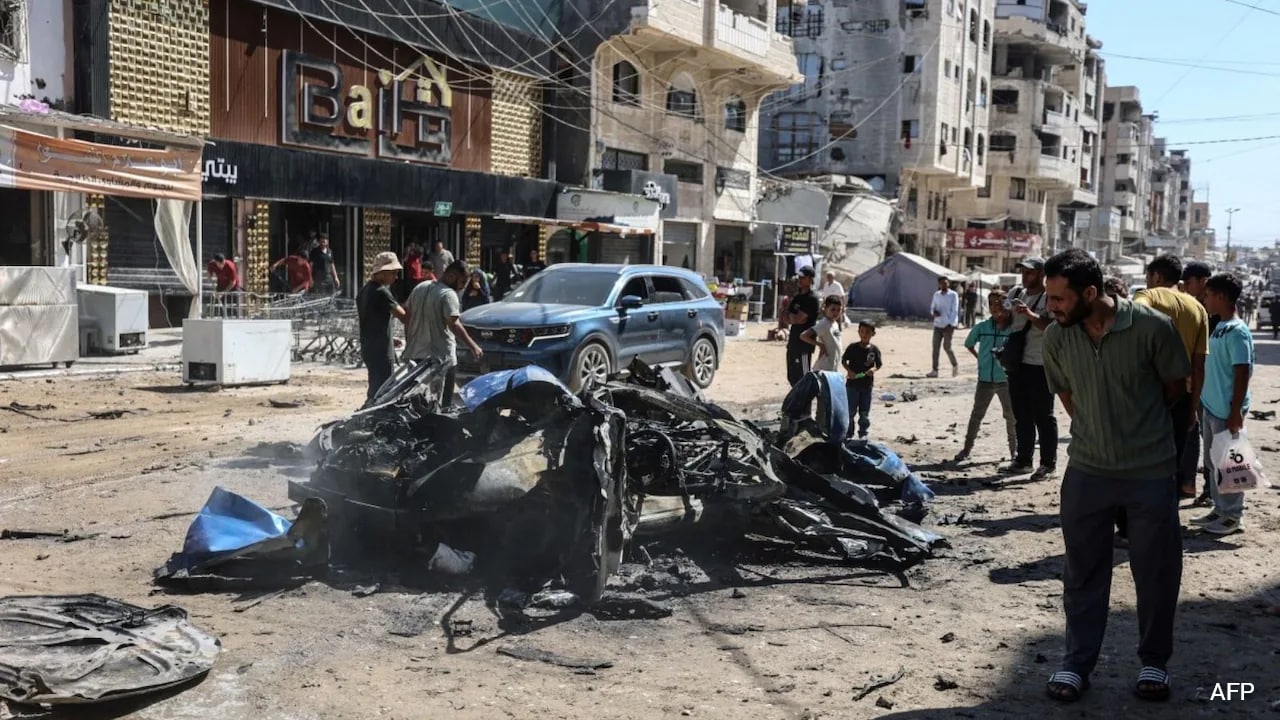
This request comes amidst a backdrop of escalating geopolitical tensions across West Asia and Eastern Europe. By turning to India, Tehran acknowledges New Delhi's growing stature as a 'Vishwaguru' or a global leader capable of maintaining a nuanced balance between the Global South and the West, as well as between competing superpowers.
Why This Matters
BozokMedia analysis shows that this appeal is a strategic validation of India's policy of 'Strategic Autonomy.' In an era of polarized alliances, India's ability to engage with both the United States and Iran simultaneously makes it one of the few nations capable of acting as a credible neutral mediator in global conflicts.
"India's diplomatic agility allows it to speak truth to power while maintaining a bridge of communication where others see only walls."
Beyond the call for peace, the meeting focused heavily on economic revitalization. Prime Minister Modi emphasized the need for expanding bilateral trade, which has been hampered by international sanctions. The leaders discussed optimizing the use of the Chabahar Port, a critical gateway for India to access Central Asia and Afghanistan, bypassing traditional roadblocks.
Historically, the India-Iran relationship has been anchored in deep cultural ties and shared interests in regional stability. However, the modern era requires a shift toward innovative financial mechanisms to facilitate trade despite the complex web of global sanctions, a topic that reportedly featured prominently in the discussions.
Frequently Asked Questions
Q1: What was the primary request made by President Pezeshkian?
A: He asked PM Modi to use India's global diplomatic reach to stop warring parties from escalating conflicts.
Q2: What economic goals were discussed during the meeting?
A: The leaders focused on expanding bilateral trade and strengthening connectivity via the Chabahar Port.