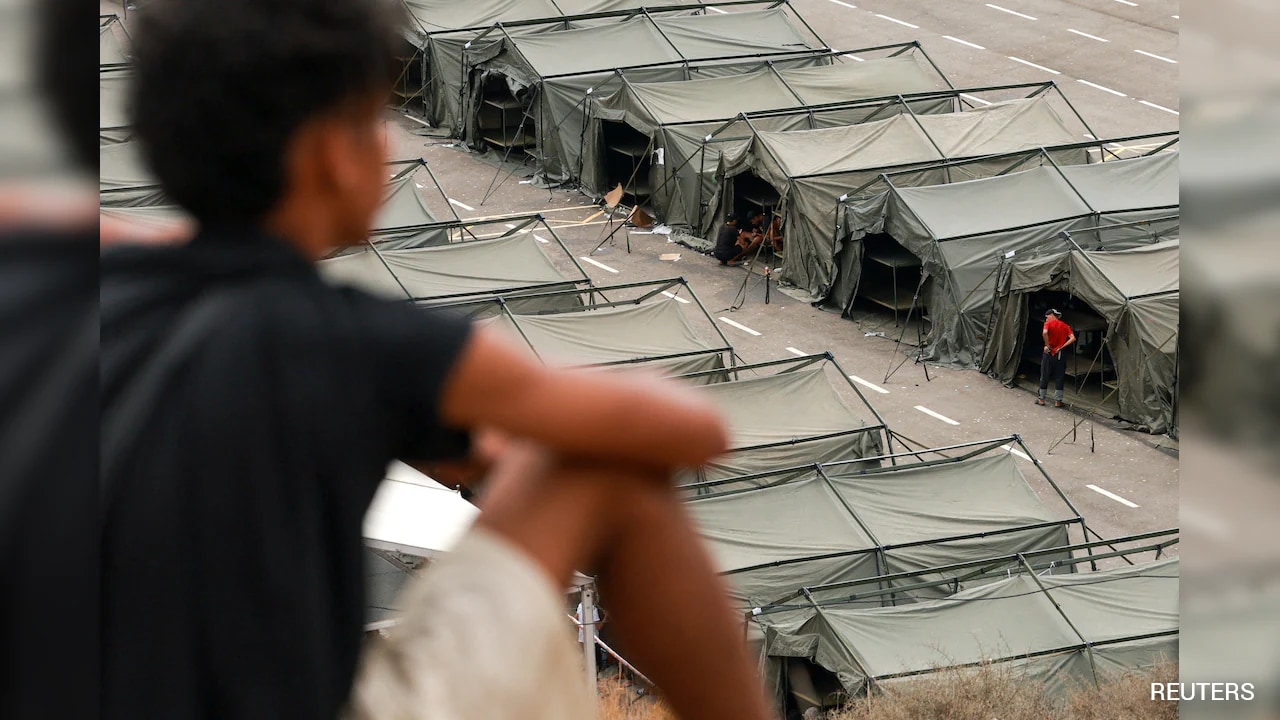
Italy has decided to prolong the suspension of open borders with Spain due to ongoing security risks. With 5,000 to 8,000 migrants still stranded in Ceuta, tensions remain high across the Mediterranean.
- Italy extends temporary border controls with Spain beyond the initial deadline.
- Approximately 5,000 to 8,000 migrants remain in the Spanish enclave of Ceuta.
- Measures originally reintroduced on August 1 remain active due to persistent security factors.
In a strategic move to curb illegal migration and enhance national security, Italy's Interior Ministry has announced the extension of border checks along the Spanish frontier. This decision comes as a direct response to the volatility surrounding the migrant crisis in the Spanish autonomous city of Ceuta, which has become a flashpoint for migration into the European Union.
According to a formal statement from the ministry, the extension was necessitated by the "persistence of the factors" that led to the initial reintroduction of checks on August 1. This indicates that the security threats and migratory pressures have not diminished, forcing Rome to maintain a hardline stance on border permeability.
Why This Matters
BozokMedia analysis shows that the continued suspension of the Schengen agreement's free-movement principle signals a growing fragmentation within the EU. As member states prioritize national security over collective openness, the systemic failure to create a unified EU migration policy becomes increasingly evident.
"The extension of border checks is a symptom of a deeper crisis in European solidarity regarding the burden-sharing of refugees."
Historically, the enclaves of Ceuta and Melilla have served as the primary gateways for migrants attempting to enter Europe from North Africa. The current situation, where between 5,000 and 8,000 individuals are reported to be in Ceuta, creates a ripple effect across Southern Europe, leading to increased pressure on Italian ports and land borders.
The logistical strain on Spanish authorities has effectively forced neighboring Italy to tighten its grip. This measure is intended to prevent the secondary movement of migrants who may enter Spain and attempt to move northward into the heart of Europe via Italy.
Frequently Asked Questions
Q1: Why did Italy extend the border checks?
A: The extension is due to ongoing security risks and the continuing migrant crisis in Ceuta, which began affecting border stability around August 1.
Q2: How many migrants are currently in Ceuta?
A: Spanish authorities estimate that between 5,000 and 8,000 people remain in the region.