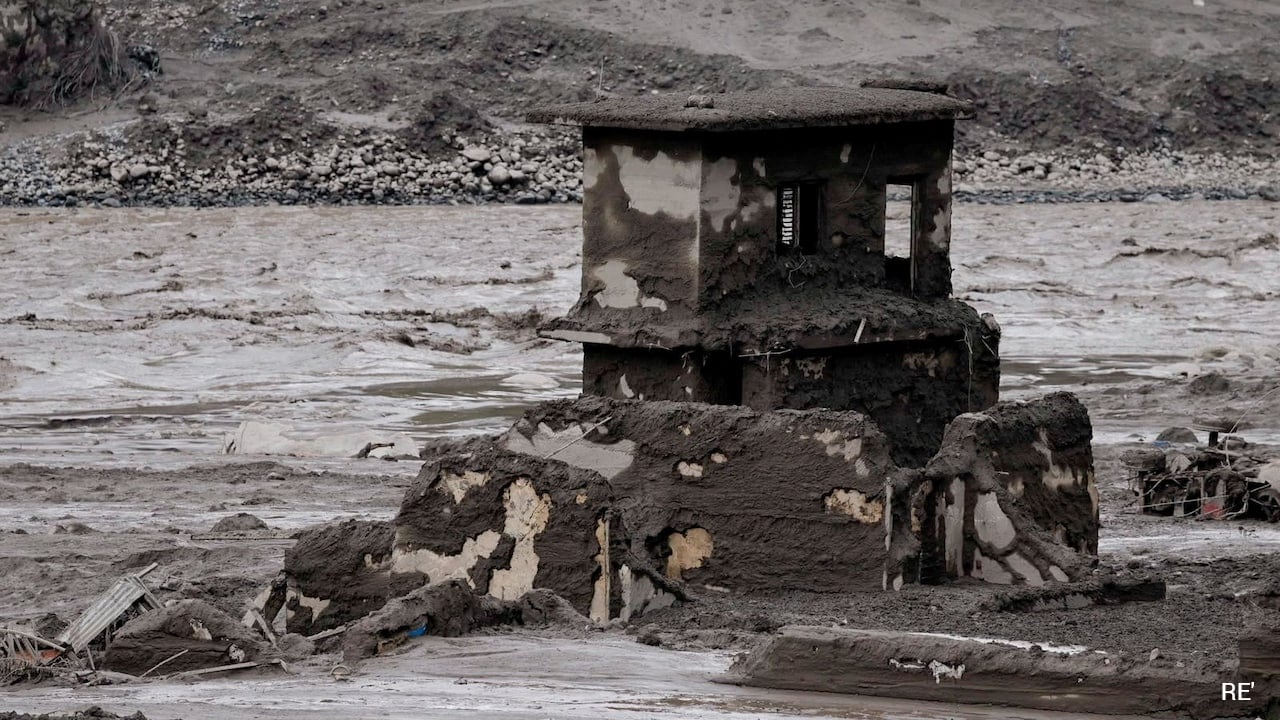
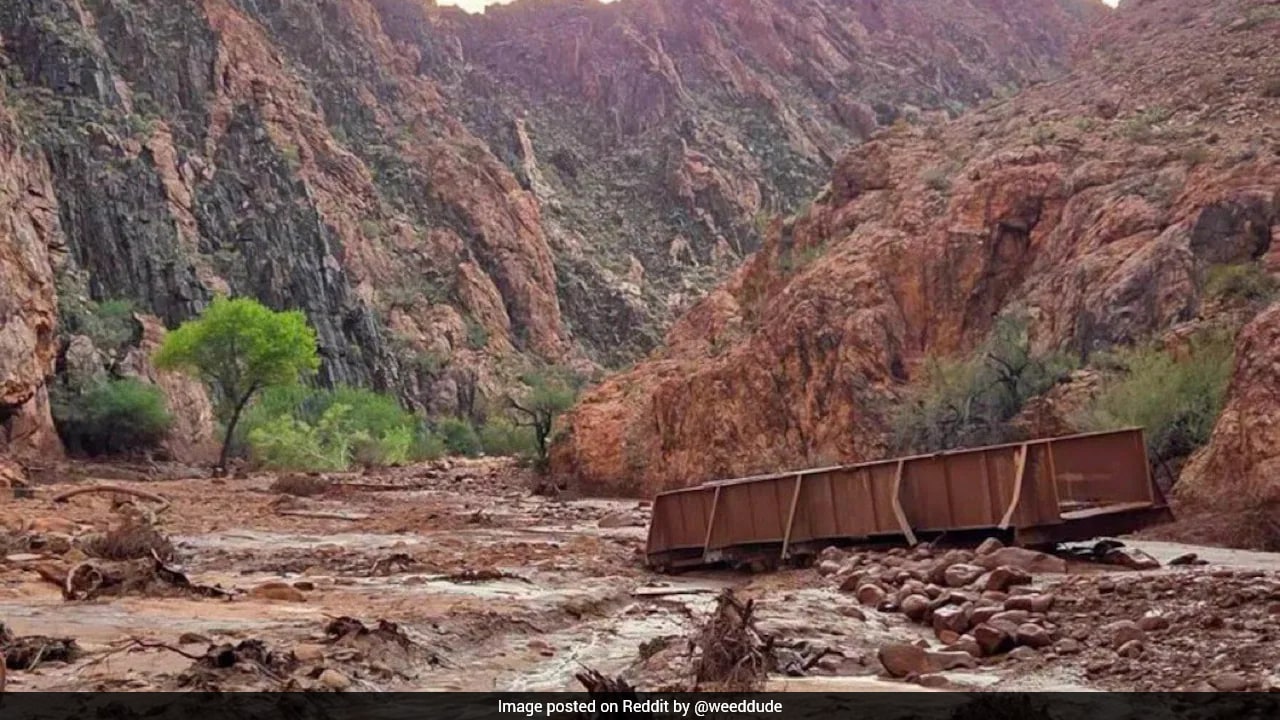
The catastrophic flash floods in Nepal and China have highlighted the extreme ecological fragility of the Hindu Kush Himalayas. U.N. climate officials warn that the region is facing unprecedented risks due to rapid climate shifts.
- Devastating flash floods have struck the border regions of Nepal and China.
- The U.N. Climate Chief warned of the extreme vulnerability of the Hindu Kush Himalayas.
- Search operations are ongoing for nearly 900 missing persons.
- Climate change is accelerating glacier melt and unpredictable weather patterns.
The recent catastrophic flash floods sweeping through the border regions of Nepal and China have sent shockwaves through the international community. Beyond the immediate loss of life and property, the disaster has brought the profound ecological vulnerability of the Hindu Kush Himalayas into sharp focus, prompting urgent warnings from global climate leaders.
The United Nations climate chief emphasized that this disaster is a stark manifestation of the instability inherent in the Himalayan mountain range. As global temperatures rise, the delicate balance of the Himalayan ecosystem is being disrupted, leading to more frequent and intense extreme weather events, including landslides and sudden-onset floods.
Why This Matters
BozokMedia analysis shows that the Hindu Kush Himalayas act as the 'Water Tower of Asia.' Any instability in this region does not remain localized; it has profound implications for the water security, agriculture, and disaster management strategies of billions of people across South and Southeast Asia. The melting of glaciers and erratic rainfall patterns are no longer theoretical threats but immediate realities.
The ecological fragility of the Himalayan region is rapidly evolving into a global climate emergency.
Rescue operations are currently at a critical stage. In Nepal, intensive searches are underway for approximately 900 missing individuals, particularly near hydroelectric units and tunnel sites. Meanwhile, in China, significant efforts have been made to rescue hundreds of people from flooded zones, though the scale of devastation remains immense.
The socio-economic impact on local communities is devastating, with entire villages facing displacement and the total loss of livelihoods. Experts argue that the international community must prioritize transboundary cooperation to establish robust early warning systems and resilient infrastructure in these high-altitude zones.
Frequently Asked Questions
1. What triggered these massive flash floods?
The primary drivers are attributed to climate-change-induced extreme precipitation and the rapid melting of Himalayan glaciers.
2. How does this affect the broader Asian region?
The instability in the Himalayas affects the flow of major river systems, which can lead to water scarcity or flooding in downstream countries like India and Bangladesh.