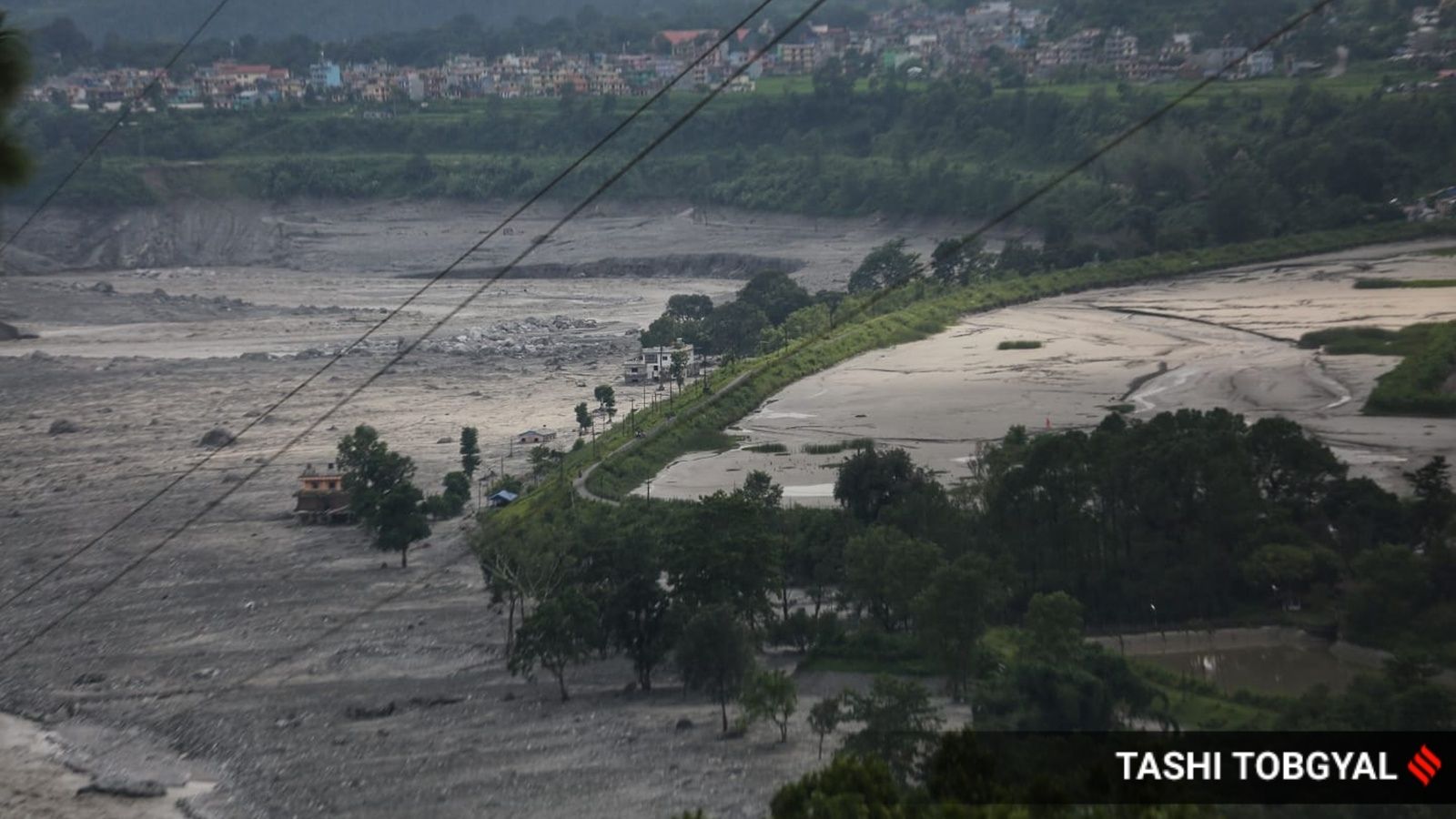
In a massive joint operation, India's specialized tunnel rescue experts have joined the Nepali Army to locate and rescue workers trapped in flood-hit hydropower tunnels in the Chilime and Langtang regions.
- India's specialized tunnel rescue team has deployed to assist the Nepali Army.
- Hundreds of workers are feared trapped in underground hydropower tunnels.
- Operations are concentrated in the high-risk Chilime and Langtang regions.
The devastating flash floods sweeping through Nepal have triggered a desperate race against time. As water levels rise in the Chilime and Langtang regions, the primary focus of emergency services has shifted to the underground hydropower tunnels, where hundreds of workers are believed to be trapped. To bolster the search efforts, a specialized tunnel search and rescue team from India has arrived on the ground to work alongside the Nepali Army.
The mission is fraught with extreme danger. The underground powerhouses and tunnels are currently experiencing unpredictable water surges and structural instability due to the flooding. The deployment of Indian specialists—trained in high-pressure, confined-space rescues—is a critical move to navigate the complex subterranean environments that standard rescue teams may struggle to penetrate.
Why This Matters
BozokMedia analysis shows that this collaborative effort underscores the vital importance of cross-border disaster management in the Himalayan corridor. Beyond the immediate humanitarian crisis, the damage to these hydropower assets poses a significant threat to Nepal's energy infrastructure and long-term economic stability.
Rescuing personnel from flooded subterranean tunnels requires a level of technical precision that very few nations possess globally.
The Ministry of External Affairs (MEA) of India has officially confirmed the integration of the Indian team into the local operations. Indian official Randhir Jaiswal noted that the specialized units are working side-by-side with local security personnel to ensure every possible avenue for rescue is explored.
Historical Background: The Himalayan region has seen an uptick in extreme weather events and flash floods due to shifting climate patterns. These disasters frequently impact critical infrastructure like hydropower plants, which are essential for the region's development but highly vulnerable to geological and hydrological shifts.
Frequently Asked Questions
Question 1: Which areas are most affected by the current floods?
Answer: The Chilime and Langtang regions are currently the epicenters of the flood and rescue operations.
Question 2: Is India providing direct assistance to Nepal?
Answer: Yes, India has deployed specialized technical rescue teams to support the Nepali Army in this mission.