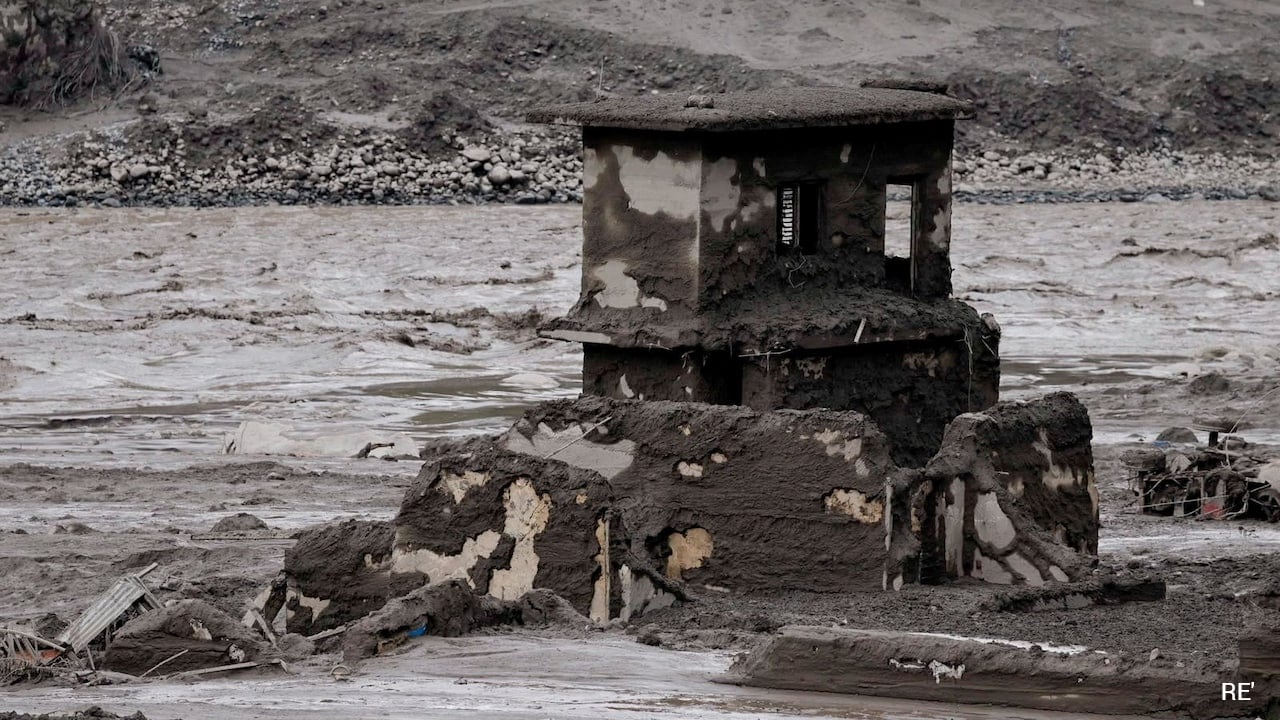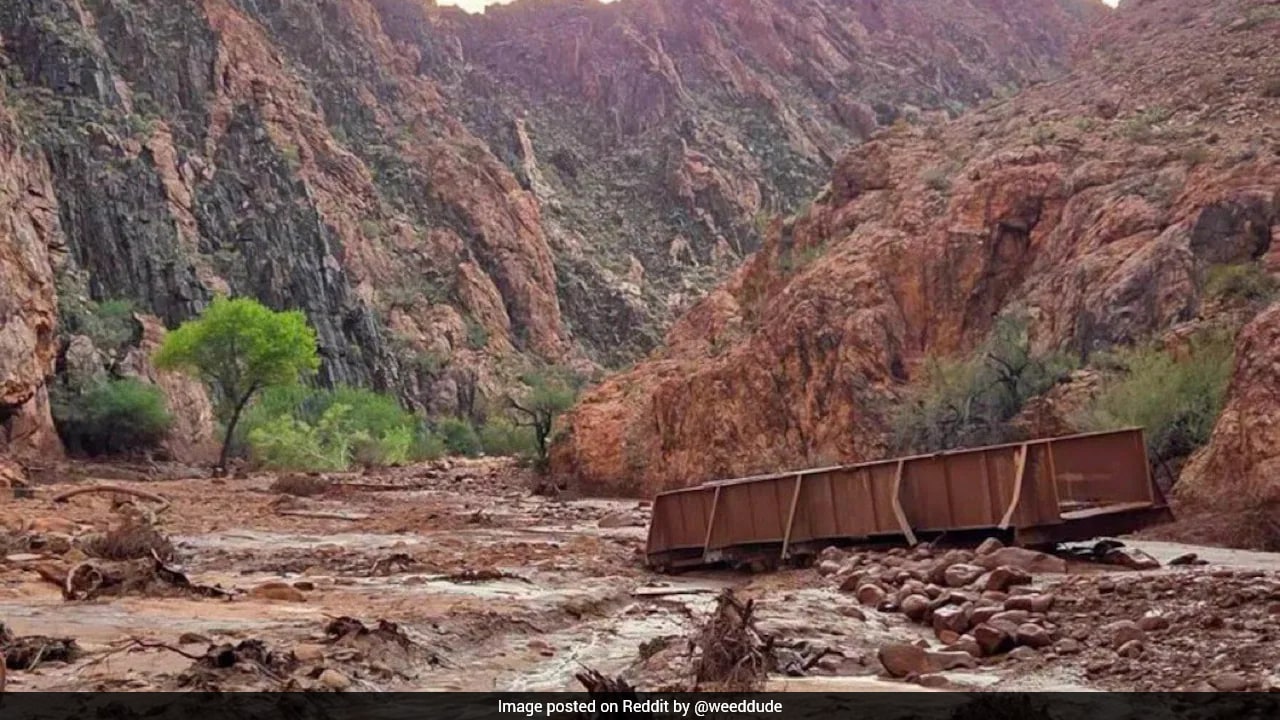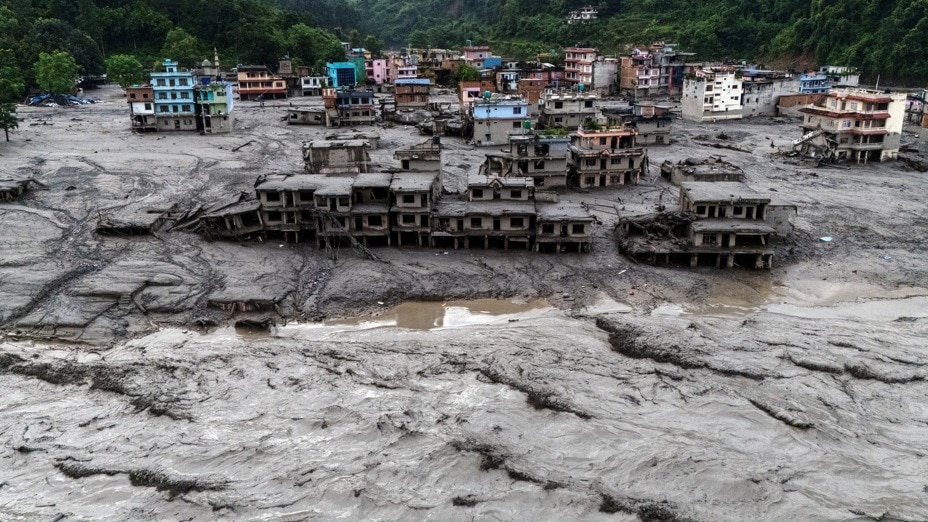
Months before the devastating flash floods hit the Nepal-Tibet border, Kathmandu sought critical glacier movement data from Beijing. The failure to establish a robust real-time warning system has intensified calls for better cross-border cooperation.
- A massive glacier collapse on August 26 caused flash floods, killing over 800 people in Nepal and Tibet.
- Nepal had requested detailed glacier and hazard data from China months prior to the disaster.
- China maintains it shared information 'timely,' while Nepal claims the data lacked critical specifics like water levels and landslides.
- Nepal is now seeking a data-sharing model similar to its arrangement with India.
The devastating flash floods that ravaged the Nepal-Tibet border have brought to light a critical gap in transboundary disaster management. Investigations reveal that months before the catastrophic event on August 26, Nepali officials had met with Chinese representatives in Kathmandu to urge for more granular data regarding glacier movements and potential hazards.
During a meeting in late May, officials from both nations discussed cooperation on weather and glacial risks. However, according to Sauhardra Joshi, a hydrologist at Nepal’s Flood Forecasting Division, the level of detail provided by China was insufficient to prepare for the specific type of disaster that eventually struck. The disaster saw a massive surge of water, mud, and debris that claimed over 800 lives and left thousands missing.
Why This Matters
BozokMedia analysis shows that as climate change accelerates glacial melting in the Himalayas, the absence of a synchronized, high-frequency data-sharing mechanism poses a lethal threat to downstream populations. The friction between diplomatic rhetoric regarding 'substantial progress' and the ground reality of missing early warnings highlights a systemic failure in regional disaster mitigation.
Nepal needs glacier-related information every 10 minutes, rather than just receiving heavy-precipitation forecasts.
China has officially rejected claims of negligence, with its embassy in Nepal stating that information was shared in a 'timely manner.' While China did provide heavy-rain forecasts via WeChat and email, Nepali hydrologists like Binod Parajuli argue that these warnings lacked the essential metrics—such as avalanche risks, landslide potential, and specific river water levels—needed for effective evacuation.
Historical Background: This is not an isolated incident. Last year, a glacial lake outburst flood (GLOF) in Tibet caused significant loss of life in Nepal, underscoring the recurring danger of unmonitored glacial lakes. The geopolitical complexity of the Himalayan region often complicates the sharing of sensitive hydrological data, even in the face of humanitarian crises.
| Data Type | Current Chinese Provision | Nepal's Requirement |
|---|---|---|
| Primary Focus | Heavy precipitation forecasts | Glacier movement & water levels |
| Frequency | Periodic (Email/WeChat) | Real-time (Every 10 minutes) |
| Scope | General weather trends | Cascading hazards (Landslides/Avalanches) |
Frequently Asked Questions
1. What was the main cause of the Nepal flash floods?
The disaster was triggered by a sudden glacier collapse, which unleashed a massive torrent of water, mud, and rock.
2. How does Nepal plan to improve its warning system?
Nepal intends to propose a data-sharing agreement with China modeled after its successful arrangement with India, focusing on high-frequency updates.