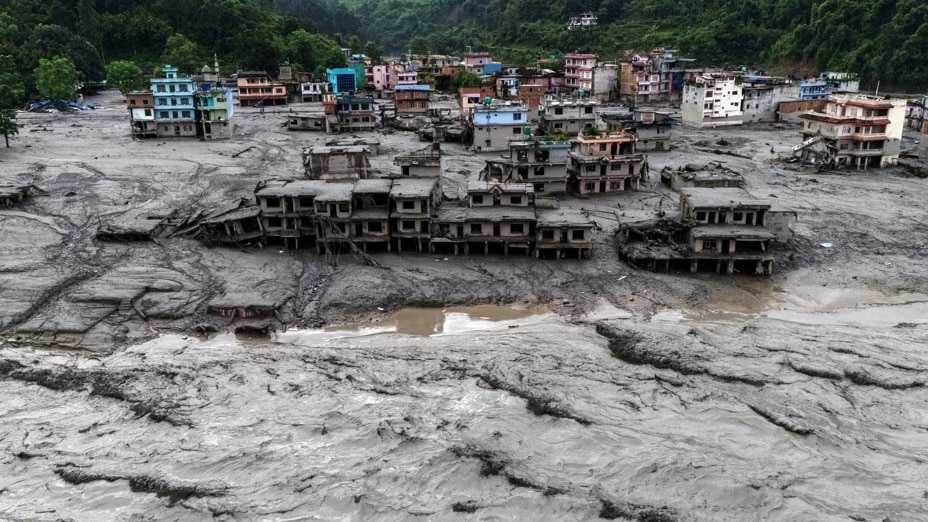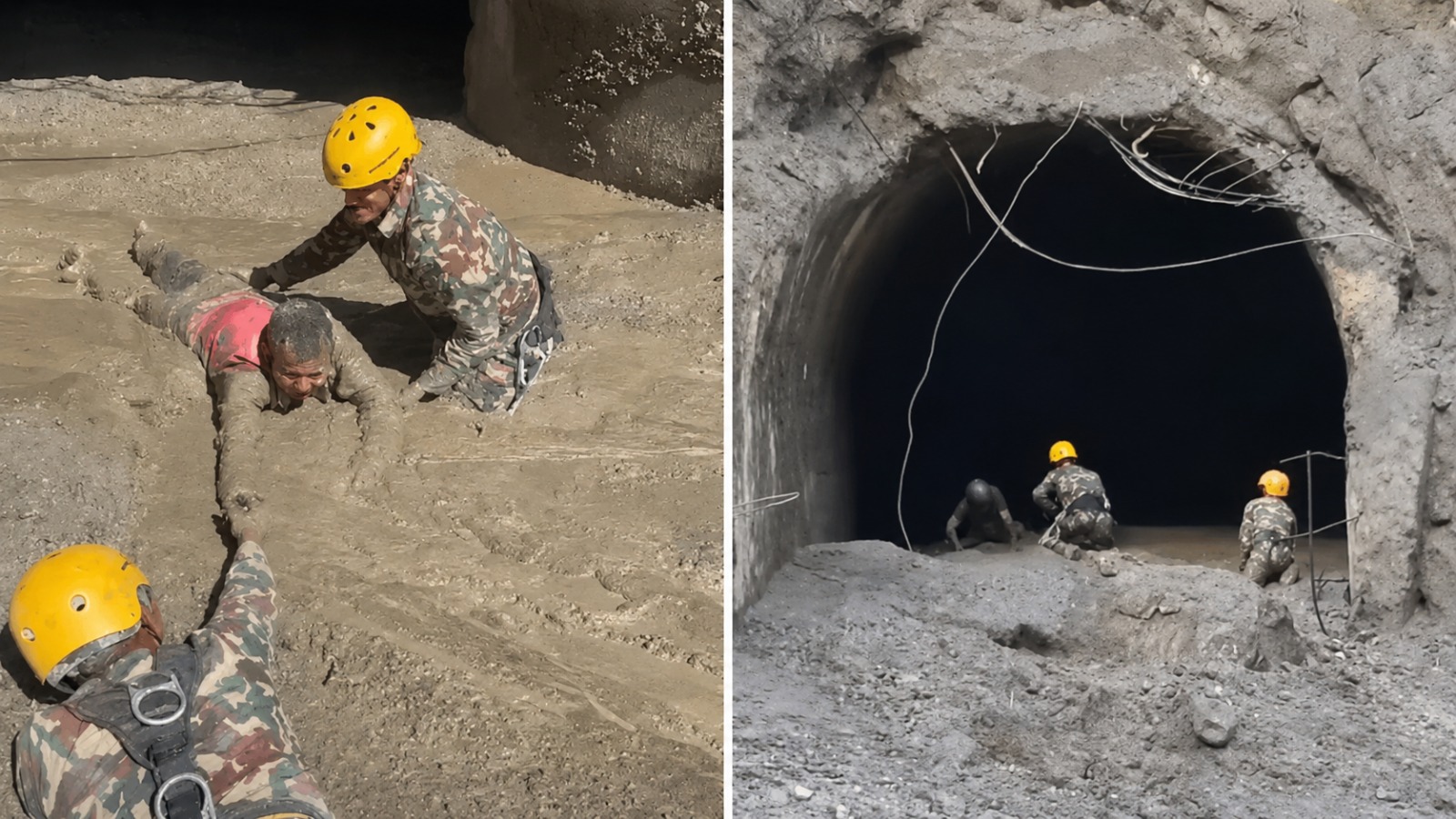
A catastrophic flash flood in Nepal has left an estimated 933 workers trapped in hydropower tunnels across the Bhotekoshi-Trishuli corridor. International experts from India and China are joining the race against time to rescue survivors.
- Approximately 933 workers are trapped or missing across 11 hydropower projects in Nepal.
- The Upper Trishuli-1 project is the hardest hit, with 576 people missing.
- Rescue efforts are being supported by tunnel experts from India and China.
- The disaster was likely triggered by an ice-rock avalanche in the northern mountainous region.
A devastating flash flood that ripped through the Bhotekoshi-Trishuli river corridor on August 26 has triggered one of Nepal's worst industrial disasters. An estimated 933 people are currently trapped in tunnels beneath 11 hydropower electric projects, primarily located in the Rasuwa and Nuwakot districts near the Tibetan border. Authorities fear that many are buried under massive deposits of silt and boulders or were swept downstream by the torrents.
The scale of the tragedy is most evident at the Upper Trishuli-1 project, a Korea-led venture involving Doosan and KOEN, where 576 workers are reported missing. Other heavily impacted sites include the Upper Trishuli-3B facility with 122 missing and the Rasuwagadhi project with 93. The rescue operation has turned into a macabre race against time as the window for survival narrows.
BozokMedia analysis shows that this disaster highlights a critical failure in risk assessment for high-altitude infrastructure. The reliance on deep-tunneling in geologically unstable Himalayan terrain creates inherent vulnerabilities. This event serves as a global warning that 'green energy' projects like hydropower must not bypass stringent geological safety audits, or they risk becoming mass graves during extreme weather events.
| Project Name | Approx. Missing | Context/Notes |
|---|---|---|
| Upper Trishuli-1 | 576 | Largest cluster; Korea-led project |
| Upper Trishuli-3B | 122 | Major construction workforce |
| Rasuwagadhi | 93 | Significant site damage |
| Upper Trishuli-3A | 42 | Rasuwa/Nuwakot cascade |
The logistics of the rescue are nightmarish. Walls of mud and boulders have caused massive cave-ins, sealing the shafts. Army spokesperson Raja Ram Basnet emphasized that the primary goal is opening the tunnels. To assist, China has deployed four tunnel rescue experts via Y-20 transport aircraft, while Indian experts are providing critical technical support on the ground.
"The structural collapse of these tunnels means rescuers are fighting both nature and gravity to reach those still breathing beneath the debris."
Nepal's Prime Minister Balendra Shah, who took office following a student-led uprising, has termed the event an 'unprecedented and devastating natural disaster.' He has issued an urgent plea for international aid as the death toll continues to climb, with over 900 lives already confirmed lost across the region.
1. What caused the flash floods in Nepal?
The floods were likely triggered by an ice-rock avalanche in the northern mountainous district, which sent a surge of water and debris down the Bhotekoshi-Trishuli corridor.
2. Which project has the highest number of missing workers?
The Upper Trishuli-1 project, led by Korean firms, has the highest number of missing persons, estimated at 576.