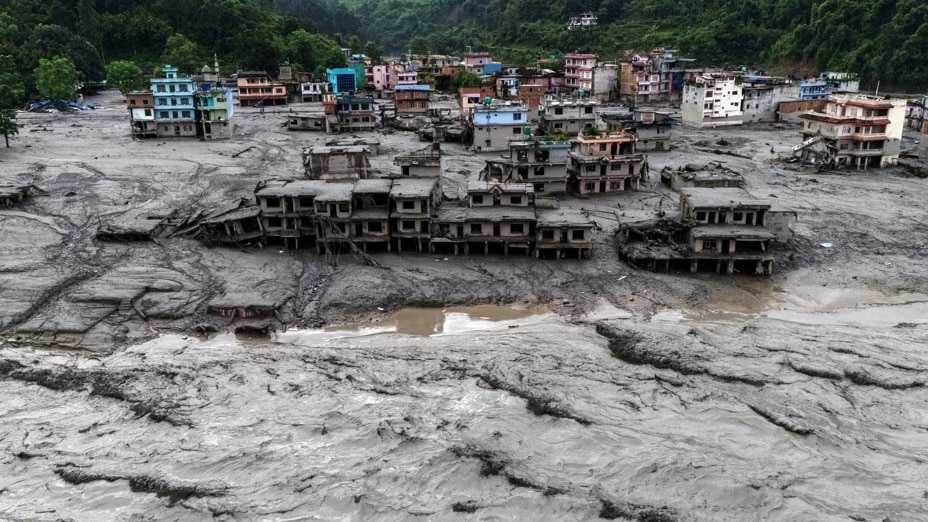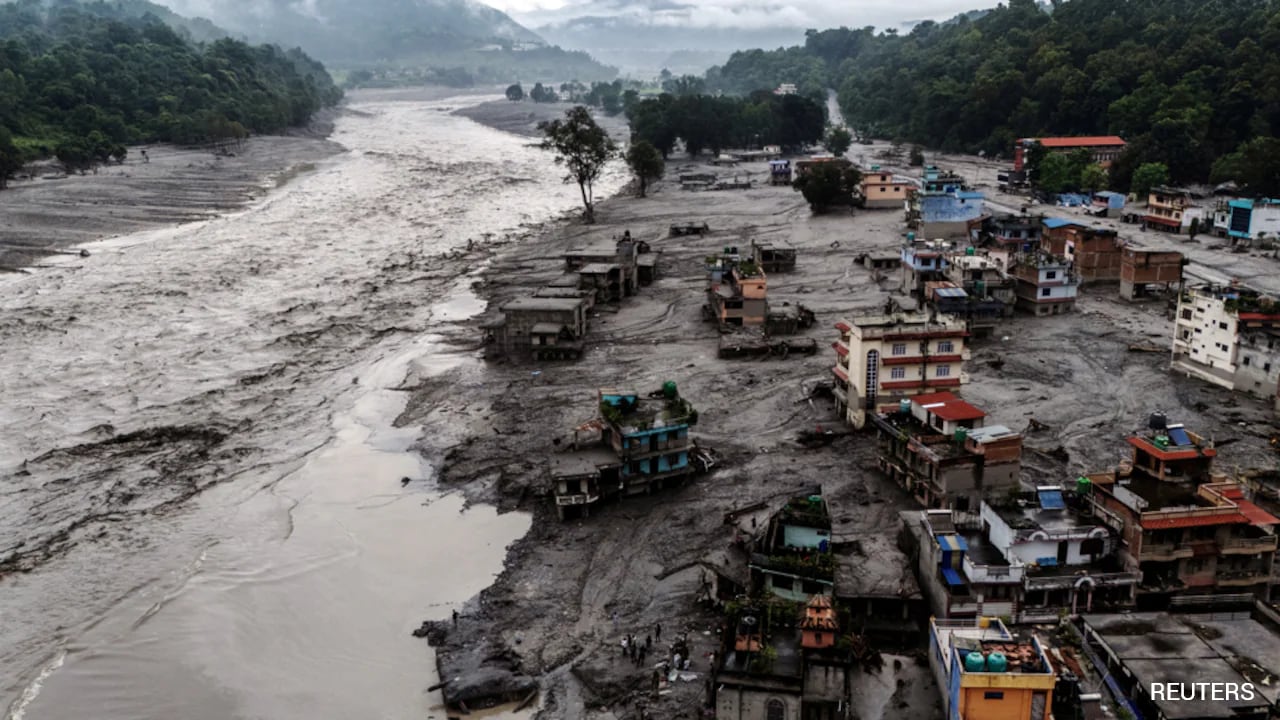
Documents reveal Nepal requested urgent early warnings from China before devastating floods. While China claims timely sharing, leaked emails suggest a complex timeline of alerts.
- China's World Meteorological Centre forecasted a monsoon depression for August 14-19.
- Nepal had formally requested early warnings 12 days prior to the disaster.
- A discrepancy exists between China's claim of 'timely' sharing and the actual impact on the ground.
In the wake of catastrophic flooding and landslides that ravaged Nepal, a critical debate has emerged regarding the efficacy of international early warning systems. According to internal communications seen by Reuters, the World Meteorological Centre in China had alerted Nepali officials via email approximately twelve days before the disaster struck.
The correspondence specifically highlighted that a 'monsoon depression' was forecast for the region between August 14 and August 19. In meteorological terms, such depressions are precursors to extreme precipitation events, which often trigger flash floods in the steep terrains of the Himalayas.
Why This Matters
BozokMedia analysis shows that the reliance of downstream nations like Nepal on upstream data from China creates a strategic vulnerability. When warnings are delivered via standard email rather than integrated, real-time automated systems, the window for evacuation and emergency response shrinks significantly. This incident underscores the urgent need for a transparent, multilateral framework for hydrological data exchange in South Asia.
"The gap between receiving a forecast and executing an evacuation is where the highest casualties occur in monsoon disasters."
Historically, the relationship between Kathmandu and Beijing has been characterized by a cautious exchange of hydrological data. While China maintains that it has shared vital information "in a timely manner," the scale of the devastation suggests that either the warnings were insufficient or the local response mechanism failed to translate the data into action.
The incident further highlights the broader challenge of climate change in the Hindu Kush Himalayan region, where weather patterns are becoming increasingly erratic, making traditional forecasting models less reliable and the need for precision data more critical than ever.
Frequently Asked Questions
Q1: What was the specific warning sent by China?
China warned of a monsoon depression occurring between August 14 and 19.
Q2: Why is the timing of the warning controversial?
Because despite the 12-day lead time, the disaster caused significant loss, raising questions about the quality and timeliness of the shared data.