Prime Minister Narendra Modi advocated for diplomacy over war in meetings with leaders of Russia and Iran in Bishkek, while Nepal faces a humanitarian crisis with 903 dead in catastrophic floods.
- PM Modi urged Vladimir Putin to transition from 'endless war to the end of war'.
- Advocated for dialogue and diplomacy with Iranian President Masoud Pezeshkian.
- Nepal flood death toll reaches 903, with over 4,200 people still missing.
- Sadhguru proposes a five-nation Himalayan Board for disaster cooperation.
In a series of high-stakes diplomatic engagements in Bishkek, Prime Minister Narendra Modi has positioned India as a voice of reason amidst global volatility. Addressing Russian President Vladimir Putin, PM Modi emphasized that a peaceful resolution to the Russia-Ukraine conflict is not just a political necessity but a shared priority for all of humanity.
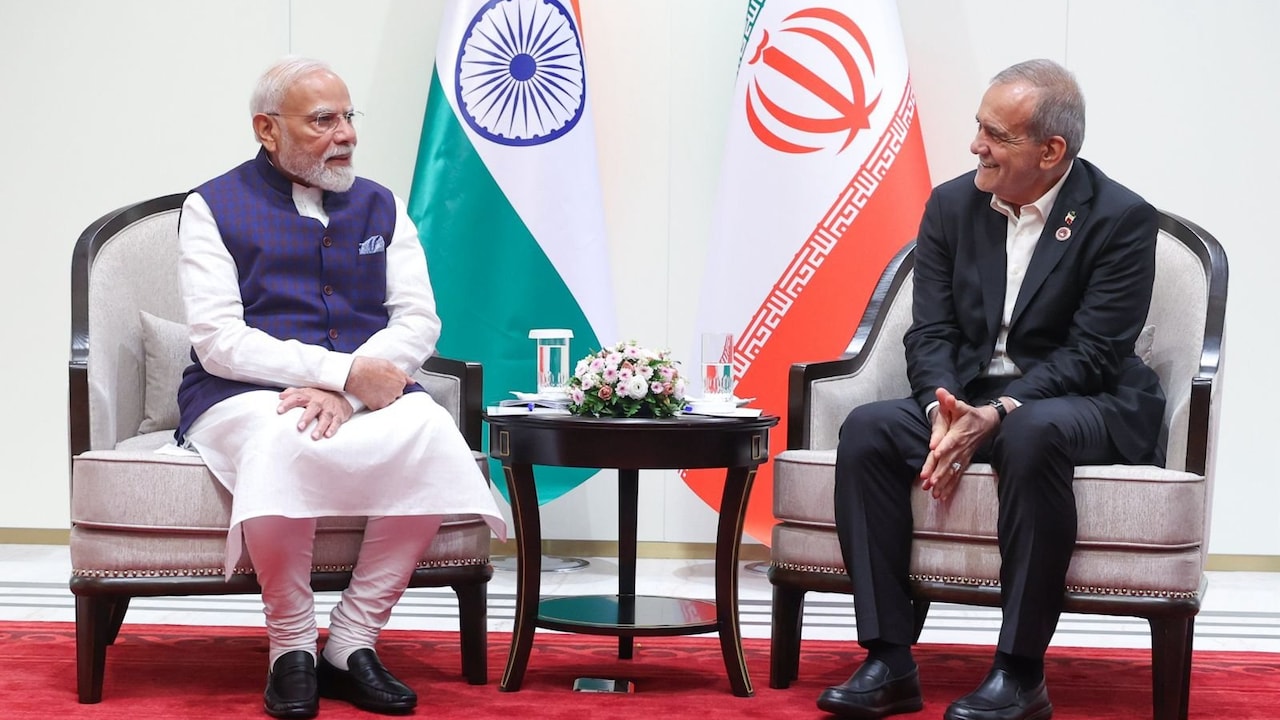
Expanding his diplomatic reach, the Prime Minister met with Iranian President Masoud Pezeshkian. Modi stressed that the escalating crisis in West Asia must be mitigated through structured dialogue and diplomacy. Beyond security, India expressed a keen interest in diversifying and expanding its trade portfolio with Iran, signaling a desire for deeper economic ties despite regional tensions.
Why This Matters
BozokMedia analysis shows that India is strategically leveraging its non-aligned legacy to act as a bridge between conflicting superpowers. By engaging both the Kremlin and Tehran simultaneously, New Delhi is asserting its role as a 'Vishwa Mitra' (Friend of the World), capable of navigating complex geopolitical fault lines to promote global stability.
"India's diplomatic agility in Bishkek underscores its transition from a regional player to a global mediator."
While diplomacy unfolded in Kyrgyzstan, a tragedy of immense proportions continued to unfold in Nepal. The death toll from recent flash floods has surged to 903, with 4,247 people still missing. Scientific assessments indicate that the disaster was triggered by massive ice and rock falls in the high Himalayas, rather than a typical glacial lake outburst flood (GLOF) or earthquake.
The rescue operations in Nepal have been marred by critical shortages. Authorities have reported a lack of specialized tunnel rescue equipment, forensic tools, and even basic supplies like body bags and helicopters. This has severely hampered efforts to locate 933 missing workers trapped at hydropower project sites, particularly around the Mailung project in Rasuwa.
The geopolitical dimension of the disaster emerged when China rejected allegations that its hydropower projects in Tibet contributed to the August 26 floods, labeling such claims as "malicious speculation." Despite this, Beijing has pledged USD 2.2 million in financial aid to assist the victims.
Adding a strategic layer to the crisis, spiritual leader Sadhguru has proposed the creation of a five-nation Himalayan Board—comprising India, China, Pakistan, Nepal, and Bhutan. Such a body would facilitate better intelligence sharing and disaster response in one of the world's most fragile ecological zones.
Frequently Asked Questions
1. What caused the devastating floods in Nepal?
Experts state the floods were caused by a massive fall of ice and rock in the high Himalayas, leading to sudden flash floods.
2. What was the core message of PM Modi to President Putin?
PM Modi urged President Putin to move from an 'endless war' toward the 'end of war' through immediate peaceful resolution.