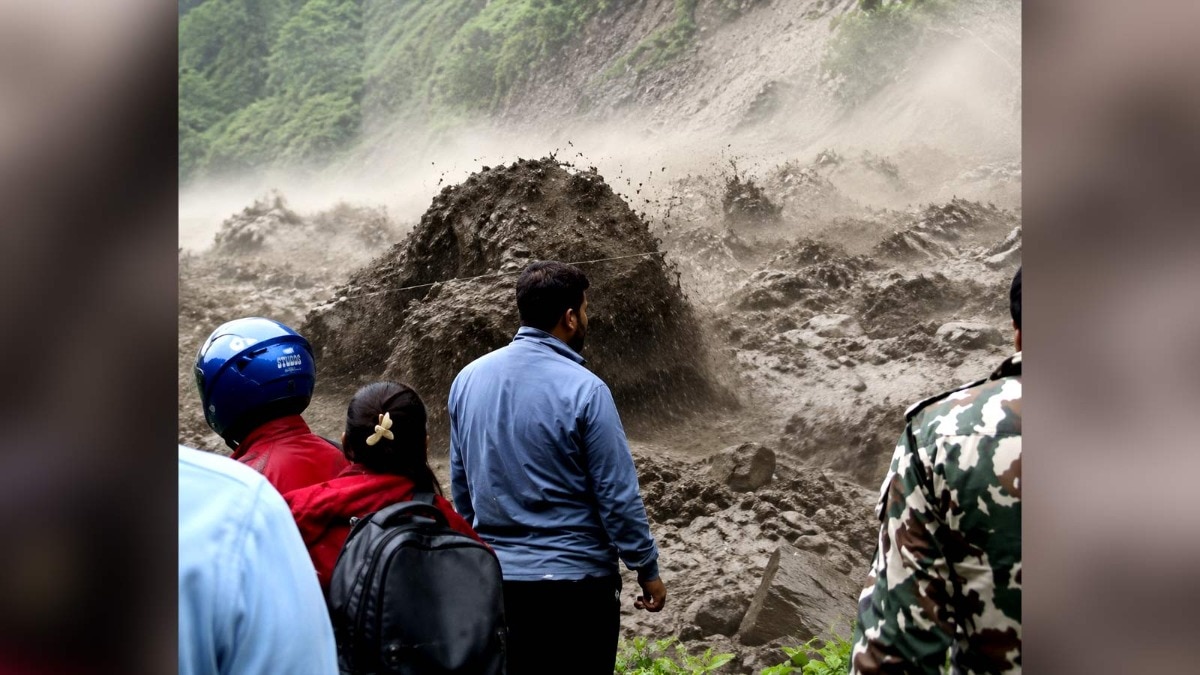
A dramatic video has emerged from Nepal showing a man filming a sudden, violent flash flood before being forced to flee for his life. The dropped phone miraculously continued to record, capturing the raw power and devastation of the raging waters.
- A dramatic video captures a man filming a flash flood in Nepal, only to flee as the waters surge.
- The recording device continued to capture the chaotic sounds and visuals of the disaster after being dropped.
- Nepal has been heavily hit by severe monsoon floods, leading to massive infrastructure damage and loss of lives.
A gripping and terrifying video has surfaced online, capturing the sheer unpredictability and violence of nature during the ongoing monsoon crisis in Nepal. The footage, which has since gone viral across multiple social media platforms, shows an unidentified man standing near a riverbank, filming the swelling waters. Within seconds, the situation turns catastrophic as a massive wall of water surges forward, forcing the cameraman to drop his device and run for his life.
The video begins with a deceptive calm, showing muddy waters churning rapidly. However, the volume and speed of the river escalate at an alarming rate. As debris begins to crash against the banks, the videographer realizes the imminent danger. The camera shakes violently as he turns to flee. Although the man managed to escape to higher ground, his phone fell into the mud, continuing to record the horrifying auditory and visual chaos of the flash flood sweeping over the area.
Nepal is highly susceptible to severe flooding and landslides, particularly during the annual monsoon season which typically spans from June to September. In recent years, the intensity of these weather events has escalated dramatically. Environmental scientists point to rapid climate change in the Hindu Kush-Himalaya region as a primary driver, causing erratic rainfall patterns and accelerated glacial melt. This specific incident highlights the immediate, life-threatening dangers faced by local residents who often have only seconds to react to flash floods.
Why This Matters
A BozokMedia analysis shows that the frequency of sudden flash floods in South Asia has risen by nearly 30% over the last decade. This viral video is not just a sensational piece of internet media; it serves as a stark, real-time warning of how quickly climate-induced disasters can escalate. It underscores the critical need for advanced early warning systems and better community preparedness in vulnerable mountainous terrains.
"The rapid onset of Himalayan flash floods leaves virtually zero margin for error. Visual evidence like this underscores the urgent need for real-time monitoring and localized disaster sirens." - Dr. Arpita Sharma, Climate Resilience Specialist.
To understand the scale of the monsoon impact, it is essential to look at the comparative data of seasonal rainfall and casualties over recent years. The table below illustrates the growing severity of monsoon-related disasters in Nepal.
| Year | Average Monsoon Rainfall (mm) | Displaced Families | Severity Index |
|---|---|---|---|
| 2021 | 1,350 | 12,000+ | Moderate |
| 2022 | 1,420 | 15,500+ | High |
| 2023 | 1,510 | 18,000+ | Severe |
| 2024 (YTD) | 1,650 | 22,000+ | Critical |
Local authorities in Nepal have repeatedly warned citizens and tourists against approaching swollen rivers during heavy downpours. The viral video has prompted fresh calls from safety advocates for stricter enforcement of restricted zones near active floodways. Emergency response teams have utilized the footage to demonstrate the rapid progression of flash floods, hoping to educate the public on the necessity of immediate evacuation over attempting to document the events for social media.
Frequently Asked Questions
Q1: What should you do if caught in a sudden flash flood?
A1: Immediately move to higher ground. Avoid walking or driving through floodwaters, as even six inches of moving water can knock you off your feet or sweep a vehicle away.
Q2: Why are floods in Nepal becoming more severe?
A2: Climate change has led to warmer temperatures in the Himalayas, resulting in unpredictable, heavy cloudbursts and rapid glacial melting, which significantly increases river volumes.