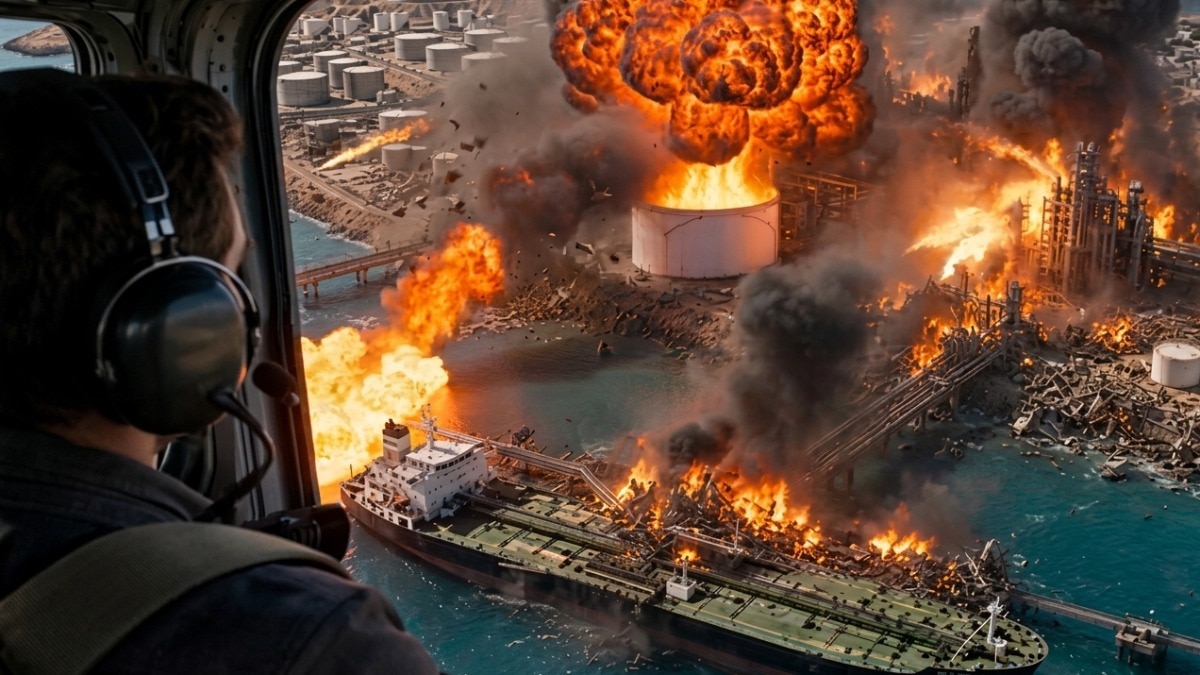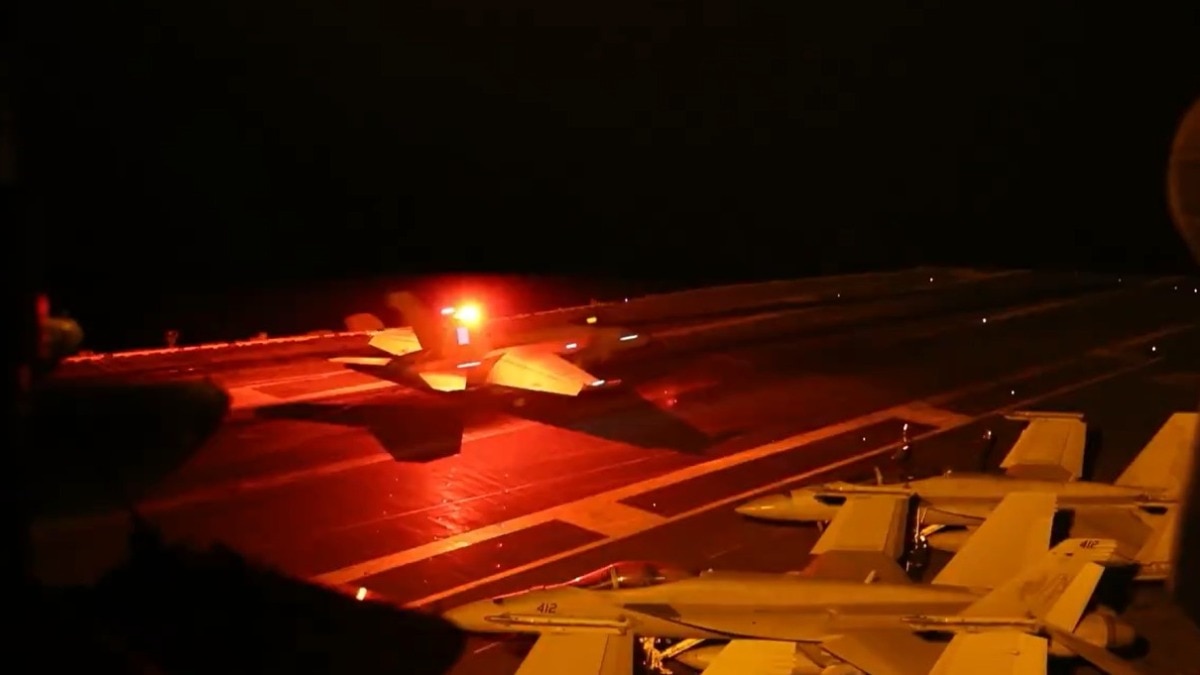
Recent military movements in the Strait of Hormuz have escalated tensions between the United States and Iran. As Washington deploys strategic assets to protect global shipping lanes, we analyze the strategic importance of Iran's disputed islands and the potential for a wider maritime conflict.
- Increased US naval and air presence in the Strait of Hormuz aims to counter Iranian provocations.
- Strategic significance of Iranian-controlled islands like Abu Musa and the Tunbs poses a threat to global oil choke points.
- The geopolitical fallout of a potential direct military confrontation could severely impact global energy markets.
The Strait of Hormuz, through which nearly a fifth of the world's oil passes, is once again at the center of geopolitical friction. Recent reports of US military exercises and targeted deterrence maneuvers near Iranian-held islands have sent shockwaves through global energy markets. The presence of gunpowder in Hormuz represents a direct threat to international commercial shipping.
Iran's Islamic Revolutionary Guard Corps (IRGC) has heavily militarized key islands in the strait, including Abu Musa, Greater Tunb, and Lesser Tunb. These outposts have been equipped with advanced anti-ship missiles, suicide drones, and fast attack boats. According to intelligence reports, these islands serve as staging grounds for Iranian forces attempting to seize or disrupt international oil tankers.
In response, the United States has deployed elite military assets to the region, including F-35 Lightning II fighters, A-10 Thunderbolt II attack aircraft, and guided-missile destroyers. US forces have conducted live-fire drills and mock bombing runs near these strategic choke points to demonstrate readiness and send a clear deterrent signal to Tehran.
Why This Matters
BozokMedia analysis shows that any disruption in the Strait of Hormuz could instantly spike global oil prices by 20% to 30%, triggering a worldwide inflationary wave. The US deployment of advanced aircraft and naval destroyers is not just a show of force, but a calculated defensive umbrella designed to reassure international maritime trade partners and maintain open sea lanes.
| Strategy Metric | United States Navy | Iran (IRGC Navy) |
|---|---|---|
| Primary Goal | Sea control and protection of global trade routes | Asymmetric maritime denial and strategic leverage |
| Key Assets | Aircraft carriers, destroyers, F-35 fighter jets | Fast attack boats, naval mines, suicide drones |
| Strategic Footprint | Global coalition, Bahrain-based 5th Fleet | Localized military garrisons on Hormuz islands |
"The militarization of Hormuz islands by Iran turns a natural choke point into a geopolitical trigger. The US actions are a high-stakes gamble to maintain open seas without sparking an outright regional war."
Frequently Asked Questions
Q1: Why is the Strait of Hormuz so critical to global trade?
A1: It is the world's most important oil transit choke point, connecting major Middle East crude producers with key markets in Asia, Europe, and North America.
Q2: Which islands does Iran control in the Strait of Hormuz?
A2: Iran controls several strategic islands, including Abu Musa, Greater Tunb, and Lesser Tunb, which are also historically claimed by the United Arab Emirates (UAE).