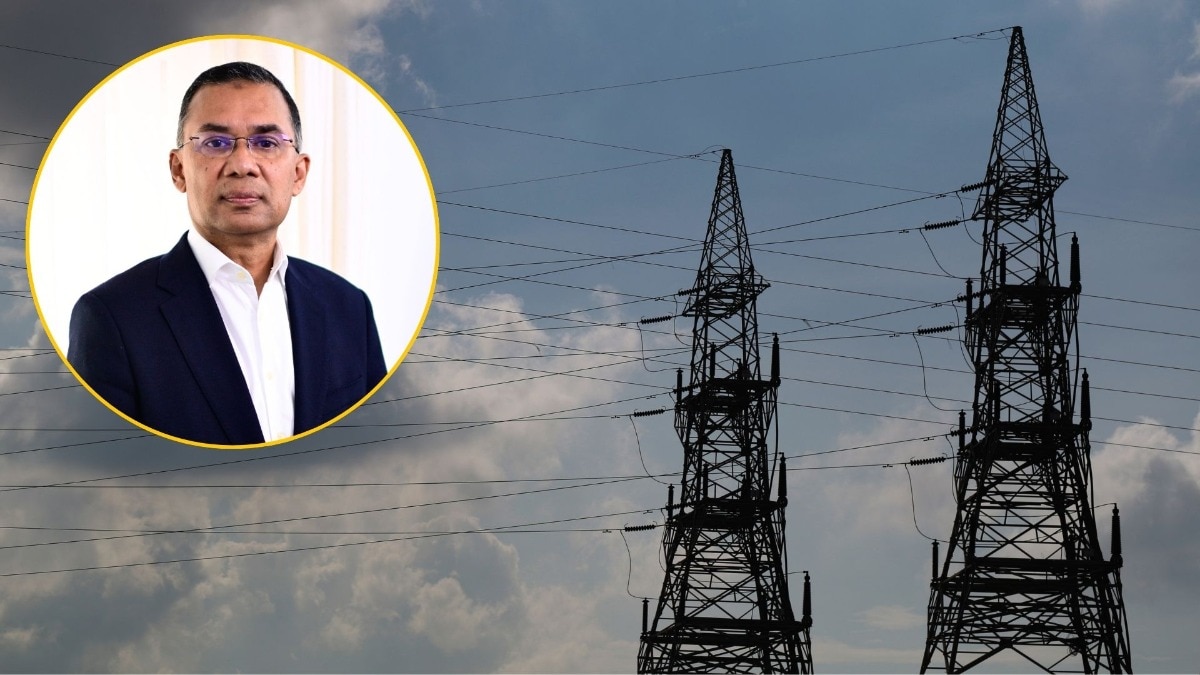
In a striking contradiction, the Bangladesh government is objecting to a marginal service fee increase by India while preparing to purchase waste-to-energy power from a Chinese firm at rates 127% higher than Indian imports.
- Bangladesh protested India's proposed ₹0.01 per-unit SNA charge, which was subsequently halved to ₹0.005.
- Dhaka is set to pay 25 Taka per unit for Chinese waste-to-energy power, compared to ~11 Taka for Indian imports.
- The Chinese project has a small capacity of 42 MW and focuses on waste management in Aminbazar.
- Bangladesh is currently grappling with severe power shortages and public unrest over blackouts.
The energy strategy of Bangladesh is currently defined by a glaring contradiction. Under the government of Tarique Rahman, Dhaka recently raised objections to India's proposed Settlement Nodal Agency (SNA) charge of ₹0.01 per unit for cross-border electricity transactions. This charge, introduced by India's Central Electricity Regulatory Commission (CERC), was intended to cover administrative costs like scheduling and metering, not the cost of electricity itself. Following Bangladesh's protest, India reduced the fee to ₹0.005.
However, this frugality toward India stands in stark contrast to Bangladesh's dealings with China. The government is preparing to purchase electricity from a Chinese company at a rate of 25 Taka per unit. When compared to the average price of electricity imported from India in FY 2025-26 (approximately 11 Taka per unit), the Chinese power is roughly 127% more expensive.
Why This Matters
BozokMedia analysis shows that while the Chinese project is small-scale, the optics are politically sensitive. Bangladesh is battling severe gas supply disruptions and prolonged blackouts that have led to street protests. Paying a premium for electricity during a financial and energy crisis suggests that Dhaka is prioritizing urban waste management over pure energy economics.
"The willingness to pay a massive premium for waste-to-energy projects indicates a desperate need for urban sanitation, even at the cost of energy efficiency."
The project located at the Aminbazar landfill is managed by the Dhaka North City Corporation. With a capacity of 42 MW, the plant aims to convert mounting urban garbage into electricity and organic fertilizer. According to State Minister Mir Shahe Alam, the government will not need to make a direct investment, as the Chinese investor will handle the infrastructure and pay monthly rent to the city corporation.
| Metric | Indian Power (Avg) | Chinese Project (Proposed) |
|---|---|---|
| Cost per Unit | ~11 Taka | 25 Taka |
| Cost Difference (%) | Baseline | +127% |
| Primary Goal | Grid Stability/Supply | Waste Management/Energy |
Historically, India has been a cornerstone of Bangladesh's energy security. In FY25, Indian imports accounted for 15.8% of Bangladesh's total power purchase costs, totaling around Tk 19,225 crore. The shift toward expensive Chinese alternatives, even for niche projects, reflects a broader attempt to diversify energy sources and solve environmental liabilities.
Frequently Asked Questions
Q1: What was the nature of the dispute with India?
The dispute was over a Settlement Nodal Agency (SNA) charge of ₹0.01 per unit for administrative grid services, not the actual price of electricity.
Q2: Why is the Chinese electricity so expensive?
The high cost is attributed to the 'waste-to-energy' nature of the plant, where the primary objective is garbage processing and environmental cleanup rather than cheap power generation.