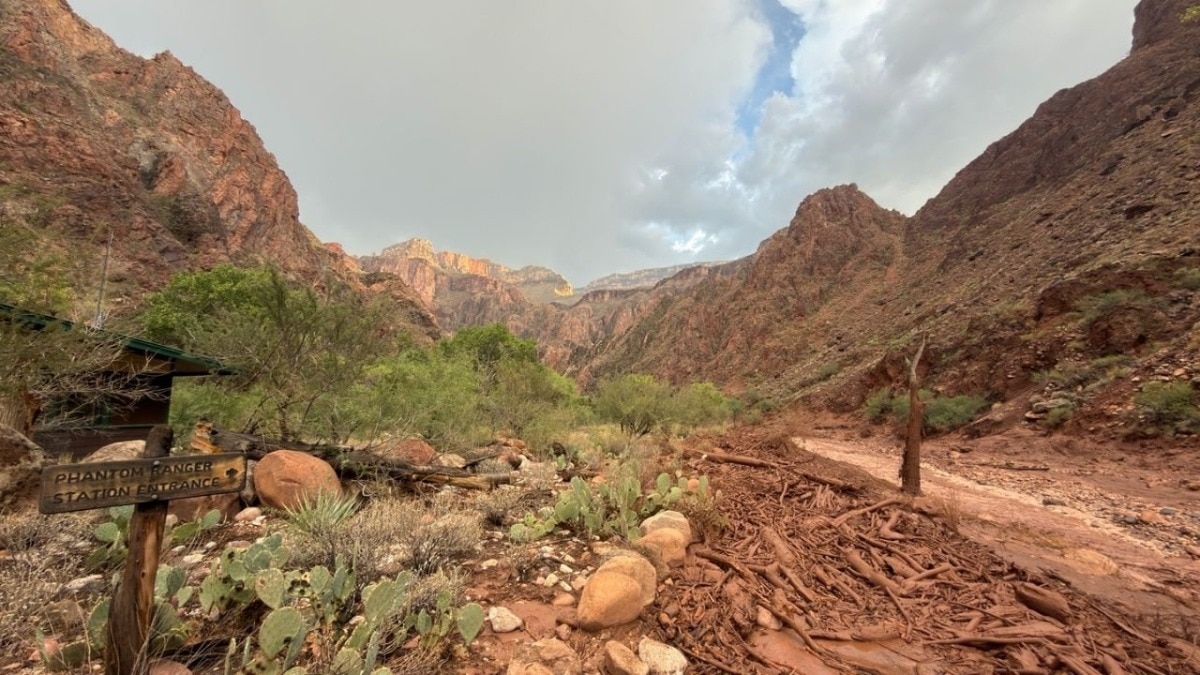
Devastating flash floods in Arizona's Grand Canyon have left two dead and more than 20 people missing. Emergency crews are conducting massive search-and-rescue operations via helicopters as critical infrastructure lies in ruins.
- 2 confirmed dead and over 20 individuals unaccounted for following flash floods.
- 62 hikers evacuated from Phantom Ranch and North Kaibab Trail via helicopters.
- Critical infrastructure, including the Transcanyon Waterline, severely damaged.
A catastrophic flash flood tore through the Grand Canyon in Arizona over the weekend, leaving a trail of destruction and sparking a massive search-and-rescue operation. The National Park Service (NPS) has confirmed the recovery of two bodies, including a 46-year-old man, while officials continue to search for more than 20 people who remain missing after the deluge.
The disaster centered around Bright Angel Creek, a vital artery connecting the park's North Rim to the Colorado River. Heavy Saturday rains triggered a violent torrent of mud, boulders, and debris that swept away hiking trails, footbridges, and essential park infrastructure in a matter of minutes.
Why This Matters
BozokMedia analysis shows that the collapse of the Transcanyon Waterline represents a systemic failure of infrastructure in the face of extreme weather. This incident underscores the urgent need for climate-resilient engineering in national parks, as the loss of water reserves directly impacts both visitor safety and ecological management in these fragile environments.
"The topography of the Grand Canyon amplifies the velocity of flash floods, turning small streams into deadly rivers almost instantaneously."
Survivors described the event as apocalyptic. U.S. Representative David Schweikert, who was rafting in the area, compared the sound of the approaching flood to "a handful of locomotives coming through and smashing boulders." Another visitor, David Gregory, recounted a narrow escape from Phantom Ranch, noting that the bridge he crossed was washed away just 10 minutes later.
The operational impact has been severe. While the South Rim remains open for daytime visits, overnight accommodations and various concessions have been shuttered. The NPS has urged all visitors to avoid flood-stricken areas as additional thunderstorms are forecasted for the early part of the week.
Frequently Asked Questions
1. Which areas of the park are currently closed?
Several hiking trails, lodging areas, and the North Kaibab Trail remain closed to the public.
2. How many people were evacuated?
At least 62 people were evacuated from Phantom Ranch and surrounding areas via helicopter.