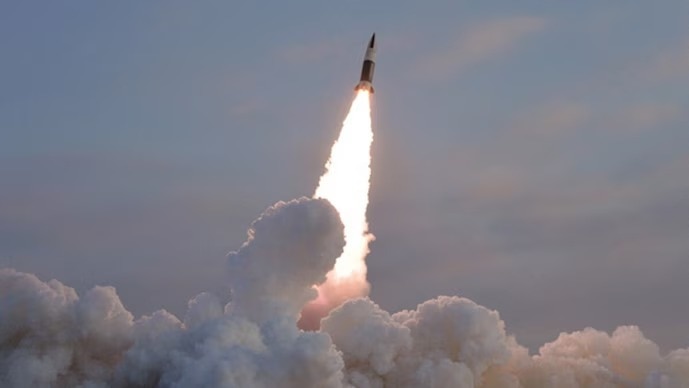
In a dramatic escalation, Iran has launched retaliatory missile and drone strikes following US military operations. The conflict near the Strait of Hormuz threatens global energy stability and risks a wider regional war.
- Iran initiated retaliatory strikes using missiles and drones.
- US forces targeted IRGC positions near the Strait of Hormuz.
- Global oil prices surged following the military escalation.
- Jordan reported rocket interceptions near Mafraq.
The Middle East is on the brink of a major confrontation as Iran has officially commenced a large-scale retaliatory operation against United States interests. Following targeted US strikes, the Islamic Revolutionary Guard Corps (IRGC) deployed missiles and drones, claiming these were necessary responses to what they described as 'indiscriminate' American attacks on civilian and strategic areas.
The tension reached a breaking point when US forces conducted strikes near the Strait of Hormuz, aiming at IRGC installations. In response, Iranian state media reported explosions near Qeshm Island, Jask, and Sirik. US President Donald Trump has maintained a hardline stance, warning via Truth Social that the US is conducting 'large and powerful' operations and will respond with even greater severity to any Iranian provocations.
Why This Matters
BozokMedia analysis shows that this escalation transcends bilateral conflict, posing a direct threat to global energy security. The Strait of Hormuz is a vital artery for the world's oil supply; any disruption there sends immediate shockwaves through international markets, as evidenced by the recent spike in Brent crude futures.
The potential blockade of the Strait of Hormuz by Iran represents a catastrophic risk to the global economy and energy pricing.
The conflict has also spilled over into neighboring Jordan, where sirens were activated in Mafraq following the interception of rockets. This marks the most significant escalation since July, reigniting fears of a prolonged war that could impact domestic politics in the US and energy stability worldwide.
Historical Background
The long-standing geopolitical rivalry between the US and Iran has frequently simmered in the Persian Gulf. However, the recent focus on drone warfare and maritime security in the Strait of Hormuz has elevated the stakes to unprecedented levels in recent years.
Frequently Asked Questions
1. Where did the Iranian strikes occur?
Reports indicate explosions and strikes near Qeshm Island, Jask, Sirik, and a civilian airport in Jiroft.
2. How has the market reacted to this news?
Brent crude futures saw an immediate increase of approximately 2% to 4% following the reports of military engagement.

