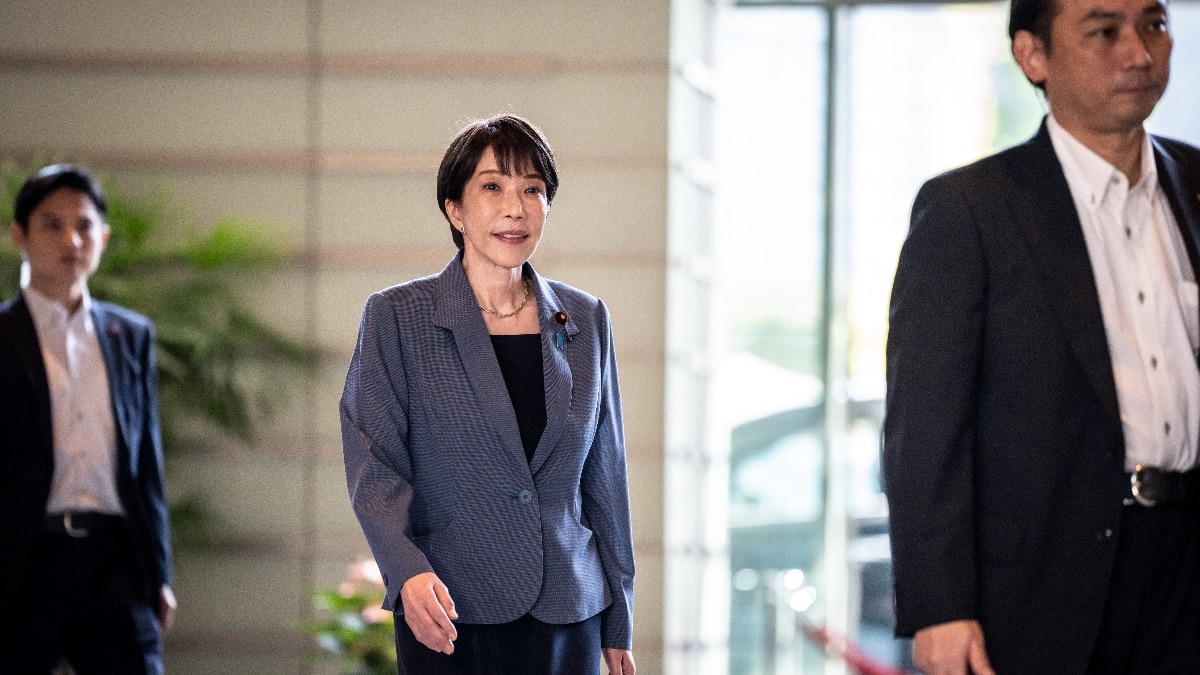
Japan has scaled back its push for companies to limit monthly overtime to 45 hours, a move led by PM Sanae Takaichi that has sparked intense backlash from labor unions.
- Japan has removed the advisory 45-hour monthly overtime cap for businesses.
- PM Sanae Takaichi aims to tackle labor shortages and spur economic activity.
- Labor unions warn of a resurgence in 'Karoshi' (death by overwork).
In a move that signals a potential return to the nation's rigorous work culture, Japan has eased its overtime regulations effective Tuesday. The policy shift comes under the administration of Prime Minister Sanae Takaichi, a self-described workaholic, who has prioritized a growth strategy to revitalize the Japanese economy.
The government's decision follows requests from various business sectors struggling with a deepening labor shortage. According to a May survey by the Japan Chamber of Commerce and Industry, approximately 20% of small and medium-sized enterprises—particularly in construction, transport, and hospitality—felt that the previous 45-hour guidance was restricting their operational capacity.
Why This Matters
BozokMedia analysis shows that this policy reversal creates a tension between economic productivity and social wellbeing. While easing restrictions may provide temporary relief for short-staffed industries, it risks dismantling the progress Japan made in promoting a sustainable work-life balance over the last decade.
"This shift represents a regression in corporate governance, prioritizing short-term output over the long-term mental health of the workforce."
Historically, Japan has been infamous for its 'corporate warriors' and the tragic phenomenon of 'Karoshi', or death from overwork. The country began a systemic shift toward modernization after the 2015 suicide of a 24-year-old employee at the advertising giant Dentsu, which forced the government to implement stricter oversight of working hours.
Currently, about 40% of Japanese firms operate under labor-management agreements that legally permit up to 100 hours of overtime per month. However, the government had previously urged companies to keep this under 45 hours to mitigate health risks. Under the new rules, labor standards inspection offices will no longer pressure firms to adhere to this 45-hour threshold.
The National Confederation of Trade Unions (Zenroren) has condemned the move as an "unacceptable shift." Despite the criticism, the labor ministry maintains that it will continue to monitor companies and provide guidance if excessive work leads to high health risks for employees.
| Feature | Previous Guidance | New Policy |
|---|---|---|
| Overtime Advisory Cap | 45 hours per month | Removed/No pressure |
| Legal Max Limit | 100 hours (via agreements) | 100 hours (Unchanged) |
| Primary Driver | Employee Wellbeing | Economic Growth/Labor Flexibility |
Frequently Asked Questions
1. Does this mean there is no limit on overtime in Japan?
No, there are still legal maximums (often 100 hours under specific agreements), but the government is no longer pushing companies to stay below the 45-hour advisory mark.
2. Which sectors will be most affected by this change?
Industries facing severe staff shortages, such as construction, transport, and hospitality, are expected to utilize this flexibility the most.