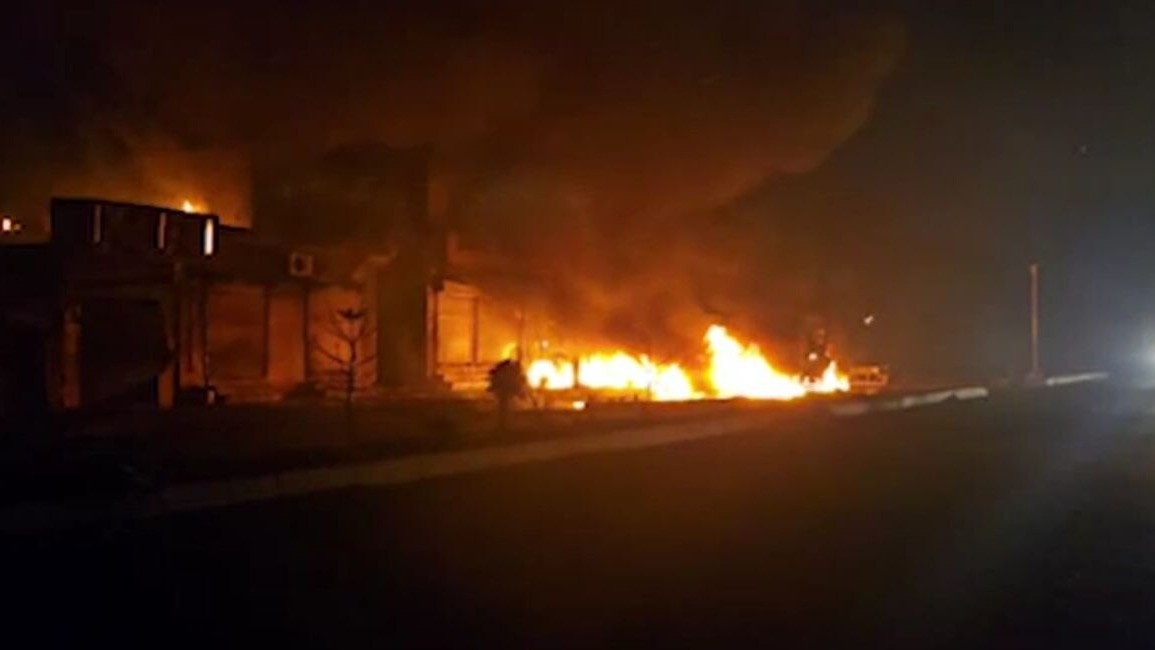
Rescuers in Nepal are racing against time to locate 900 workers missing from 12 hydropower projects after catastrophic glacial floods struck the region.
- Glacial floods have severely damaged 12 major hydropower projects in Nepal.
- At least 900 workers remain missing, while the death toll has surpassed 1,000.
- A massive search operation is underway for approximately 4,000 missing persons.
A massive humanitarian crisis is unfolding in Nepal as rescuers struggle to reach 900 workers who went missing following catastrophic glacial floods. The floods, triggered by melting glaciers, have caused widespread destruction, specifically targeting 12 hydropower projects that are critical to the nation's energy infrastructure.
The scale of the tragedy is immense. Official reports confirm that the death toll has already surpassed 1,000, and the number of people still missing is estimated at around 4,000. The terrain, characterized by steep mountains and raging waters, presents a lethal challenge for the emergency response teams working on the ground.
Why This Matters
BozokMedia analysis shows that this disaster highlights the extreme vulnerability of Nepal's infrastructure to climate-induced events. As the country leans heavily on hydropower for economic growth, the destruction of these plants and the loss of skilled labor represent a significant setback to national development and energy security.
The increasing frequency of Glacial Lake Outburst Floods (GLOF) in the Himalayas is a direct consequence of global warming.
The destruction of 12 hydropower projects is not just a loss of life but a massive economic blow. These projects are the backbone of Nepal's attempt to become a regional energy exporter. The suddenness of the floods left workers with little to no time to evacuate, highlighting a critical need for better early warning systems in high-altitude construction zones.
Historical Background
Nepal's geography, dominated by the Himalayas, makes it naturally prone to landslides and floods. However, the phenomenon of Glacial Lake Outburst Floods (GLOF) has become increasingly common due to rising global temperatures. Historically, such events were rare, but the melting of permafrost and the formation of unstable glacial lakes have made these 'sudden floods' a recurring threat to Himalayan communities and infrastructure.
Frequently Asked Questions
Question 1: How many people are currently missing in Nepal?
Answer: Approximately 4,000 people are reported missing, including 900 workers from hydropower sites.
Question 2: What caused the flooding in the hydropower zones?
Answer: The floods were caused by glacial melting and subsequent glacial lake outbursts.