A catastrophic flash flood in Nepal has claimed over 1,000 lives, pushing mortuaries to their limits. Mass burial sites have been established in Kathmandu as thousands remain missing.
- The official death toll has risen to 1,050.
- Nearly 4,000 people remain missing, including 583 foreigners.
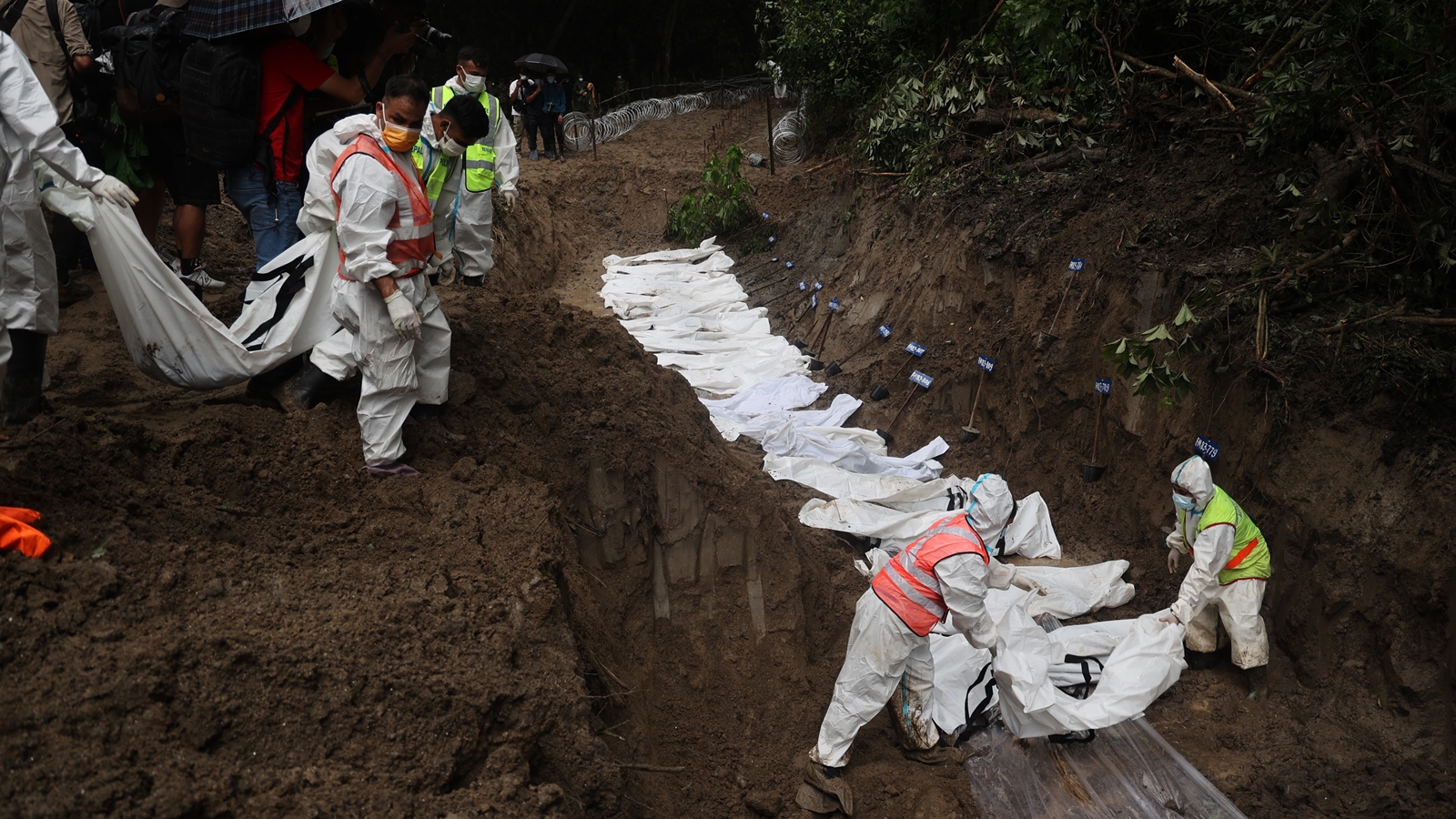
- Mass burials are underway at Gokarna Forest near Kathmandu.
- Rescue efforts are being severely hindered by ongoing rain and landslides.
The scale of devastation caused by the Bhotekosi flash floods in Nepal has reached unprecedented levels. As the death toll officially crossed the 1,050 mark on Tuesday, the nation grapples with a humanitarian crisis that has overwhelmed hospitals and mortuaries across the country.
In Kathmandu, the situation at the Gokarna Forest Resort has become a grim scene of necessity. Due to the sheer volume of unidentified victims, authorities have utilized JCB excavators to dig large pits for mass burials. Approximately 75 bodies were interred in a single session, with batch numbers assigned to each to facilitate future identification efforts.
Why This Matters
BozokMedia analysis shows that the intensity of these flash floods highlights the extreme vulnerability of Himalayan infrastructure to climate-induced weather patterns. The destruction of critical assets, such as the Trishuli Hydro Power station, underscores the massive economic and structural impact of these sudden hydrological shifts.
The sheer scale of the burials in Kathmandu signifies a disaster that has moved beyond emergency response into a state of profound national mourning.
According to the National Disaster Risk Reduction and Management Authority (NDRRMA), the search for the missing continues with high stakes. Approximately 4,000 people are currently missing, a figure that includes 583 foreign nationals and 83 security personnel. While 12,000 people have been successfully rescued, the uncertainty surrounding the missing remains a source of immense grief for families.
Tragedy struck particularly hard in the Nuwakot district, where 24 bodies were recovered from a single shopping arcade in Betrawati. The recovery included women, men, and a child, illustrating the indiscriminate nature of the floodwaters. Ongoing rainfall and landslides continue to complicate rescue operations, making it difficult for teams to reach remote or stranded populations.
Historical Background
Nepal's topography makes it highly susceptible to flash floods and landslides. In recent years, the increasing frequency of extreme weather events in the Hindu Kush Himalayan region has placed immense pressure on the country's disaster management capabilities and rural-urban infrastructure.
Frequently Asked Questions
Question 1: How many people are still missing in Nepal?
Answer: As per the NDRRMA, nearly 4,000 individuals are still unaccounted for.
Question 2: Are there active flood alerts in the country?
Answer: Yes, authorities have issued fresh alerts for Nuwakot and Rasuwa districts due to rising water levels.