A catastrophic flood disaster in Nepal has claimed over 1,000 lives, leaving 4,000 people missing. International rescue teams, including specialists from India and South Korea, are racing against time to save workers trapped in hydropower tunnels.
- Death toll exceeds 1,000 across Nepal and China, with 4,000 still missing in Nepal.
- Indian specialized teams are probing hydropower tunnels at Chilime and Langtang.
- Over 65,000 people urgently require water, sanitation, and hygiene (WASH) support.
- Mental health crisis emerges as the government deploys psychiatrists to Rasuwa and Nuwakot.
The scale of the disaster in Nepal has reached catastrophic proportions. More than a week after devastating flash floods ripped through the northern and central regions, the official death toll has climbed past 1,000. While 11,800 individuals have been successfully rescued, the tragedy is compounded by the fact that approximately 4,000 people remain missing, many of whom are believed to be entombed within collapsed hydropower tunnels.
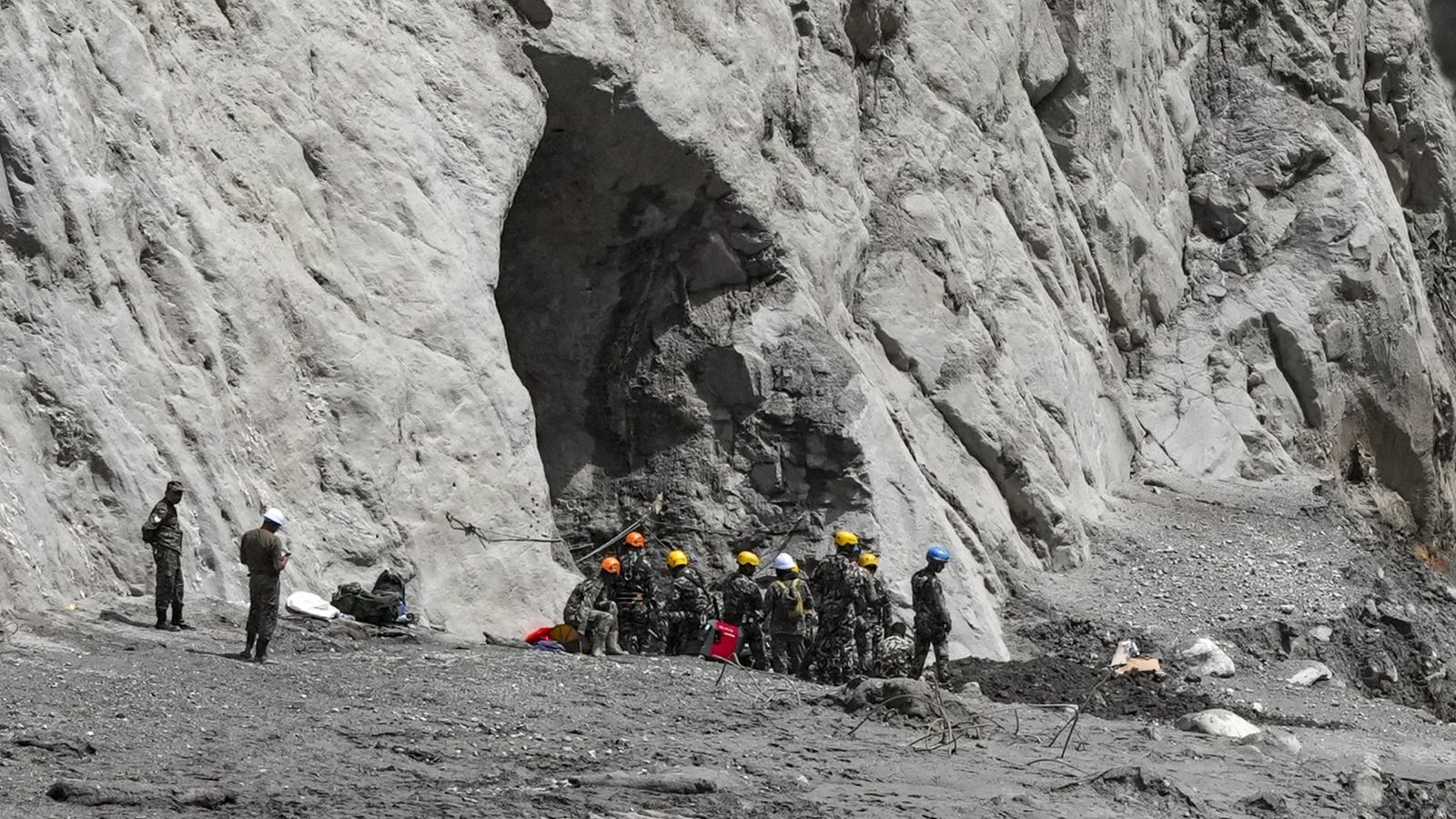
One of the most critical operations is currently centered around the hydropower projects. Around 900 workers from 12 different projects are unaccounted for. India has deployed specialized tunnel-rescue teams that have already established a foothold at the Chilime site and penetrated 185 meters into a tunnel at Langtang. This high-stakes operation is a race against time to find survivors trapped in subterranean voids.
Why This Matters
BozokMedia analysis shows that this disaster highlights the extreme vulnerability of Himalayan infrastructure to climate-induced flash floods. The concentration of hydropower projects in geologically unstable zones creates a 'risk multiplier' effect, where a single weather event can lead to mass casualties among industrial workers and the total severance of community lifelines.
The intersection of glacial lake outbursts and unplanned infrastructure in the Himalayas is turning seasonal rains into existential threats.
The humanitarian crisis is expanding beyond immediate rescue. The United Nations reports that 65,000 people are in desperate need of basic sanitation and clean water. Prime Minister Shah has prioritized the restoration of connectivity, deploying Bailey bridges to reconnect isolated villages in the Rasuwa district, where power has only been restored to 30% of households.
Beyond the physical destruction, a silent crisis of trauma is unfolding. The government has mobilized 50 psychiatrists and 64 counselors to provide Psychological First Aid (PFA). In districts like Nuwakot, children are reportedly suffering from severe nightmares, reflecting the deep psychological scars left by the sudden loss of homes and family members.
International solidarity has been evident, with South Korea dispatching a 44-member emergency relief team via military aircraft to assist in the Rasuwa region. Meanwhile, the tragedy has taken a grim turn in Chitwan, where authorities have been forced to conduct mass burials for hundreds of unidentified bodies that overwhelmed local morgues.
Impact Summary
| Metric | Status/Count |
|---|---|
| Total Deaths | 1,000+ |
| People Missing | ~4,000 |
| Rescued | 11,800+ |
| Urgent WASH Needs | 65,000 people |
Frequently Asked Questions
Q1: Which countries are assisting Nepal in the rescue operations?
India, China, and South Korea have deployed specialized teams, including tunnel experts and firefighters, to assist the Nepalese government.
Q2: What is the current status of the hydropower workers?
About 900 workers are missing across 12 projects, with 500 feared trapped in flooded tunnels; Indian teams are currently probing these sites.