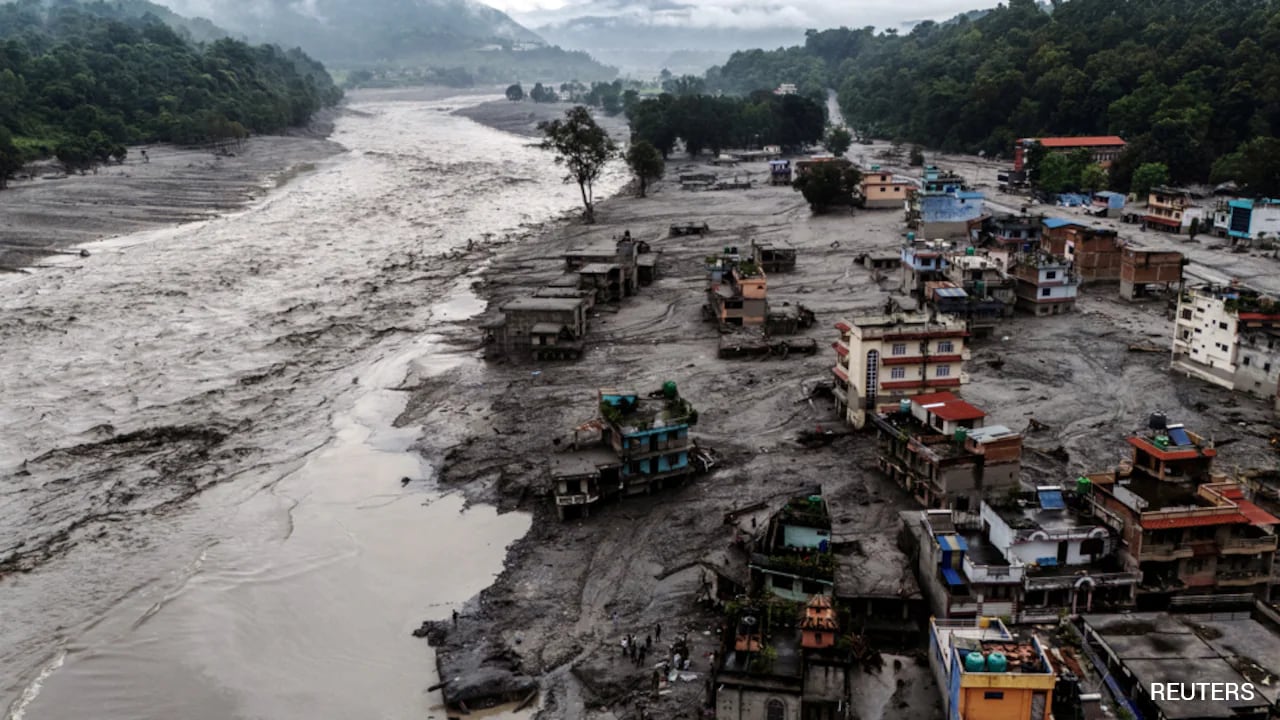
NDTV's Sikta Deo shares a harrowing first-hand account of spending six days in disaster-stricken Nepal, where roads vanished and death loomed over every corner.
- Complete collapse of infrastructure due to severe flooding and landslides in Nepal.
- Massive loss of life and displacement of thousands of residents.
- Critical delays in rescue operations caused by impassable terrain.
When nature unleashed its fury upon the hills of Nepal, it left behind a trail of absolute devastation. Sikta Deo recounts six harrowing days reporting from the epicenter of the disaster. Upon arrival, she discovered that the very roads meant to provide access had vanished, replaced by yawning chasms and mountains of debris.
The situation on the ground was catastrophic. Rescue teams struggled to penetrate the affected zones, leaving survivors in a state of desperate limbo. Local residents described the horror of watching their ancestral homes being swept away by raging torrents in a matter of seconds. The air was thick with the scent of mud and the sounds of grief.
Why This Matters
BozokMedia analysis shows that this disaster highlights the extreme vulnerability of the Himalayan region to climate-induced calamities. The lack of resilient infrastructure in Nepal transforms natural rains into catastrophic floods, emphasizing the urgent need for international cooperation in disaster management and sustainable urban planning in mountain terrains.
"The scale of destruction in Nepal is a stark reminder that the mountains are shifting, and our current infrastructure is woefully inadequate for the new climate reality."
Historically, Nepal has been plagued by earthquakes and floods, but the intensity of recent events suggests a tipping point in ecological stability. Deforestation and unplanned urbanization have significantly increased the frequency and severity of landslides in the region.
Frequently Asked Questions
Q1: What were the primary causes of the floods in Nepal?
A: Intense monsoon rainfall combined with unstable mountain slopes led to catastrophic flooding and widespread landslides.
Q2: What was the biggest obstacle for rescue teams?
A: The complete destruction of road networks and the rugged geography made it nearly impossible to deliver aid to isolated villages.

