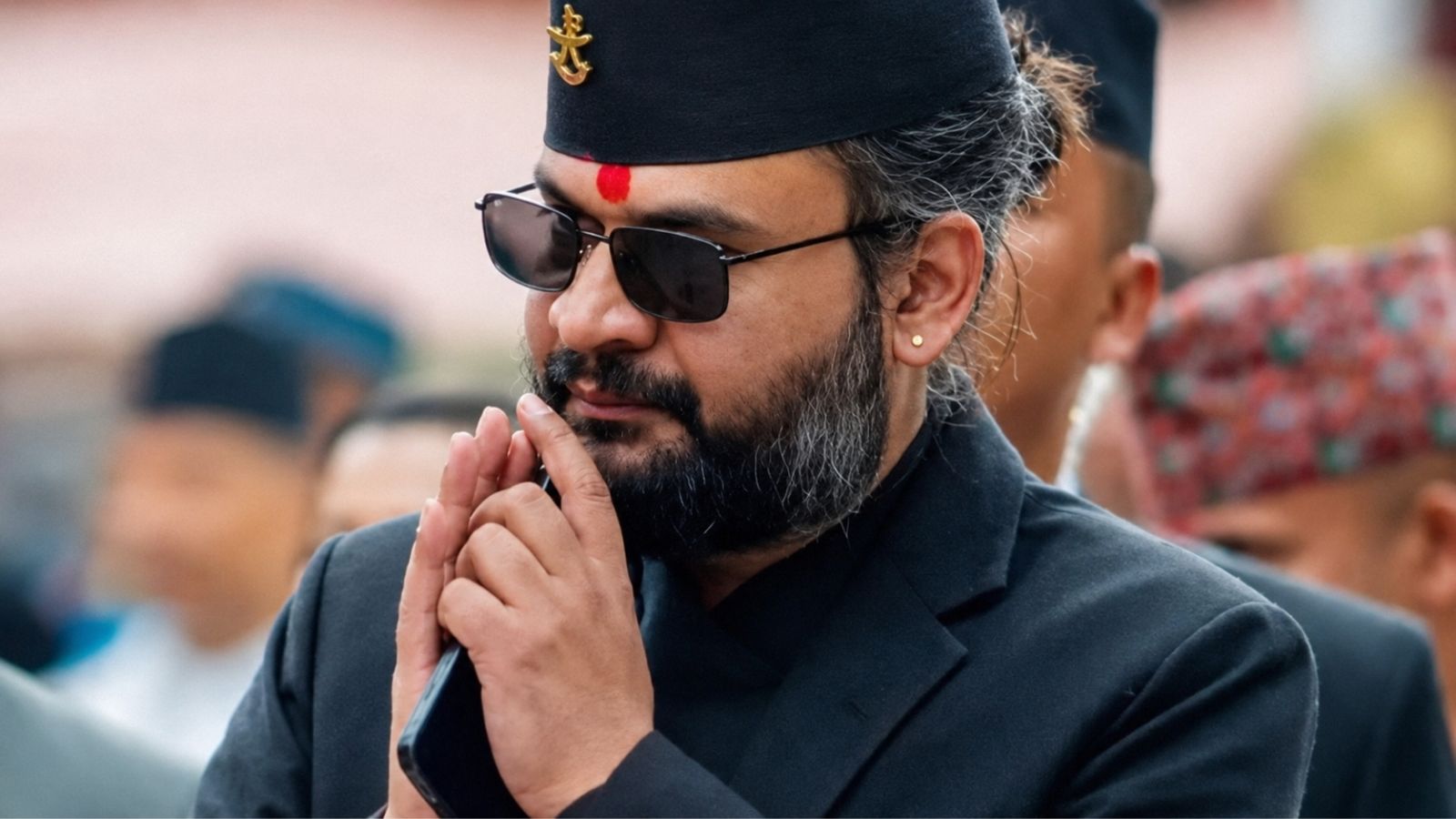
Following devastating floods in Nepal that have claimed over 1,000 lives, Prime Minister Balendra Shah is facing intense calls to lead the nation's delegation to the UN General Assembly to seek urgent international aid.
- Death toll from Nepal floods exceeds 1,000, with 4,000 people still missing.
- PM Balendra Shah is being urged to lobby for climate justice and reconstruction funds at the UNGA.
- International experts from India, China, and South Korea are assisting in rescue and clearing operations.
Prime Minister Balendra Shah is navigating a dual crisis of humanitarian catastrophe and political expectation. Following the deadliest floods in recent history, the ruling Rastriya Swatantra Party (RSP) and high-ranking government officials are exerting significant pressure on the Prime Minister to lead Nepal's delegation to the United Nations General Assembly (UNGA) in New York.
The urgency stems from the staggering scale of the disaster. The death toll has officially crossed 1,000, while the search for the approximately 4,000 missing persons continues under harrowing conditions. The government is positioning this UNGA visit as a critical platform to demand 'climate justice' and to secure international financial support for the massive post-disaster rehabilitation and reconstruction efforts required in the Himalayan region.
Why This Matters
BozokMedia analysis shows that Nepal is at a tipping point where environmental vulnerability meets economic fragility. The demand for climate justice is not merely rhetorical; it is a strategic necessity to secure the billions of dollars needed to rebuild infrastructure and protect the fragile Himalayan ecosystem from future catastrophic events.
The Prime Minister's presence at the UNGA is viewed as a vital diplomatic tool to transform Nepal's local tragedy into a global call for climate accountability.
On the ground, the Nepal Army has been engaged in intensive search and rescue operations for six consecutive days. Efforts are particularly focused on the tunnels of various hydropower projects along the Trishuli River. Due to a lack of mortuary facilities in the flood-stricken areas near the Bhotekoshi confluence, the Ministry of Foreign Affairs has confirmed that unidentified and decomposed remains are being temporarily buried.
To combat the physical blockages caused by the floods, the government has mobilized technical expertise from India, China, and South Korea. These international teams are assisting in complex blasting operations to clear debris and residual blockages that continue to threaten downstream stability.
Frequently Asked Questions
Question 1: What is the main objective of PM Shah's potential UNGA visit?
Answer: To seek international support for reconstruction and to advocate for global climate justice for vulnerable mountain nations.
Question 2: Which countries are currently providing technical assistance to Nepal?
Answer: India, China, and South Korea have sent expert teams to assist with rescue and debris clearance operations.