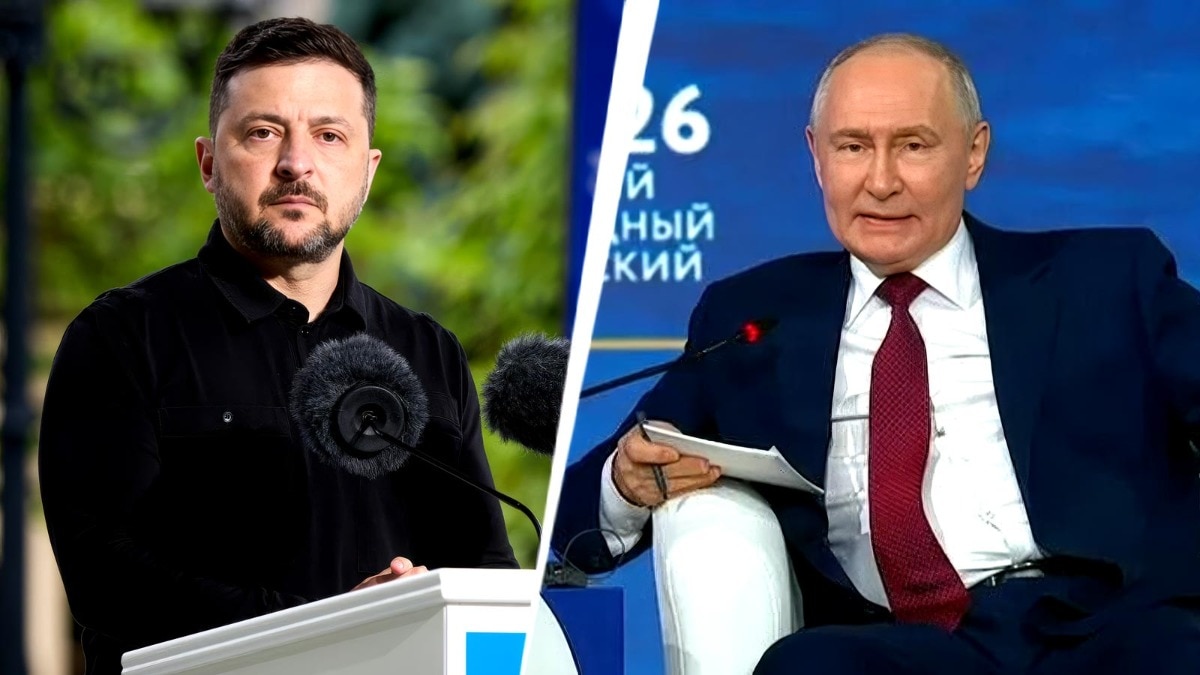
Russian President Vladimir Putin has declared that Russia is gaining the upper hand on the battlefield and has categorically refused to engage in any negotiations with what he termed 'terrorists'.
- President Putin claims Russian forces are winning on the battlefield.
- Russia has explicitly rejected any diplomatic negotiations with Ukraine's leadership.
- The Kremlin has labeled the opposing forces as 'terrorists'.
In a decisive statement that has sent ripples through the international community, Russian President Vladimir Putin has asserted that the Russian military is achieving its objectives on the battlefield. The Kremlin's stance suggests a heightened confidence in their tactical maneuvers and territorial gains.
Further intensifying the rhetoric, Putin refused to entertain any diplomatic channels, labeling the current Ukrainian leadership as 'terrorists'. This hardline stance indicates that Moscow sees no middle ground for a peaceful settlement under the current administration in Kyiv.
Why This Matters
BozokMedia analysis shows that this refusal to negotiate marks a critical pivot in the conflict. By delegitimizing the opposing side as terrorists, Russia is setting the stage for a prolonged military campaign, potentially ignoring international calls for a ceasefire.
The refusal to negotiate effectively signals that Russia is moving toward a total military solution rather than a political one.
The geopolitical implications of this stance are immense. As Russia continues to push its military agenda, the risk of broader European instability and escalating global economic volatility remains high. The shift from diplomacy to absolute confrontation changes the calculus for Western allies.
Historically, such rhetoric is often used to galvanize domestic support and solidify the nationalistic sentiment within Russia, framing the conflict as an existential battle against illegitimate actors.
Frequently Asked Questions
1. What did Putin mean by 'terrorists'?
Putin used the term to delegitimize the Ukrainian leadership and justify continued military operations.
2. Is a peace treaty possible?
With Russia rejecting negotiations, the immediate prospects for a peace treaty appear increasingly slim.