The Bishkek Declaration adopted by SCO member states reaffirms a unified stand against terrorism, separatism, and extremism, calling out the use of terror groups for selfish political goals.
- SCO members reaffirmed commitment to combat terrorism, separatism, and extremism.
- The declaration explicitly rejects 'double standards' in the global fight against terror.
- Emphasis placed on the inadmissibility of exploiting terrorist groups for selfish purposes.
- Support voiced for the sovereignty and territorial integrity of Iran.
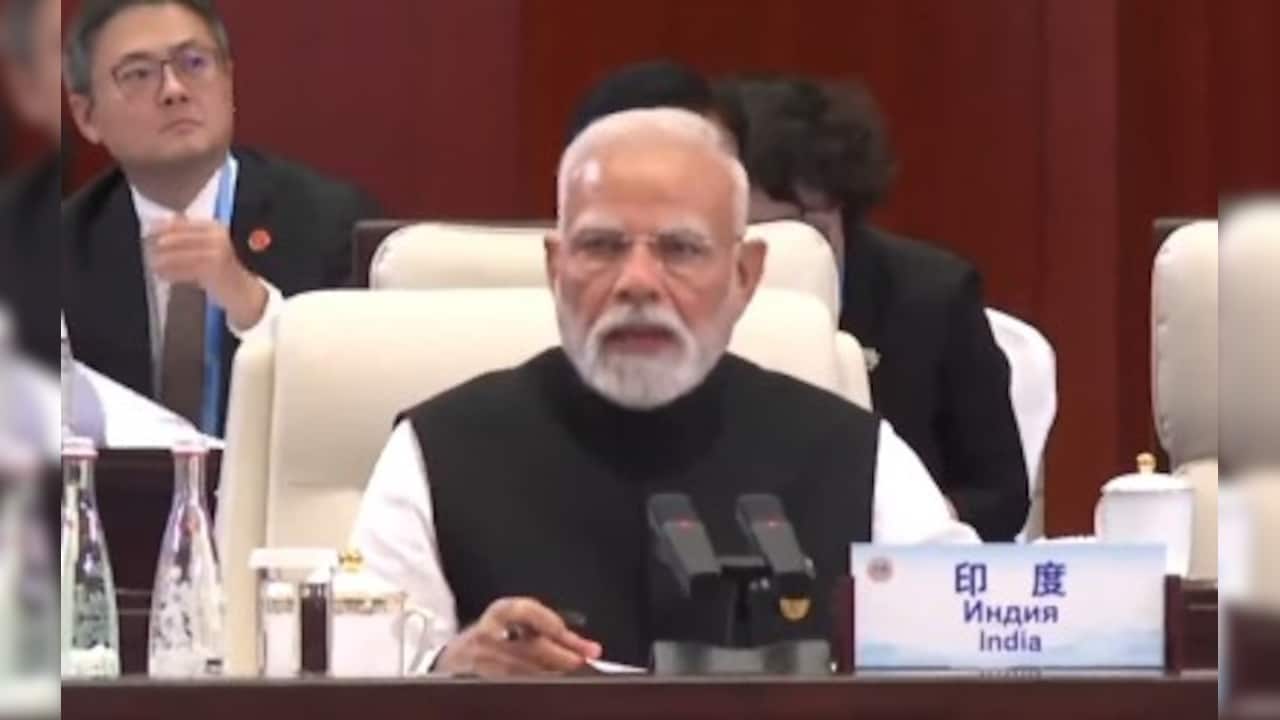
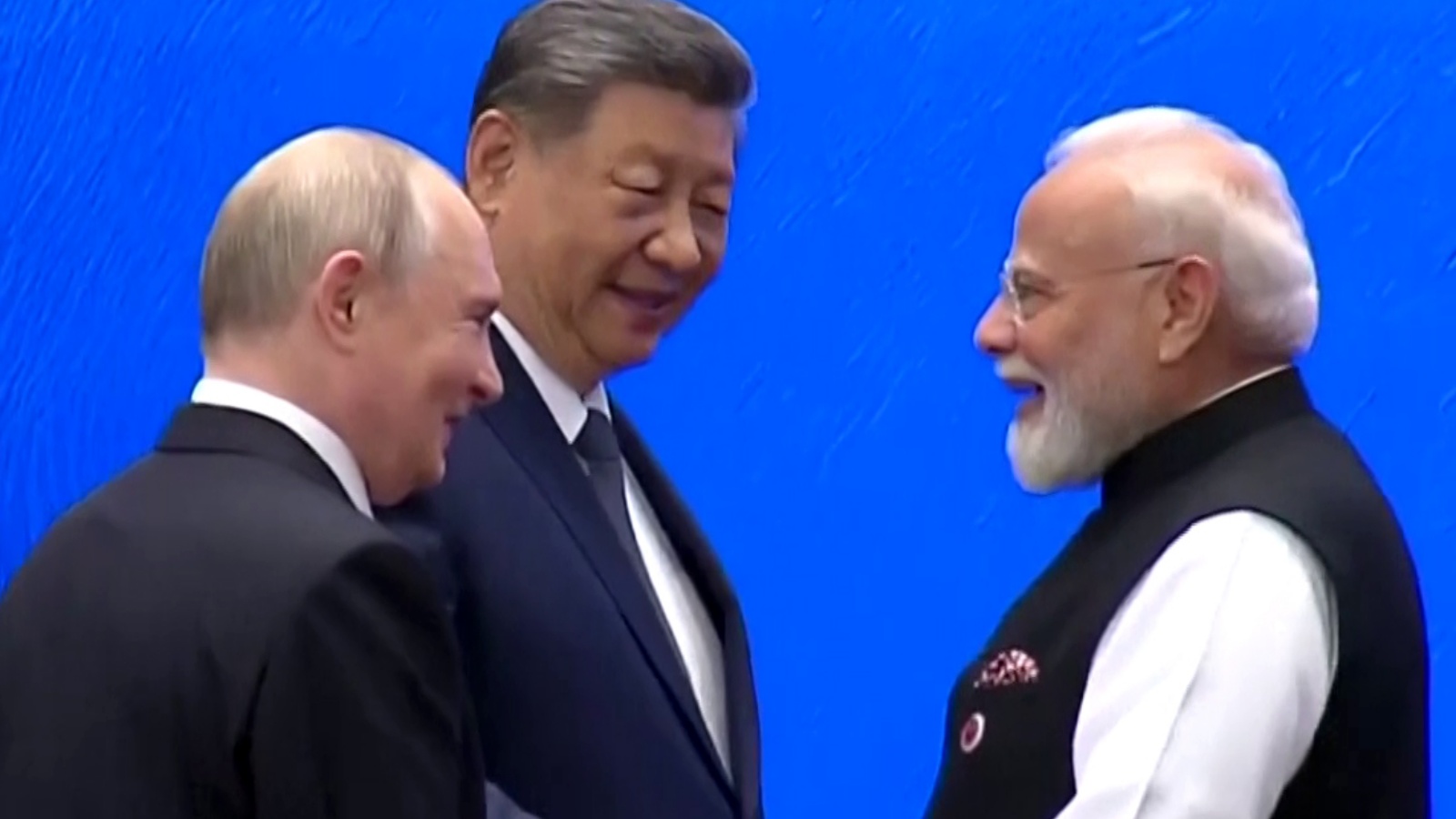
In a significant diplomatic development, leaders of the Shanghai Cooperation Organisation (SCO) have adopted the 'Bishkek Declaration' during the 26th Summit held in Kyrgyzstan. The declaration serves as a collective mandate for member states—including India, China, Russia, Pakistan, and Iran—to intensify their struggle against terrorism, separatism, and extremism.
A pivotal component of the declaration is the strong condemnation of 'double standards' in the fight against terrorism. The member states emphasized that the international community must act decisively against the cross-border movement of terrorists and must not allow any distinction between 'good' and 'bad' terrorists. They called upon the United Nations to play a central role in implementing global counter-terrorism strategies.
Why This Matters
BozokMedia analysis shows that this declaration carries immense weight for India’s foreign policy. By addressing the 'cross-border movement of terrorists' and rejecting 'double standards,' the SCO has provided a multilateral platform for India to challenge the narratives of states that sponsor proxy warfare. This collective stance aims to delegitimize the use of non-state actors for regional destabilization.
The rejection of double standards marks a shift toward a more unified, albeit complex, global approach to non-state actor threats.
The declaration also addressed the escalating tensions in the Middle East. Expressing deep concern over developments surrounding Iran, the SCO members condemned military strikes that have resulted in civilian casualties and economic damage. While India maintains strong strategic ties with Israel, the SCO's collective emphasis on diplomatic resolution and the sovereignty of Iran highlights the organization's complex balancing act in a multipolar world.
Furthermore, the SCO sought to clarify its identity amidst growing Western suspicion. The document explicitly stated that the SCO is not a military-political bloc directed against any other state or international organization. Instead, it operates on the principles of openness, non-interference, and mutual respect, aiming to contribute to a representative and equitable multipolar world order.
Addressing the global instability caused by conflicts in Ukraine and West Asia, the leaders noted the profound challenges to energy and food security. The declaration underscored the need for strengthening the UN Charter to ensure international peace and stability in an era of rapid geopolitical and technological change.
Frequently Asked Questions
1. What does the SCO mean by 'double standards' in terrorism?
It refers to the practice where some nations label certain terrorist groups as 'freedom fighters' while condemning others, a practice the SCO has now officially rejected.
2. Is the SCO a rival to NATO?
No, the Bishkek Declaration explicitly states that the SCO is not a military-political bloc and is not directed against any other international organizations.