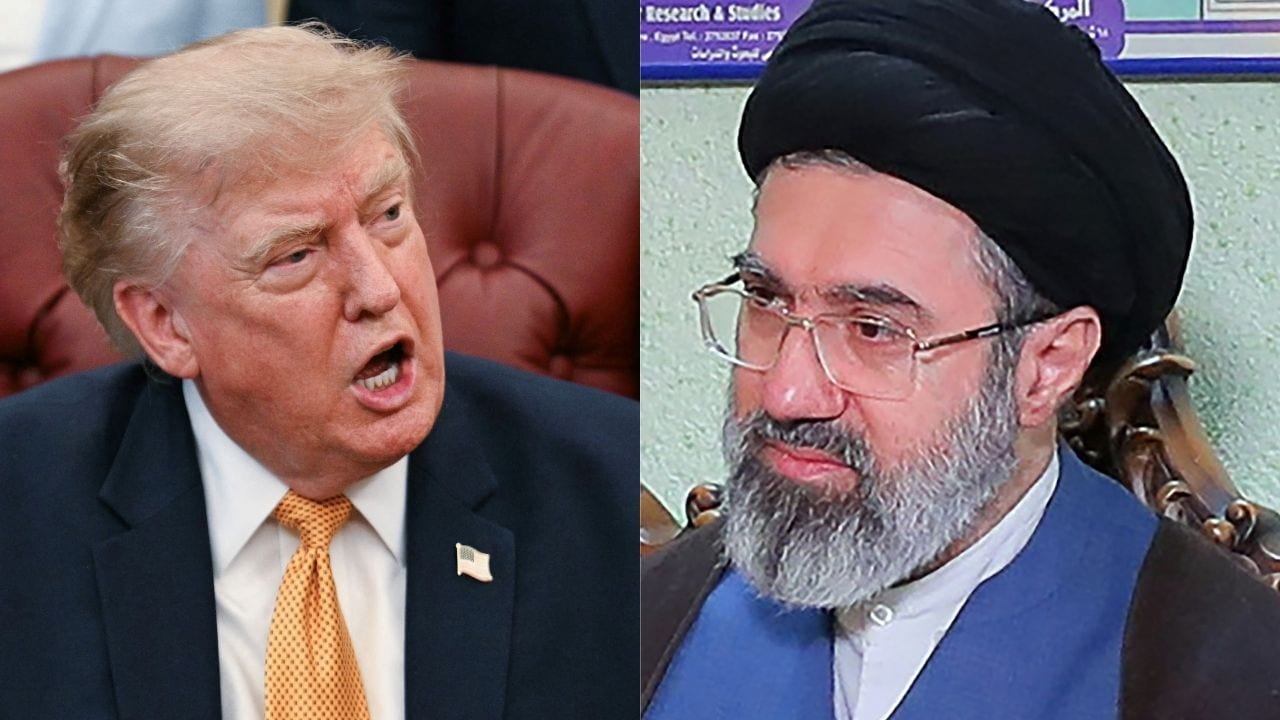
Six months into the war, Iran is split between a faction seeking a diplomatic settlement with the US and hardliners demanding continued resistance, while Supreme Leader Mojtaba Khamenei remains silent.
- Severe internal division within Iran over the future of the war.
- Pragmatists advocate for diplomatic talks and a settlement with the USA.
- Hardliners insist on continued resistance and military escalation.
- Supreme Leader Mojtaba Khamenei has avoided public commentary on the dispute.
After six grueling months of conflict, the Islamic Republic of Iran finds itself at a critical crossroads. The internal political landscape is currently fractured into two opposing camps, each presenting a vastly different vision for the nation's survival and sovereignty. The stakes could not be higher, as the decision will dictate the security architecture of the entire Middle East.
One faction, comprising pragmatists and certain military strategists, argues that the cost of war has become unsustainable. They advocate for an immediate opening of diplomatic channels with the United States to secure a settlement. This group believes that economic collapse is a more immediate threat than external military aggression, and that a negotiated peace is the only way to ensure regime stability.
Why This Matters
BozokMedia analysis shows that this internal friction reveals a fragile balance of power within the Iranian leadership. If the hardliners prevail, the region could see an escalation of proxy wars; conversely, a shift toward negotiation could reshape Middle Eastern geopolitics for decades.
Conversely, the hardline faction views any form of negotiation as a sign of weakness and a betrayal of the revolution's core tenets. For them, 'resistance' is not just a military strategy but a theological necessity. They argue that the US only respects strength and that continuing the fight is the only way to force Washington to accept Iranian regional influence.
"The tension between the pragmatic diplomacy wing and the ideological resistance wing in Tehran is creating a strategic vacuum that could lead to unpredictable policy shifts."
Amidst this turmoil, the silence of Supreme Leader Mojtaba Khamenei is deafening. By staying out of the public fray, Khamenei is maintaining an enigmatic position. Analysts suggest this could be a calculated move to let the factions exhaust themselves, or it may indicate a profound uncertainty at the very top of the Iranian hierarchy.
Historical Background
The adversarial relationship between Iran and the US dates back to the 1979 Hostage Crisis. Over the decades, this has evolved into a complex shadow war involving cyberattacks, sanctions, and proxy conflicts in Syria and Yemen. The collapse of the Joint Comprehensive Plan of Action (JCPOA) removed the primary diplomatic safety valve, leaving the two nations with few options other than escalation or total capitulation.
Frequently Asked Questions
Q1: What are the two main opposing views in Iran?
One group wants a diplomatic settlement with the US, while the other wants to continue the military resistance.
Q2: Why is Mojtaba Khamenei's silence significant?
As the ultimate authority, his lack of guidance creates uncertainty and allows internal power struggles to intensify.
