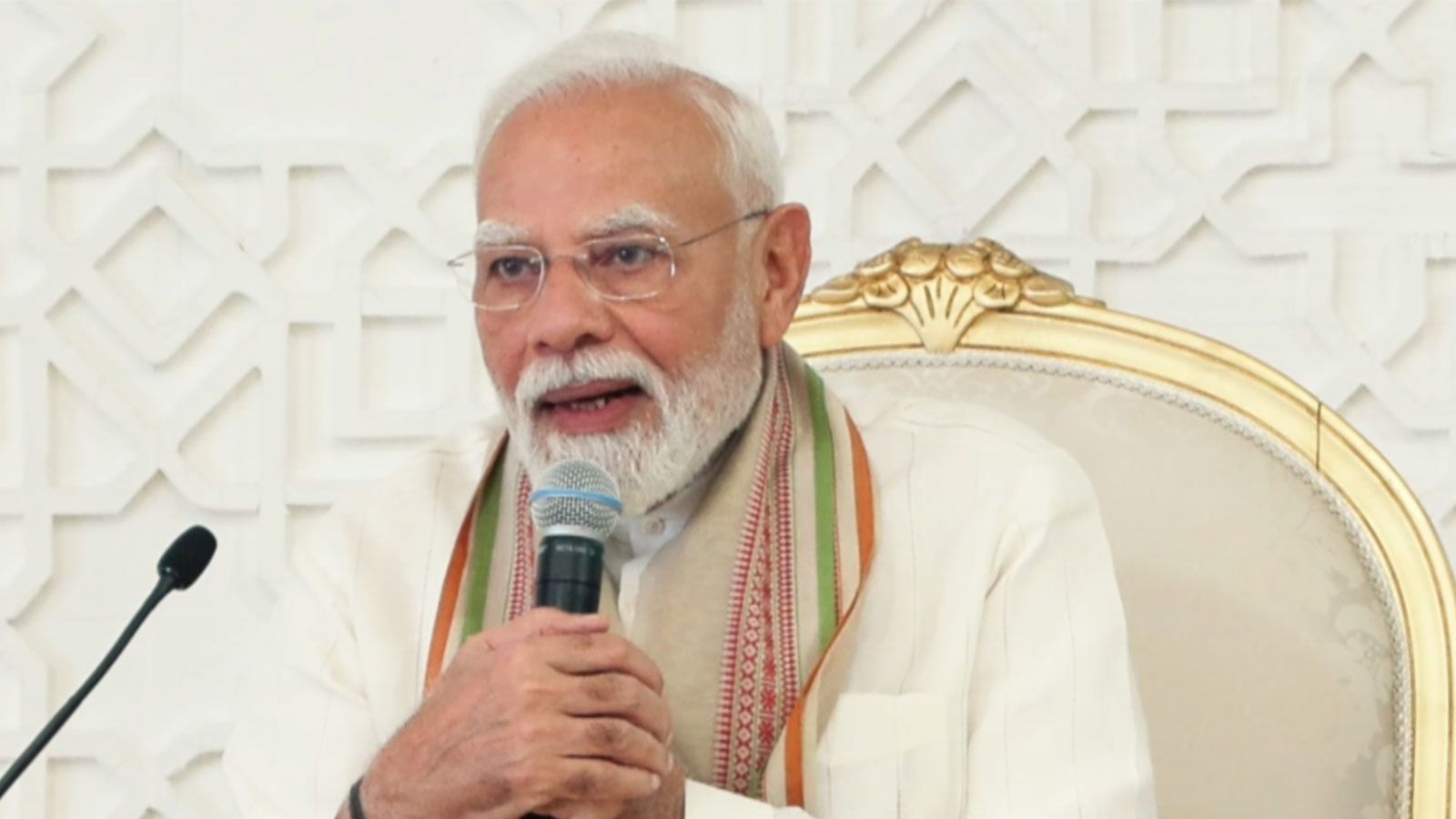
At the SCO summit in Bishkek, PM Narendra Modi emphasized that regional conflicts disrupt global energy and trade. He called for an end to 'double standards' regarding terrorism and pushed for diplomacy over warfare.
- Conflicts in West Asia are disrupting global energy security and maritime trade.
- PM Modi asserted that dialogue and diplomacy, not battlefields, are the only paths to resolution.
- Strong condemnation of using terrorism as a 'strategic asset' in the presence of Pakistan's PM.
- India's vision for SCO revolves around Security, Connectivity, and Opportunity (S-C-O).
Speaking at the Shanghai Cooperation Organisation (SCO) summit in Bishkek, Kyrgyzstan, Prime Minister Narendra Modi delivered a stern warning regarding the cascading effects of regional instabilities. He noted that the crisis in West Asia serves as a stark reminder that conflicts do not remain confined to their geographical origins; instead, they ripple across the globe, destabilizing energy markets, maritime trade routes, and intricate supply chains.
The Prime Minister's remarks come at a critical juncture, as the conflict in West Asia—triggered by US and Israeli strikes on Iran—has entered its sixth month. With Iranian President Masoud Pezeshkian in attendance, Modi’s call for diplomacy highlighted India's stance as a proponent of peace and stability in a fragmented geopolitical landscape.
Why This Matters
BozokMedia analysis shows that India is strategically positioning itself as the voice of the Global South. By linking regional wars to the economic hardships of developing nations, India is shifting the narrative from pure geopolitics to human-centric economic security. This approach enhances India's diplomatic leverage among non-Western powers.
Addressing the menace of terrorism, PM Modi refused to mince words. In the presence of Pakistan Prime Minister Shehbaz Sharif, he declared that there is no room for 'double standards' in the fight against terror. He emphasized that the global community must dismantle the entire ecosystem of terror financing and radicalization, sending a clear message to states that harbor terrorists.
"Terrorism cannot be a strategic asset for any nation; it is a grave challenge that threatens the very fabric of humanity."
On the subject of connectivity, India reiterated its support for infrastructure projects that facilitate trade. However, Modi underscored that the sovereignty and territorial integrity of all nations must be respected—a subtle but firm reference to the SCO Charter and a critique of projects that bypass national borders without consent.
Looking toward the future, the PM introduced the 'S-C-O' framework: Security, Connectivity, and Opportunity. He urged the member states to transition from government-driven cooperation to people-driven engagement, focusing on creating tangible opportunities for youth, entrepreneurs, and farmers over the next 25 years.
Frequently Asked Questions
1. What is the significance of the SCO for India?
The SCO provides India with a platform to engage with major powers like Russia and China while securing strategic interests in Central Asia.
2. Why did PM Modi mention 'double standards' regarding terrorism?
This was a direct critique of nations that provide safe havens to terrorists while claiming to be partners in counter-terrorism efforts.