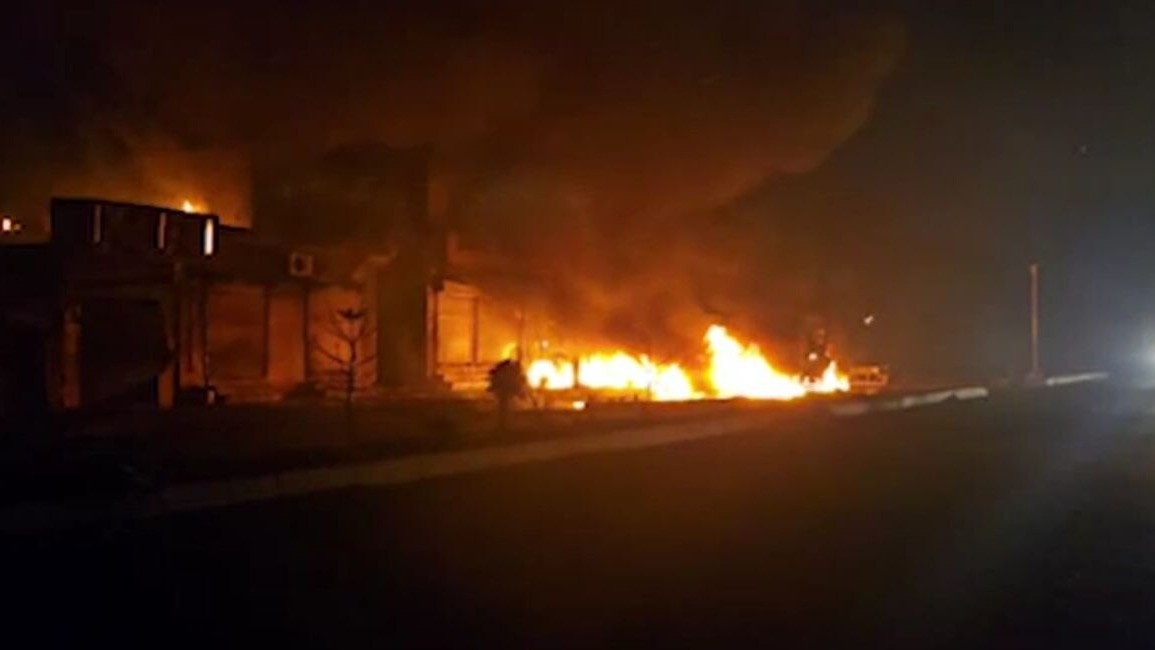
As the conflict involving Iran reshapes Middle Eastern alliances, Chinese President Xi Jinping has landed in Egypt, signaling Beijing's growing geopolitical ambitions in the region.
- President Xi Jinping's visit to Egypt highlights China's strategic pivot toward the Middle East.
- The Iran-Israel conflict is fundamentally altering regional security architectures.
- China is positioning itself as a diplomatic alternative to traditional Western influence.
Chinese President Xi Jinping has touched down in Egypt at a moment of extreme geopolitical volatility. The timing of this visit is critical, as the ongoing tensions involving Iran and regional adversaries are actively rewriting the long-standing alliance structures across the Middle East.
Egypt serves as a cornerstone of regional stability and a vital artery for global trade via the Suez Canal. By engaging with Cairo, China is not merely pursuing economic interests through its Belt and Road Initiative but is also signaling its intent to play a more decisive role in regional security and diplomacy.
Why This Matters
BozokMedia analysis shows that the vacuum left by shifting Western priorities is being rapidly filled by Beijing. As the conflict in the Middle East intensifies, China's ability to mediate between regional powers like Iran and their neighbors could redefine the global order, challenging the historical dominance of the United States in the region.
The Middle East is transitioning from a unipolar security environment to a complex multipolar landscape where China is a primary actor.
The strategic implications are profound. China’s deepening ties with Iran, combined with its massive infrastructure investments in Egypt, create a powerful axis that can influence everything from energy security to maritime trade routes. This move marks a significant escalation in China's 'Global Security Initiative.'
Historical Background
China's diplomatic footprint in the Middle East has expanded significantly over the last decade. The landmark mediation between Iran and Saudi Arabia in 2023 demonstrated that Beijing is willing and able to step into roles traditionally reserved for Western powers. This visit to Egypt is a logical progression of that strategy, aimed at securing influence in the Mediterranean and Red Sea corridors.
Frequently Asked Questions
1. How does the Iran conflict affect China's visit to Egypt?
The conflict creates a need for new diplomatic stabilizers, a role China is eager to occupy to protect its energy interests and trade routes.
2. What is China's primary goal in the Middle East?
China aims to secure energy supplies, expand its Belt and Road Initiative, and establish itself as a neutral, powerful diplomatic mediator.