A massive glacial collapse in the Himalayas has triggered devastating flash floods in Nepal, killing over 1,000 people and leaving 4,500 unaccounted for. India has dispatched its fifth relief shipment to aid rescue operations.
- Glacial collapse triggered massive flash floods across Nepal.
- Death toll has exceeded 1,000, with 4,500 people still missing.
- India has sent its 5th relief shipment to support emergency efforts.
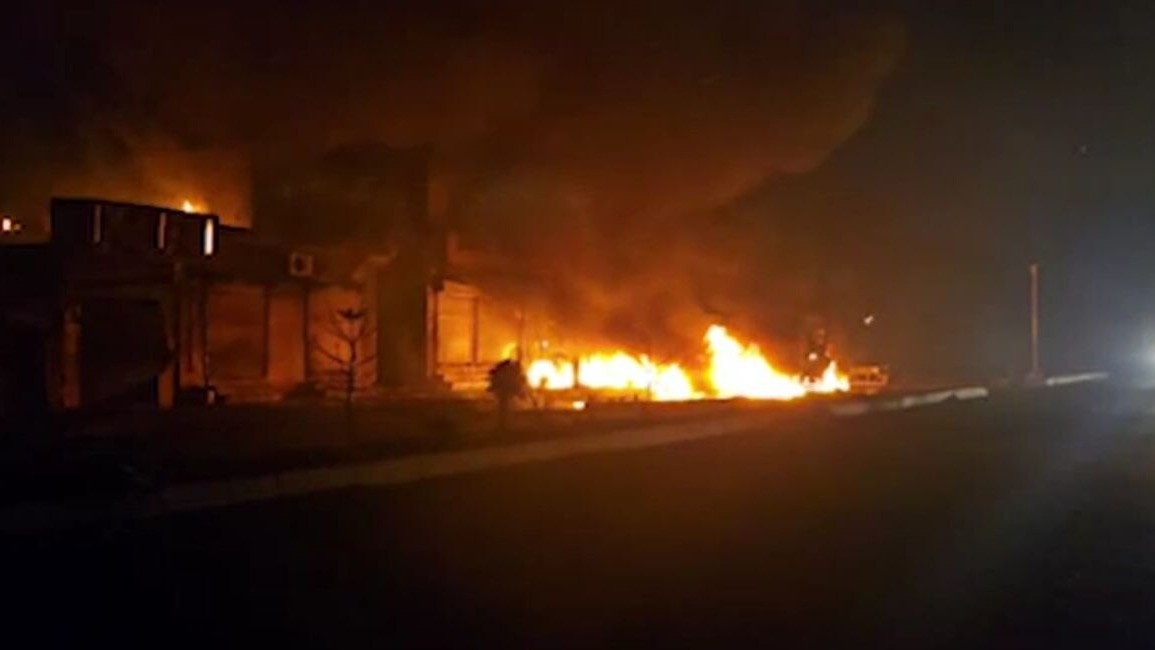
The catastrophic impact of the Himalayan glacial collapse continues to unfold in Nepal, where the death toll has officially crossed the 1,000 mark. As rescue teams struggle against treacherous terrain and rising waters, nearly 4,500 people remain unaccounted for. The disaster, which began on August 26, has left a trail of destruction across the mountain nation, wiping out entire settlements and critical infrastructure.
Rescue operations are currently underway in the most affected regions, but the scale of the devastation is overwhelming. Local authorities and military personnel are working around the clock, battling debris-filled rivers and collapsed roads to reach survivors. The suddenness of the flood, triggered by a massive glacier collapse, left many communities with zero warning time.
Why This Matters
BozokMedia analysis shows that this event is a stark reminder of the increasing frequency of Glacial Lake Outburst Floods (GLOFs) in the Himalayan region. The instability of these glaciers, driven by rising global temperatures, poses a systemic threat to the lives and economies of millions living in the downstream valleys of South Asia.
The rapid melting and structural failure of Himalayan glaciers represent one of the most significant environmental security threats of the 21st century.
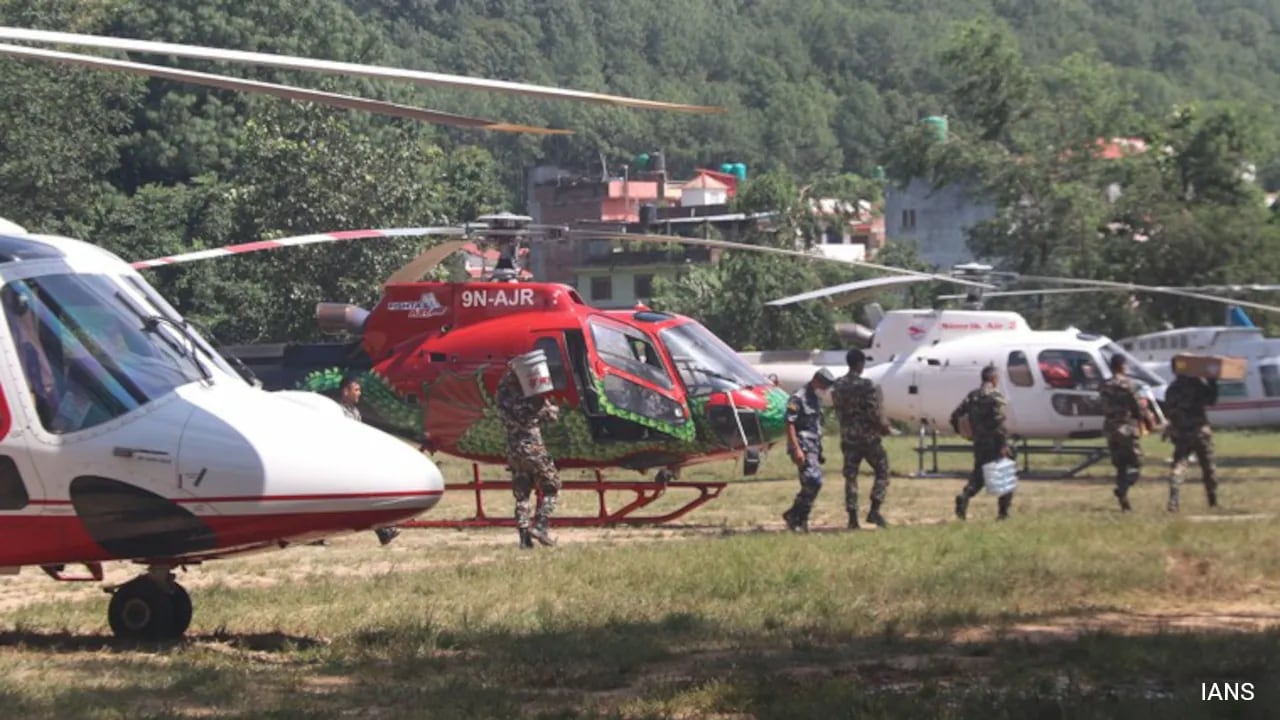
In a significant move to support the crisis-stricken nation, India has dispatched its fifth relief shipment to Nepal. This shipment includes essential medical supplies, food packets, emergency shelters, and life-saving equipment, marking a continuous effort by the Indian government to assist in the massive humanitarian operation.
Historical Background
Nepal's mountainous topography makes it highly susceptible to hydro-meteorological disasters. Historically, the region has faced various landslides and floods, but the intensity of these events has escalated due to climate change. The melting of permafrost and the formation of unstable glacial lakes have become primary drivers of sudden, high-velocity floods in the high-altitude regions.
Frequently Asked Questions
Question 1: What caused the sudden flooding in Nepal?
Answer: The flooding was triggered by a massive collapse of a Himalayan glacier, leading to sudden flash floods.
Question 2: How is the international community responding?
Answer: India has been actively providing aid, having already sent five shipments of essential relief materials.