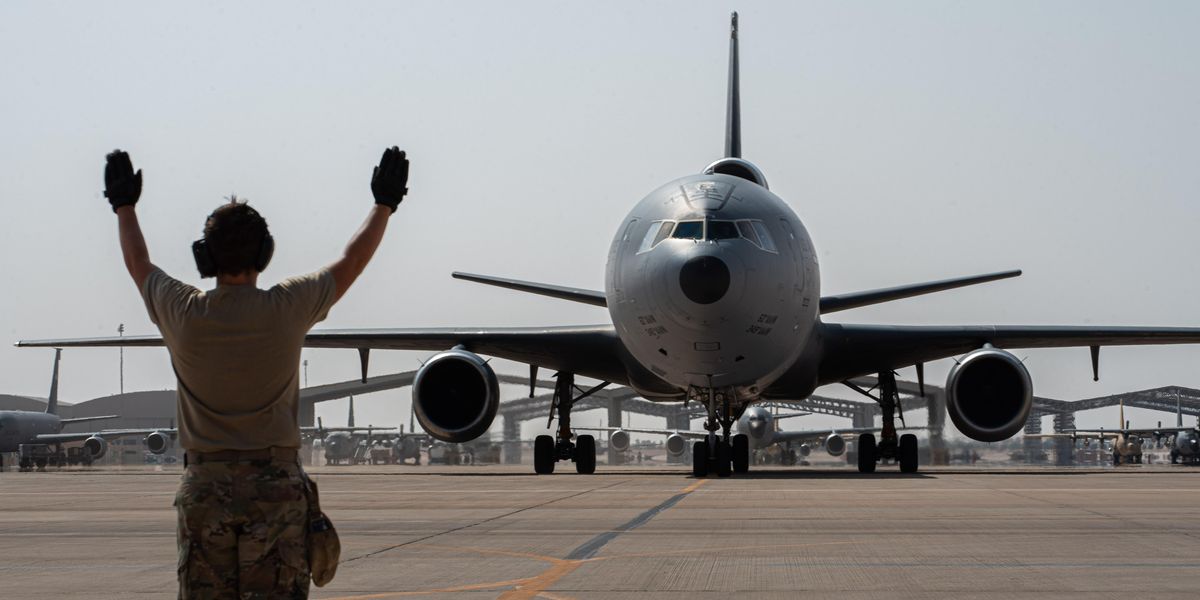
Following escalating tensions with Iran, the United States is signaling a profound strategic shift in its Middle East security architecture to reshape regional power dynamics.
- The US is recalibrating its defense posture and strategic priorities in the Middle East.
- New defense alliances may be formed to counter Iranian influence and proxy activities.
- This shift has significant implications for global energy security and regional stability.
In a significant geopolitical development, the United States has signaled a major strategic pivot regarding its security presence in the Middle East. Following prolonged tensions with Iran, Washington appears to be moving toward a more integrated and proactive defense framework designed to address evolving regional threats.
Analysts suggest that this shift is not merely reactive but represents a long-term structural change. The US aims to address the proliferation of Iranian-backed proxy groups and the ongoing nuclear concerns by strengthening ties with key regional partners such as Saudi Arabia, Israel, and the UAE.
Why This Matters
BozokMedia analysis shows that this strategic realignment is crucial for maintaining global maritime security and energy market stability. By pivoting its security architecture, the US is also attempting to create a counterweight to the growing influence of China and Russia in the Middle Eastern theater.
The US security pivot in the Middle East marks the transition from traditional counter-terrorism to a complex deterrence-based strategy.
Historically, US involvement in the region has been anchored in ensuring the free flow of oil and combating non-state actors. However, the new paradigm focuses on high-tech surveillance, integrated air defense systems, and multilateral intelligence sharing.
Comparison: Old vs. New Security Paradigm
| Feature | Old Strategy | New Proposed Strategy |
|---|---|---|
| Primary Focus | Counter-terrorism operations | Deterrence and containment |
| Alliance Model | Bilateral agreements | Multilateral defense networks |
| Tech Integration | Conventional weaponry | AI-driven surveillance & tech |
Frequently Asked Questions
1. What is the primary driver behind the US security shift?
The primary drivers are the rising influence of Iran and the need to modernize regional defense networks against modern threats.
2. How will this affect global energy markets?
A more stable security architecture in the Middle East generally leads to more predictable energy prices and safer shipping lanes.