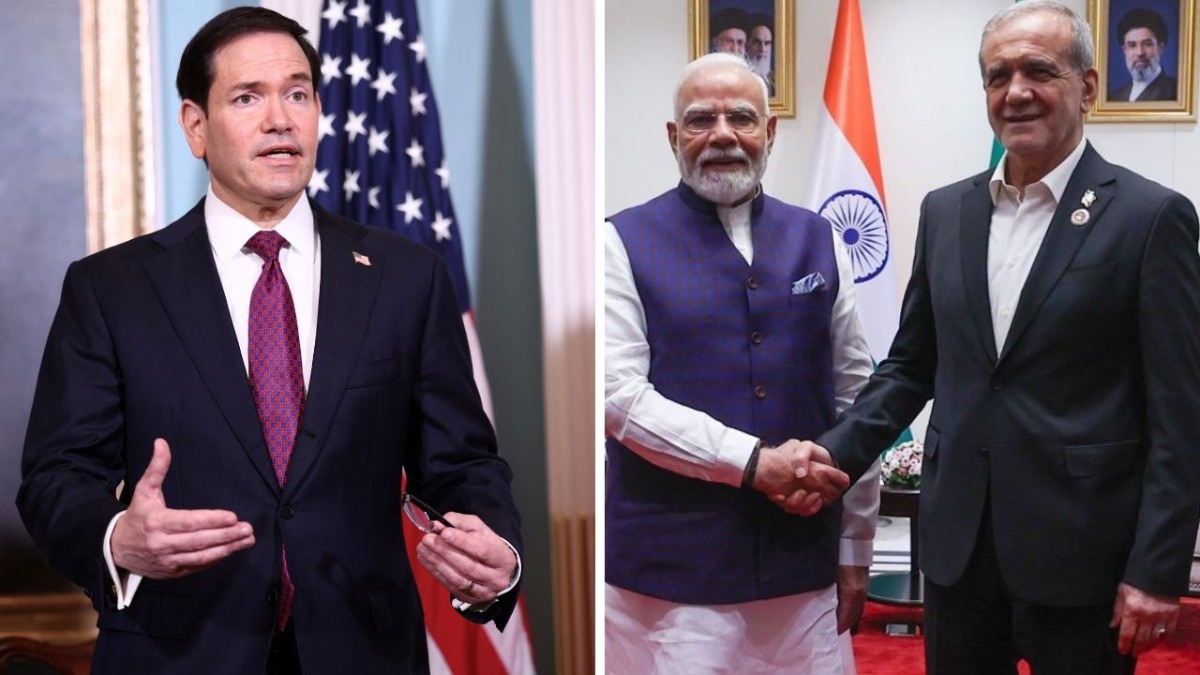
U.S. Senator Marco Rubio cautioned India and other nations not to assist Iran in bypassing American sanctions, following Prime Minister Narendra Modi’s meeting with Iranian President Masoud Pezeshkian in Bishkek, where trade and regional security were discussed.
- Rubio warns of secondary sanctions for any country that helps Iran evade U.S. restrictions.
- Modi and President Pezeshkian discussed expanding bilateral trade and maritime safety in Bishkek.
- Washington signals a tougher economic campaign against Tehran.
Rubio’s Direct Message to India
U.S. Senator Marco Rubio told host Brian Kilmeade on "The Brian Kilmeade Show" that no nation should assist Iran in evading American sanctions. His remarks came after Prime Minister Narendra Modi met Iranian President Masoud Pezeshkian on the sidelines of the Shanghai Cooperation Organisation summit in Bishkek.
Key Outcomes of the Modi‑Pezeshkian Talk
The two leaders reaffirmed the long‑standing friendship between India and Iran and expressed a desire to "expand and diversify" their trade basket. They also exchanged views on the volatile West Asian conflict and the safety of commercial shipping, with Modi emphasizing the need to protect freedom of navigation.
U.S. Economic Pressure on Tehran
The Trump administration has intensified its “Operation Economic Outcast,” which Treasury Secretary Scott Bessent described as an “economic D‑Day” aimed at choking Iran’s remaining lifelines. Rubio added, “If countries decide to help Iran generate revenue, we will have to sanction them too.”
Historical Background
U.S. sanctions on Iran date back to the 1979 Islamic Revolution, intensifying after the 2015 Joint Comprehensive Plan of Action (JCPOA) was unilaterally abandoned by Washington in 2018. The sanctions have isolated Tehran from the global financial system, driving it to develop alternative payment mechanisms and heightening tensions across the Middle East.
Why This Matters
BozokMedia analysis shows that Rubio’s warning could curtail India‑Iran trade, potentially affecting energy and raw‑material prices in South Asia. Moreover, the prospect of secondary sanctions raises compliance costs for multinational corporations, reshaping global supply‑chain strategies.
“Preventing sanction evasion has become a cornerstone of national security policy,” said an international policy expert.
Frequently Asked Questions
Is India planning a new trade deal with Iran? No formal agreement has been announced; both sides have only signaled an interest in diversifying existing commerce.
What happens if a country helps Iran evade sanctions? The United States may impose secondary sanctions, targeting the assisting nation’s companies and financial institutions.