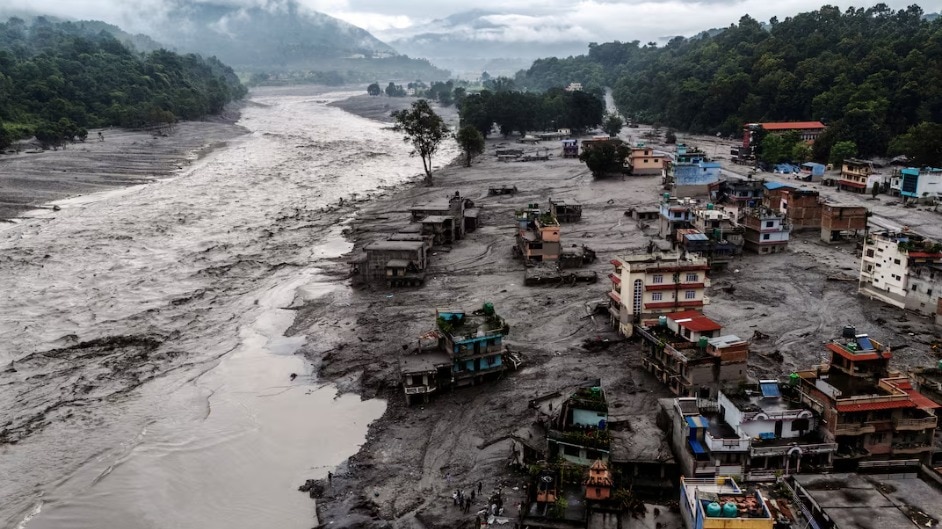
Devastating floods in Nepal have destroyed over 35 bridges, isolating entire communities. Nepal has requested 42 Bailey bridges from India and China to restore vital road links.
- Over 35 bridges have been washed away by devastating floods in Nepal.
- Nepal has requested approximately 42 Bailey bridges from India and China.
- Connectivity issues are hindering rescue, food, and medical supply delivery.
- Bailey bridges are modular, prefabricated steel structures designed for rapid assembly.
The catastrophic floods sweeping through Nepal have caused unprecedented damage to the nation's infrastructure. With more than 35 bridges destroyed or washed away, numerous districts have been effectively cut off from the rest of the country, creating a logistical nightmare for rescue and relief operations.
In response to this escalating humanitarian crisis, the Nepalese government has reached out to its two major neighbors, India and China, seeking urgent assistance in the form of Bailey bridges. The primary goal is to restore road connectivity to isolated areas such as Rasuwa, Nuwakot, and Dhading.
What is a Bailey Bridge?
A Bailey bridge is a prefabricated, temporary structure made from modular steel components. Unlike conventional permanent bridges that require extensive foundation work and long construction periods, Bailey bridges can be transported in sections and assembled quickly on-site. This makes them an indispensable tool during natural disasters like floods or earthquakes.
The necessity for these bridges is driven by the scale of destruction. Nepal's infrastructure ministry noted that several damaged crossings require spans exceeding 70 meters, a technical requirement that exceeds the current domestic stock available in Nepal.
Why This Matters
BozokMedia analysis shows that the restoration of these transit corridors is not merely about travel, but about survival. The ability to move heavy trucks carrying food, medicine, and emergency equipment into flood-hit zones is the thin line between successful relief and a mounting death toll.
In disaster zones, the speed of deployment is more critical than the permanence of the structure; Bailey bridges provide that vital window of opportunity.
The geopolitical dimension is also noteworthy. As Nepal seeks aid from both India and China, the efficiency of their response will likely influence regional diplomatic dynamics. India has already initiated the process of providing relief supplies and technical expertise to assist the Nepalese authorities.
Frequently Asked Questions
1. Why can't Nepal use its own existing bridges?
The scale of damage is too high, and many of the destroyed crossings require long-span structures (over 70m) that Nepal currently lacks in its inventory.
2. How do Bailey bridges help in rescue operations?
They allow for the rapid reopening of roads, enabling rescue teams and supply trucks to reach communities that are otherwise completely inaccessible.
