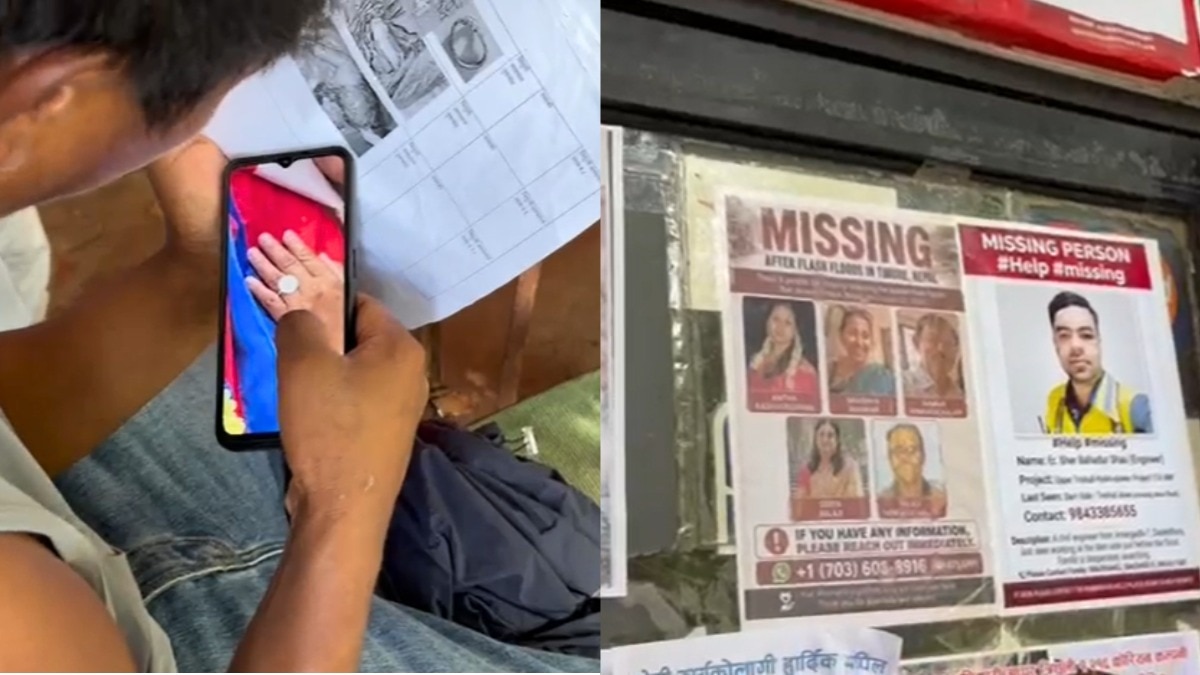
A harrowing ground report from Nepal reveals the desperate struggle of families searching for remains in the debris, relying on tiny clues like rings for identification.
- Families in Nepal are facing a desperate struggle to identify victims amidst scattered remains.
- Small personal items like rings and clothing fragments are becoming crucial for identification.
- The scale of destruction has made the search and rescue operation extremely difficult.
The recent natural disaster in Nepal has left behind a trail of devastation that goes far beyond broken buildings and blocked roads. As the dust settles, a grim reality is emerging from the ground reports: families are now engaged in a heartbreaking battle to identify their loved ones from fragmented remains found in the debris.
The intensity of the disaster has been so severe that many bodies have been dismembered. For many grieving families, the search has shifted from finding a person to finding a sign—a ring, a watch, or a specific piece of clothing that might offer a shred of certainty in this sea of destruction.
Why This Matters
BozokMedia analysis shows that the psychological trauma of being unable to identify a loved one is as devastating as the disaster itself. The lack of immediate identification complicates legal processes, inheritance, and the ability of families to find closure.
The loss of identity in the wake of a disaster adds a layer of profound psychological suffering to the physical loss.
Rescue teams and local volunteers are working tirelessly, sifting through layers of mud and rock. However, the ongoing instability of the terrain and the threat of further landslides make every minute of the search operation extremely perilous.
Historical Background
Nepal's location in the fragile Himalayan belt makes it highly susceptible to seismic activity and landslides. In recent years, shifting weather patterns and intensified monsoon seasons have significantly increased the frequency and lethality of such geological disasters in the region.
Frequently Asked Questions
Question 1: How are families attempting to identify victims?
Answer: They are primarily searching for personal belongings such as rings, jewelry, and specific clothing items.
Question 2: What are the main obstacles in the rescue operation?
Answer: Unstable terrain, heavy rain, and the sheer volume of debris are the primary challenges.