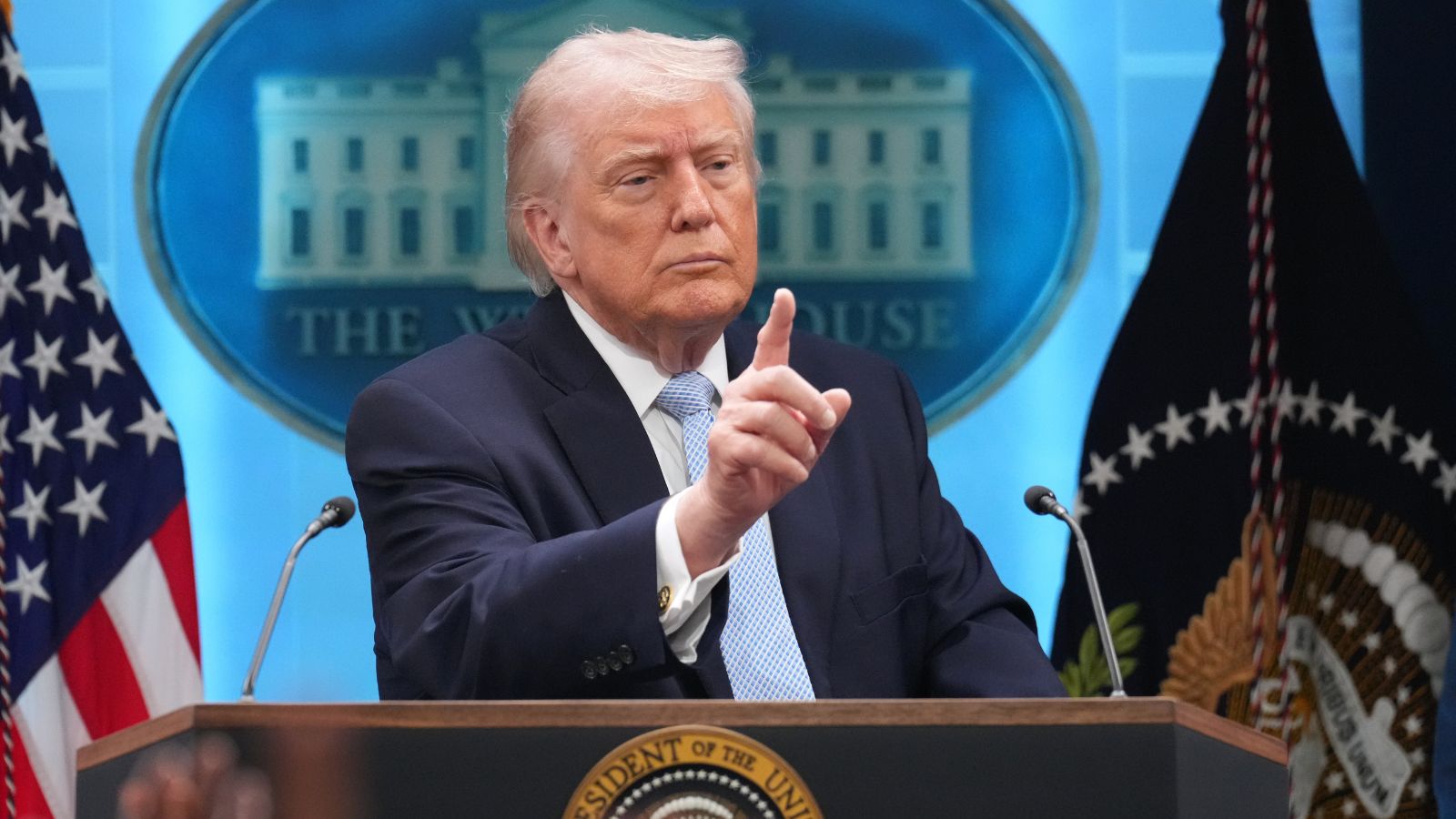
Tensions have surged as Iran's IRGC launched coordinated missile and drone strikes on US bases in Iraqi Kurdistan. President Trump has responded by rejecting negotiations and asserting US dominance over the Strait of Hormuz.
- Iran's IRGC conducted coordinated missile and drone strikes on US bases in Erbil, Iraq.
- Targets included maintenance centers, warehouses, and surveillance guidance systems.
- President Trump has officially rejected any diplomatic talks with Iran.
- The US asserts 'total control' over the strategically vital Strait of Hormuz.
The geopolitical landscape of the Middle East has shifted toward a dangerous precipice. The Islamic Revolutionary Guard Corps (IRGC) has confirmed a sophisticated, coordinated attack involving both missiles and drones targeting United States military installations in Iraqi Kurdistan. According to reports from the state-run IRNA, the strikes specifically targeted a US maintenance center, several warehouses, and the guidance system of a critical US surveillance aerostat in the Erbil region.
In a swift and forceful response, President Donald Trump has signaled a policy of zero diplomacy. Rebuffing any suggestions of high-level negotiations, Trump declared that the United States maintains 'total control' over the Strait of Hormuz. This assertion is not merely rhetorical; it is a direct challenge to Iran's influence over one of the world's most vital maritime chokepoints.
Why This Matters
BozokMedia analysis shows that this escalation transcends a local skirmish. The targeting of surveillance technology and maintenance hubs indicates a strategic attempt by Iran to degrade US intelligence-gathering capabilities in the region. Furthermore, the mention of the Strait of Hormuz brings the threat of a global energy crisis to the forefront, as any disruption there would send shockwaves through international oil markets.
The transition from proxy tensions to direct strikes on US-occupied territory marks a critical escalation in the decades-long shadow war between Washington and Tehran.
Historically, the relationship between the US and Iran has been defined by deep-seated mistrust, stemming from the 1979 Revolution and subsequent decades of sanctions and maritime confrontations. The current theater in Iraqi Kurdistan serves as a volatile backdrop where local grievances and superpower ambitions collide.
As the dust settles on the strikes in Erbil, the international community remains on high alert. The US military's next move—whether it involves retaliatory strikes on Iranian soil or increased fortification of its regional assets—will determine if this incident remains a localized strike or ignites a full-scale regional conflagration.
Frequently Asked Questions
Question 1: What were the specific targets of the Iranian attack?
Answer: The IRGC targeted US maintenance centers, warehouses, and the guidance system of a surveillance aerostat in Erbil.
Question 2: Why is the Strait of Hormuz significant in this conflict?
Answer: It is a critical maritime chokepoint through which a massive portion of the world's oil supply flows, making it a key strategic asset.