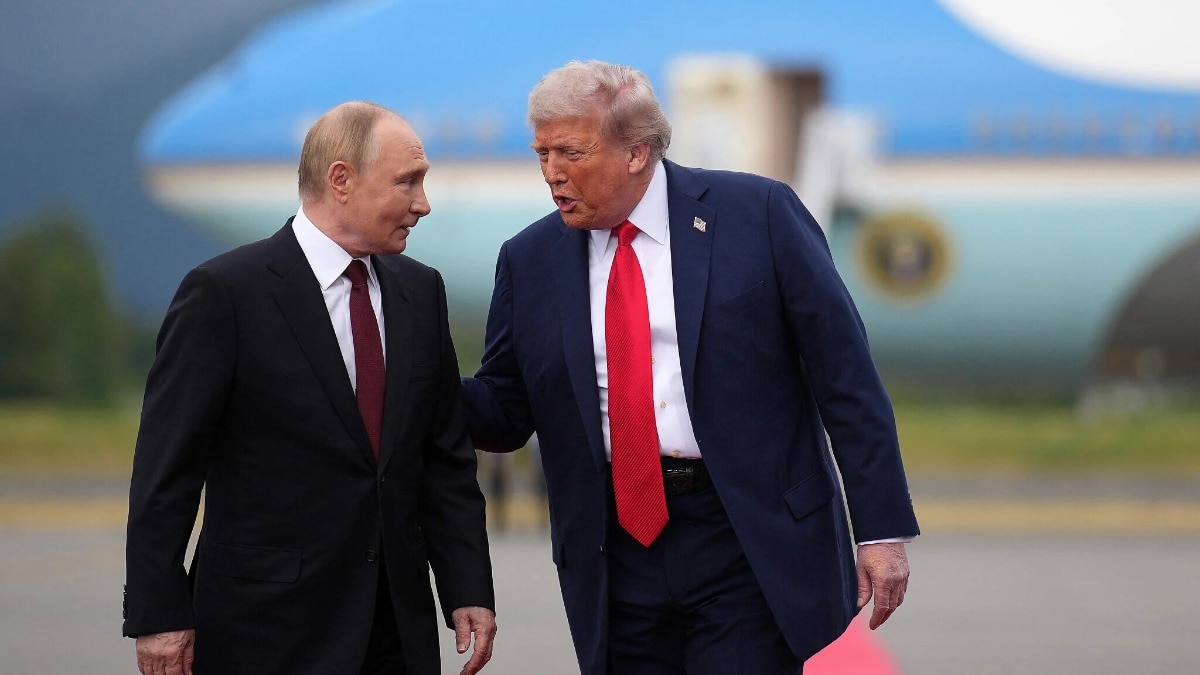
US Special Envoy Sergio Gor met with Central Asian heads of state on the sidelines of the Shanghai Cooperation Organisation summit, focusing on visa facilitation, energy cooperation, and volatile oil prices. The talks signal a strategic shift in Washington’s outreach to a region traditionally dominated by Russia and China.
- US envoy pushes deeper economic ties with Central Asia
- Discussions on visa easing and energy sector collaboration
- Both sides address oil price volatility and market stability
During the annual Shanghai Cooperation Organisation (SCO) summit, US Special Envoy Sergio Gor held side‑stage meetings with presidents of Kazakhstan, Kyrgyzstan and Turkmenistan. The outreach underscores Washington’s intent to expand its influence in a region long dominated by Russian and Chinese interests.
The agenda centered on simplifying visa procedures, reducing trade barriers, and forging stronger energy partnerships. President Sabit Japarov emphasized the need for streamlined transit for oil and gas exports, a move that could help temper the current volatility in global oil markets.
Global crude prices remain unsettled due to geopolitical tensions and production cuts. SCO members expressed interest in hearing the US perspective, opening a possible pathway for coordinated actions to stabilize prices.
Historical Background
Founded in 2001, the SCO aims to promote security, economic cooperation, and cultural exchange among its members. Historically, Russia and China have steered the organization’s agenda, while the United States has maintained a peripheral role. In recent years, Washington has intensified diplomatic outreach to Central Asia to protect its strategic and energy interests.
Why This Matters
BozokMedia analysis shows that such bilateral talks can reshape regional energy security and influence global oil price dynamics. If visa reforms and energy agreements materialize, US firms could gain unprecedented access to Central Asian markets.
"Expanding energy cooperation in Central Asia could be a linchpin for stabilizing global oil prices," notes James Carter, international energy policy analyst.
Frequently Asked Questions
Q1: Will US companies benefit from this diplomatic push?
A: Potentially, especially in the energy and infrastructure sectors, should the discussed agreements be implemented.
Q2: How might this affect the SCO’s future agenda?
A: It signals a more active US role, which could lead to a broader, more diversified set of cooperative initiatives within the organisation.