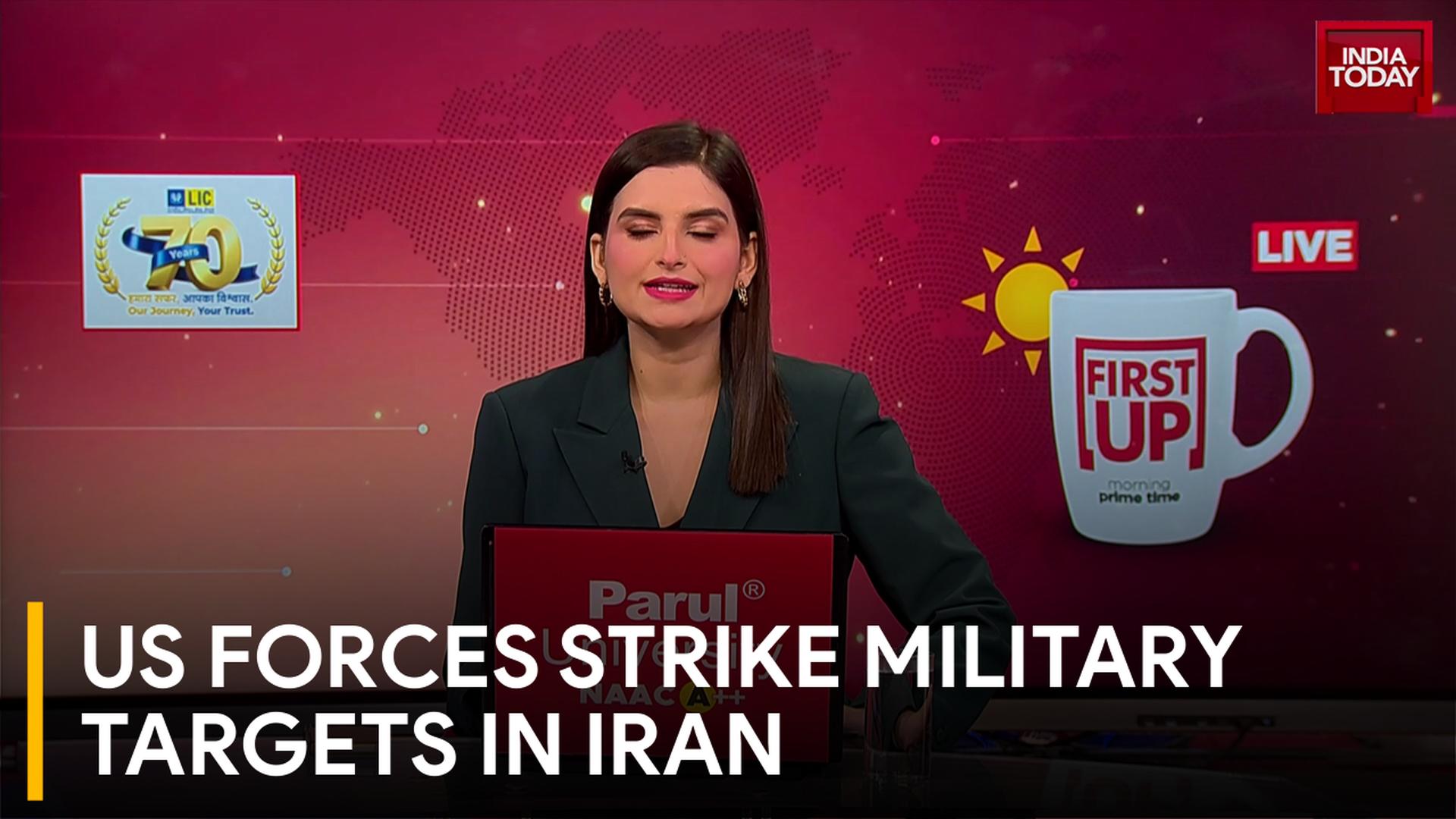
Military hostilities have escalated significantly following US strikes on Iranian targets, sending shockwaves through the Strait of Hormuz and threatening global energy security.
- US military forces conducted precision strikes against Iranian strategic assets.
- The Strait of Hormuz is witnessing heightened naval activity and risk.
- Global oil markets face extreme volatility due to the escalating Middle East conflict.
The geopolitical landscape of the Middle East has shifted dramatically following targeted US military strikes against Iranian installations. The escalation has brought the Strait of Hormuz to the brink of a major maritime confrontation, raising fears of a full-scale regional war.
According to defense intelligence, the strikes were aimed at neutralizing specific capabilities that pose a direct threat to regional security and international shipping lanes. However, the precision of these operations has not deterred the immediate threat of Iranian retaliation, which could target critical infrastructure across the region.
Why This Matters
BozokMedia analysis shows that the Strait of Hormuz remains the world's most critical energy chokepoint. With a significant portion of the world's liquid petroleum passing through this narrow waterway, any prolonged military engagement here could trigger a catastrophic spike in global oil prices and widespread economic instability.
The direct confrontation between the US and Iran marks a volatile turning point that could redefine Middle Eastern security architecture for decades.
Historically, the Strait of Hormuz has been a flashpoint for international tension. Iran has frequently utilized its proximity to this waterway as a strategic lever in its diplomatic and military negotiations with Western powers, often threatening to disrupt the flow of commerce.
As naval assets from both nations reposition in the area, the international community is watching with bated breath. Diplomatic channels are being activated in an attempt to de-escalate the situation, but the military posture on the ground suggests that the window for peaceful resolution is rapidly closing.
Frequently Asked Questions
Question 1: Why is the Strait of Hormuz so important?
Answer: It is the world's most vital oil transit route, through which a massive percentage of global petroleum supplies are shipped.
Question 2: How will this affect the economy?
Answer: Increased tension in this region typically leads to higher energy costs, which can drive up inflation globally.