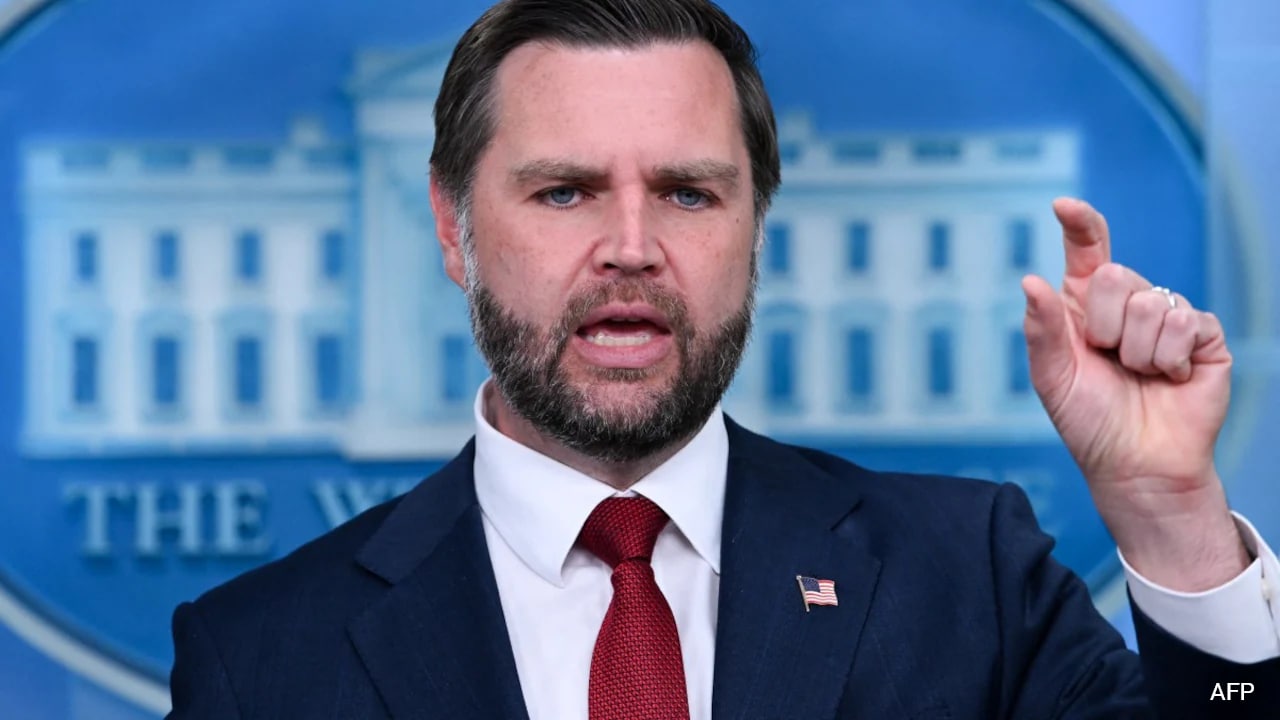
JD Vance has issued a stern warning to Iran, accusing the nation of targeting commercial shipping in the Strait of Hormuz and threatening covert pressure.
- JD Vance accused Iran of disrupting commercial shipping in the Strait of Hormuz.
- All strategic options, including covert pressure, are being considered.
- The primary goal is to prevent a massive global energy crisis.
In a significant escalation of rhetoric, JD Vance has stated that the administration's approach toward Iran involves having "all options on the table." This includes the potential use of covert pressure to counter Tehran's recent provocations in international waters.
Vance specifically highlighted the ongoing threats to commercial shipping in the Strait of Hormuz. He accused Iran of actively targeting merchant vessels, an act that jeopardizes the stability of international trade and the flow of essential commodities.
Why This Matters
BozokMedia analysis shows that the tension in the Strait of Hormuz is not merely a regional conflict but a critical threat to the global economy. Any disruption in this narrow waterway can lead to an immediate spike in oil prices and a cascading energy crisis across the globe.
The targeting of commercial vessels in strategic waterways is a direct challenge to international maritime law and global economic security.
The administration's stance is being framed as a preventative measure. By exerting pressure now, the goal is to forestall a wider global energy crisis that could result from prolonged instability in the Middle East. This proactive stance signals a shift toward more aggressive containment strategies.
Historically, the Strait of Hormuz has been a flashpoint for geopolitical tension. Iran's ability to influence this chokepoint provides it with significant leverage over global markets, making the current situation highly volatile.
Frequently Asked Questions
1. What is the significance of the Strait of Hormuz?
It is one of the world's most vital maritime chokepoints, through which a massive portion of the world's oil supply passes.
2. What does 'covert pressure' imply in this context?
It suggests the use of non-traditional, intelligence-led, or clandestine operations to weaken Iran's capabilities without direct military engagement.