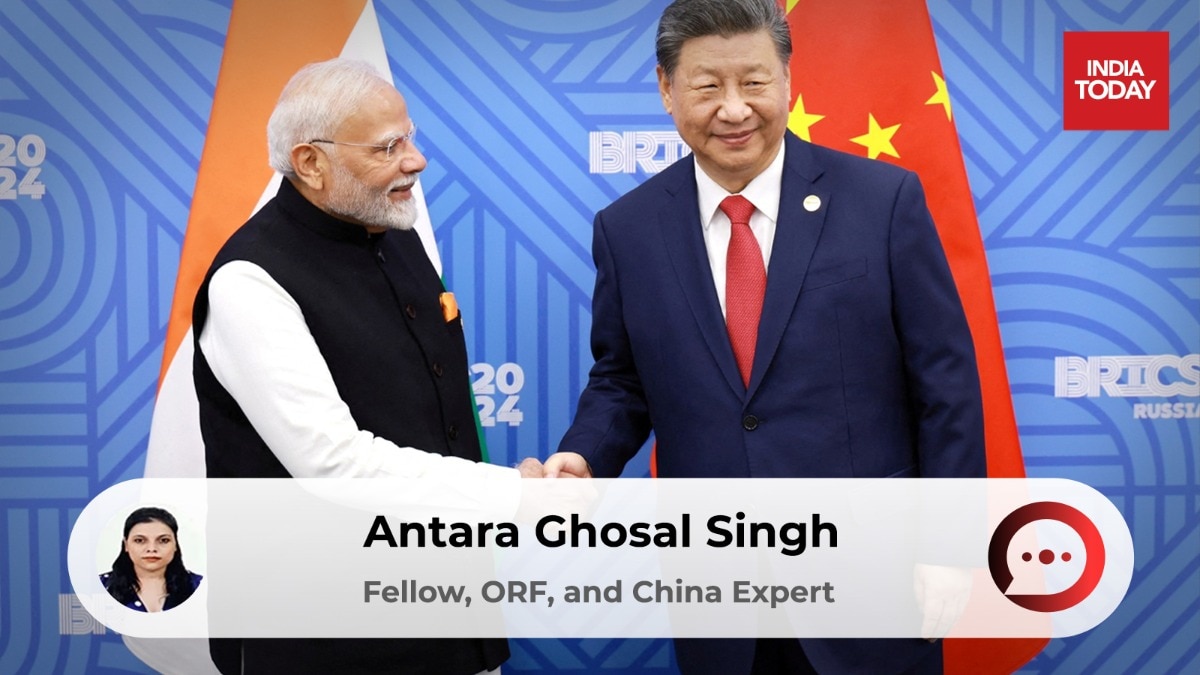
As PM Modi concluded his Central Asia tour, Chinese social media erupted with debates regarding India's detour through Chinese airspace, highlighting New Delhi's connectivity constraints.
- Chinese netizens focused on PM Modi's 3,000km detour via Chinese airspace during his SCO visit.
- India faces significant transit hurdles due to closed Pakistani airspace and instability in Iran.
- Central Asian resources like rare earths are vital for India's manufacturing growth.
- China is framing India's connectivity issues as a strategic foreign policy failure.
Following Prime Minister Narendra Modi's state visit to Uzbekistan and participation in the SCO Summit in Kyrgyzstan, the Chinese digital landscape has been dominated by discussions regarding his travel itinerary. Commentators on platforms like Weibo highlighted that the Indian Prime Minister had to fly an additional 3,000 kilometers and spend five extra hours in the air to navigate around geopolitical barriers.
The strategic importance of Central Asia cannot be overstated. The region holds vast reserves of oil, gas, and critical minerals essential for India's industrial expansion. However, as noted by Sohu.com, India lacks a direct land border with these nations, forcing New Delhi to rely on third-party transit corridors that are currently fraught with tension.
Why This Matters
BozokMedia analysis shows that this transit issue is a symptom of a larger geopolitical squeeze. India's primary alternatives—the Pakistani airspace, the Iran-India Chabahar corridor, and the Russian route—are all currently compromised. The closure of Pakistani airspace following recent security escalations, the US-Iran conflict affecting the Chabahar Port, and the ongoing war in Russia have left India with limited reliable options for rapid transit to the Eurasian heartland.
The debate has intensified following the resumption of direct flights between India and China. While the Guangzhou-Delhi route has reopened, Indian airlines like Air India are urging the government to negotiate access to Xinjiang airspace. This request has become a flashpoint in China, with critics suggesting India is exploiting the recent 'thaw' in bilateral relations to gain strategic concessions.
The necessity of utilizing Chinese airspace presents a profound diplomatic paradox for New Delhi: seeking connectivity through its primary strategic rival.
Chinese observers have been particularly vocal, labeling the situation a 'strategic embarrassment.' They argue that for a rising major power with significant military and economic clout, being 'trapped' within the subcontinent and needing Chinese permission for transit suggests a failure in long-term foreign policy. The discourse suggests that India's attempt to balance participation in the QUAD, BRICS, and SCO has left it in a precarious position regarding regional connectivity.
Frequently Asked Questions
1. Why is the Central Asian route so difficult for India?
India lacks direct land access and must navigate through Pakistan (closed), Iran (unstable due to US-Iran tensions), or Russia (war zone).
2. What is the significance of the 'thaw' in China-India relations?
The 'thaw' refers to the recent easing of tensions, including resumed direct flights and border management consensus, which has brought transit discussions to the forefront.
