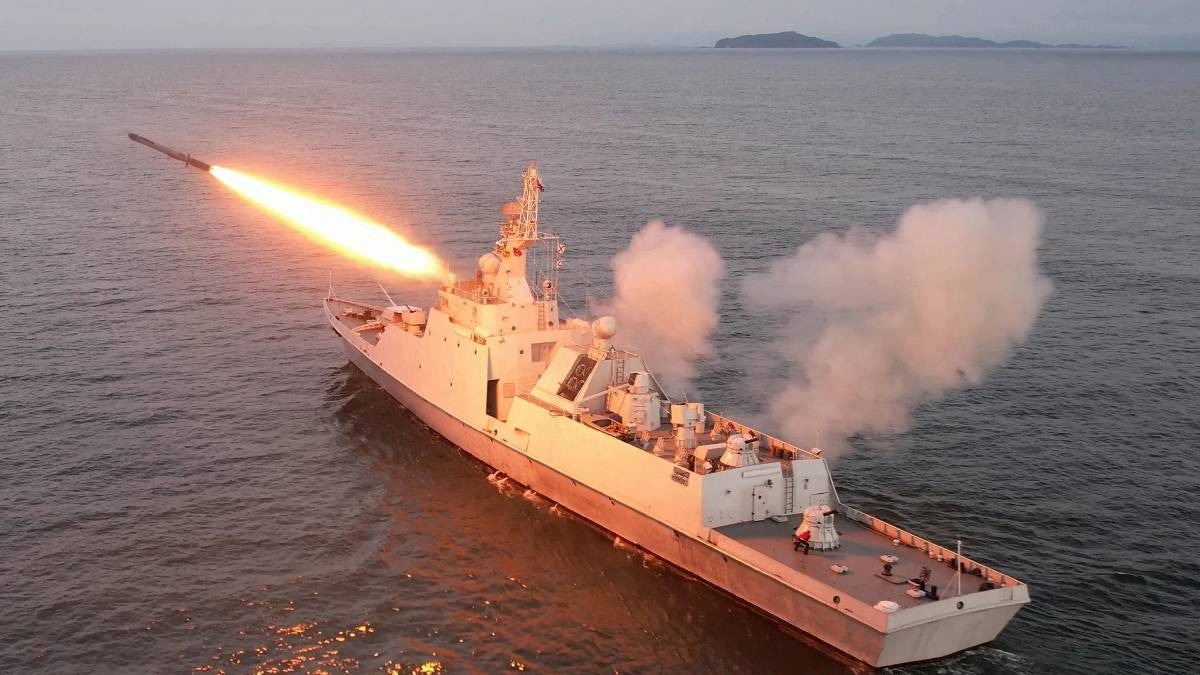
Tensions are soaring in West Asia as the US Navy enforces a strict blockade in the Strait of Hormuz while Houthi rebels launch 10 ballistic missiles in Yemen.
- The US Central Command (CENTCOM) is strictly enforcing a naval blockade against Iran in the Strait of Hormuz.
- The US Navy has diverted 86 commercial vessels and neutralized 3 ships to ensure compliance.
- Iran-backed Houthi rebels launched 10 ballistic missiles targeting Taiz and Hodeidah provinces in Yemen.
- The simultaneous naval and missile escalation poses a massive threat to global energy supplies.
The geopolitical landscape of West Asia is rapidly tilting toward a major confrontation. Amidst a heavy-handed naval blockade by the United States in the Strait of Hormuz and a barrage of missile strikes by Houthi rebels in Yemen, the region is teetering on the brink of a larger conflict. According to the US Central Command (CENTCOM), the US military is aggressively implementing maritime restrictions to counter Iranian influence.
The scale of US operations is significant. By September 2, the US Navy has already forced 86 commercial vessels to alter their routes to ensure compliance with security protocols. Furthermore, 3 vessels were neutralized, and 2 ships were boarded for intensive inspections. This strategic move is designed to tighten the noose around Iranian maritime activities and secure vital shipping lanes.
Why This Matters
BozokMedia analysis shows that the Strait of Hormuz is the world's most critical energy artery. Any military disruption here has an immediate and devastating impact on global oil prices and international supply chains. The US blockade is not just a security measure but a high-stakes maneuver to control the flow of global commerce in a volatile region.
The convergence of US naval dominance in the Strait and Houthi missile capabilities in Yemen creates a perfect storm for a regional war.
Simultaneously, the situation on the ground in Yemen has turned increasingly violent. Iran-backed Houthi rebels have launched 10 ballistic missiles targeting the western Yemeni provinces of Taiz and Hodeidah. Yemeni government sources confirmed that the missiles were aimed at the city of Mocha and the Al-Khokha district, intensifying an already precarious security situation.
The missile strikes follow a pattern of recent drone attacks on Mocha, turning the coastal region into a combat zone. Beyond the air strikes, ground combat has also intensified; Houthi fighters launched an offensive in the Al-Qadha-Al-Barah area of Taiz, which was subsequently repelled by government forces. This dual-front escalation—maritime blockade and land-based missile warfare—highlights the complexity of the current crisis.
Historical Background
The Strait of Hormuz has historically been a flashpoint for conflict between Iran and Western powers. From the 'Tanker War' of the 1980s to the modern-day Houthi-led disruptions, this narrow waterway remains the epicenter of global energy security and geopolitical maneuvering.
Frequently Asked Questions
1. What is the US doing in the Strait of Hormuz?
The US is enforcing a naval blockade to monitor commercial traffic and counter Iranian influence, involving vessel inspections and route diversions.
2. Where did the Houthi missile attacks occur?
The Houthi rebels targeted the Taiz and Hodeidah provinces in Yemen, specifically aiming at Mocha and Al-Khokha.