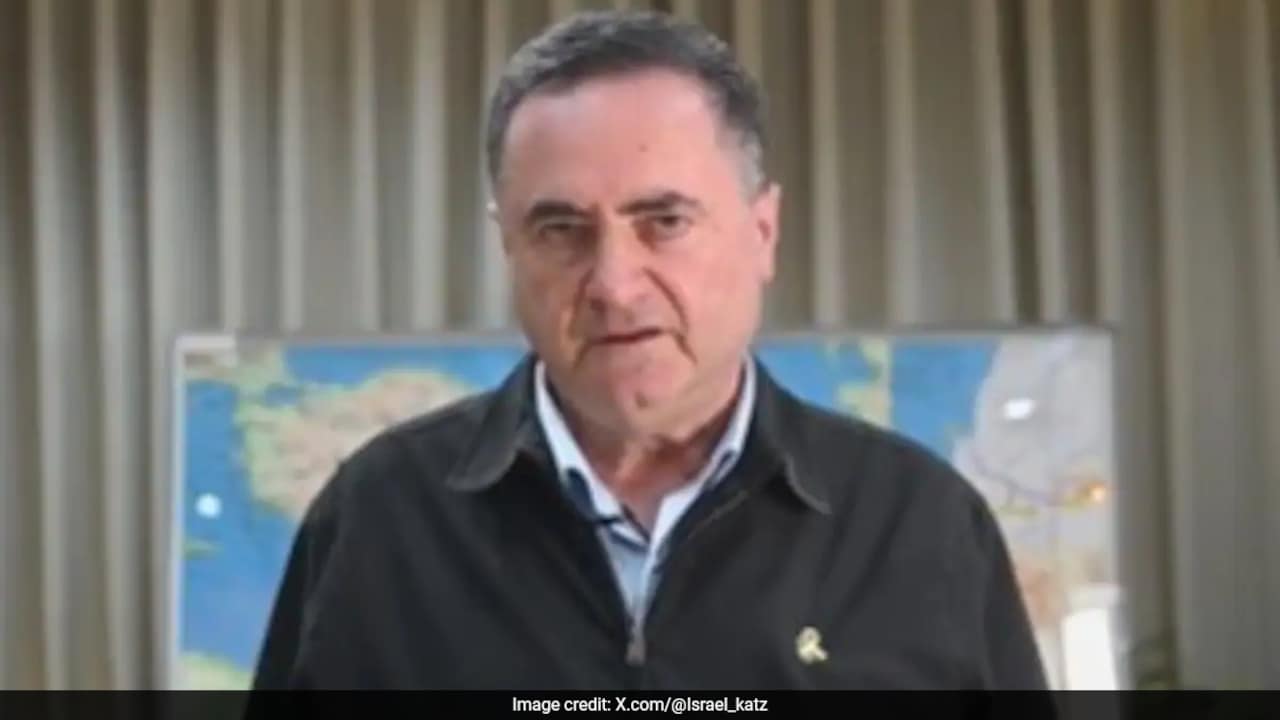
Israel has issued a stern warning that the escalating US economic sanctions aimed at crippling Iran could inadvertently push the regime into taking extreme and dangerous retaliatory actions.
- The US Treasury has launched new sanctions to 'asphyxiate' the Iranian economy.
- Israel warns that extreme economic pressure may lead to unpredictable Iranian retaliation.
- US Air Force raids on Iranian targets have recently resumed.
Tensions in the Middle East have reached a boiling point as Israel warns of the potential fallout from recent United States economic policies. Following the US Treasury's announcement of a new series of sanctions designed to 'asphyxiate' the Iranian economy, Israeli officials have expressed concern that these measures could backfire by pushing Tehran toward 'desperate steps.'
The geopolitical landscape has shifted dramatically in recent weeks. Not only has the economic warfare intensified through sanctions, but kinetic military action has also escalated. On Sunday, the US Air Force resumed targeted raids on Iranian soil, marking a significant escalation in direct military involvement. This dual-track approach of economic strangulation and aerial strikes has placed the region on high alert.
Why This Matters
BozokMedia analysis shows that the intersection of economic warfare and direct military strikes creates a volatile environment where miscalculation is highly likely. As Iran's financial resources dwindle, the regime may feel compelled to utilize its proxy networks or advanced missile capabilities to assert its influence and defend its sovereignty.
Economic strangulation without a clear diplomatic exit ramp often results in unpredictable military escalation.
The strategic objective of the US is to limit Iran's ability to fund its regional activities and nuclear ambitions. However, the Israeli perspective suggests that a weakened Iran might become a more dangerous and unpredictable actor on the global stage, seeking to regain leverage through unconventional means.
Historical Background
The hostility between Iran and the West, particularly the US, dates back to the 1979 Islamic Revolution. Over the decades, sanctions have been a primary tool of US foreign policy toward Tehran, specifically targeting its nuclear program and its support for various militant groups across the Middle East.
Frequently Asked Questions
Question 1: What is the goal of the new US sanctions?
Answer: The primary goal is to cripple the Iranian economy to prevent the funding of its nuclear program and regional proxies.
Question 2: Why is Israel worried about these sanctions?
Answer: Israel fears that an economically cornered Iran will resort to extreme military or asymmetrical warfare.

