As search operations continue in Nepal following catastrophic floods, several missing foreign nationals have made contact, providing a ray of hope amid a death toll exceeding 1,200.
- Five foreign nationals (Spanish, Belgian, and American) have confirmed they are safe via phone/email.
- Over 4,200 people remain missing, including 590 foreign nationals.
- Approximately 900 people are feared trapped within six hydropower plants.
- India has deployed specialized teams for rescue and forensic identification.
More than a week after catastrophic flash floods struck Nepal, a glimmer of hope has emerged as some previously reported missing tourists have made contact with authorities. However, the scale of the disaster remains staggering, with Nepali authorities reporting at least 1,252 deaths and over 4,200 people still missing.
Among the survivors, five foreign nationals—comprising three Spanish, one Belgian, and one American citizen—have successfully reached out to officials, confirming their safety. Additionally, five Australians have been accounted for, reducing the number of missing Australians from 43 to 38. Australia has pledged to send drone operators to bolster the search-and-rescue efforts.
Why This Matters
BozokMedia analysis shows that the scale of this disaster transcends national borders, impacting international tourism and requiring a coordinated global humanitarian response. The potential entrapment of hundreds in hydropower infrastructure poses a significant technical and life-saving challenge for regional engineers and rescuers.
The transition from active rescue to forensic identification marks a grim turning point in the disaster management cycle.
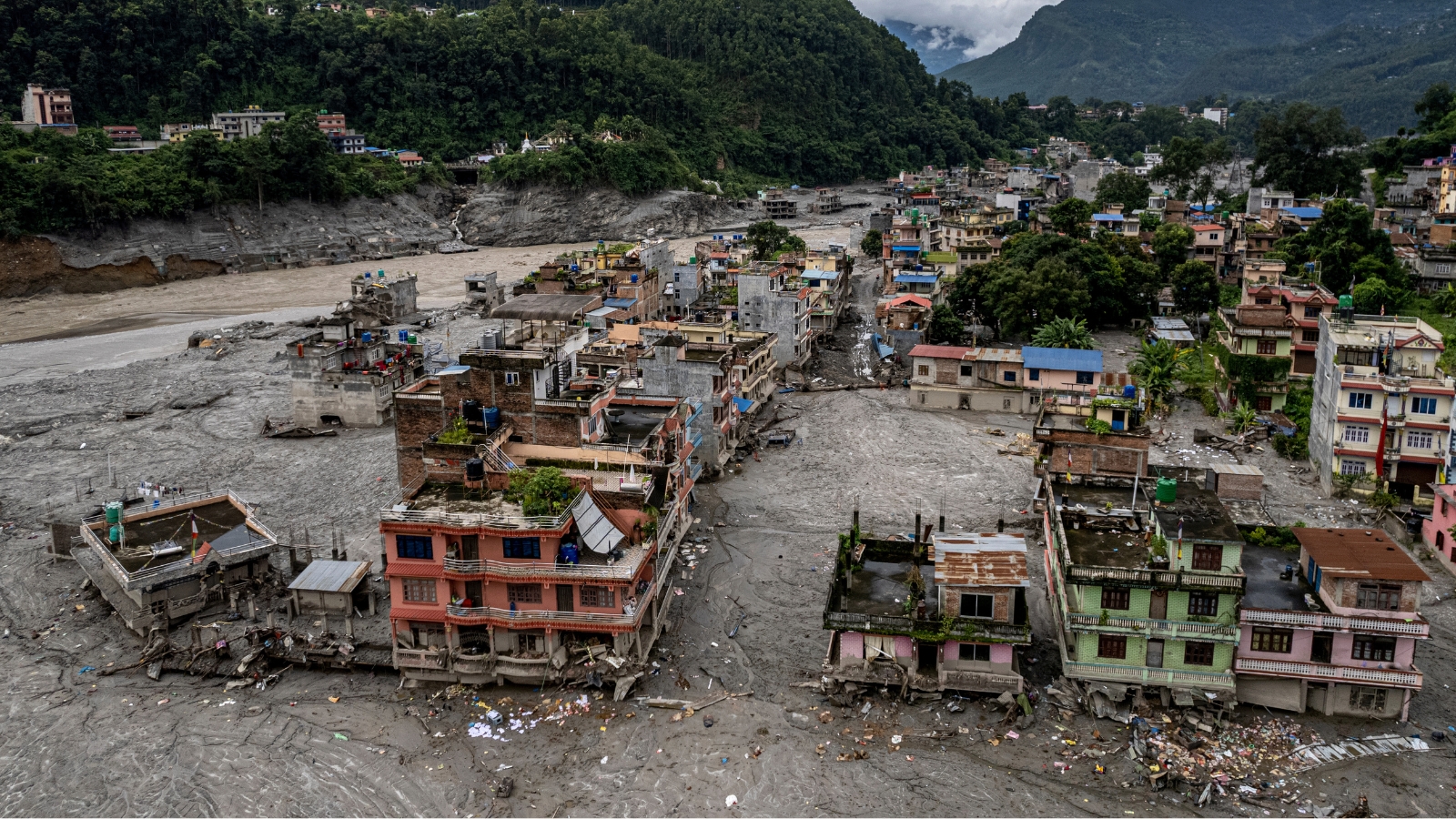
The catastrophe was triggered on August 26 by a massive glacial collapse near the Nepal-China border, sending a torrent of mud, rock, and water through the Trishuli River valley. This surge decimated critical infrastructure, including roads, bridges, and residential buildings. Currently, rescue teams are utilizing excavators and controlled blasting to clear debris from tunnels where roughly 900 people are feared trapped in hydropower plants.
In Kathmandu, the human toll is visible at the 'Wall of the Missing' at Tribhuvan University Teaching Hospital, where families desperately search for information. In a heartbreaking display of grief, some families in Nuwakot and at the Pashupatinath Temple have begun performing symbolic funerals using straw effigies for their missing loved ones.
| Category | Reported Figures |
|---|---|
| Total Fatalities | 1,252+ |
| Total Missing | 4,200+ |
| Missing Foreign Nationals | ~590 |
| Feared Trapped in Hydropower | ~900 |
Frequently Asked Questions
1. How many foreign nationals are still missing?
While some have been rescued, approximately 590 foreign nationals remain unaccounted for.
2. What is being done to identify the deceased?
Authorities are preserving DNA samples and photographs to help identify remains and facilitate the return of bodies to their families.