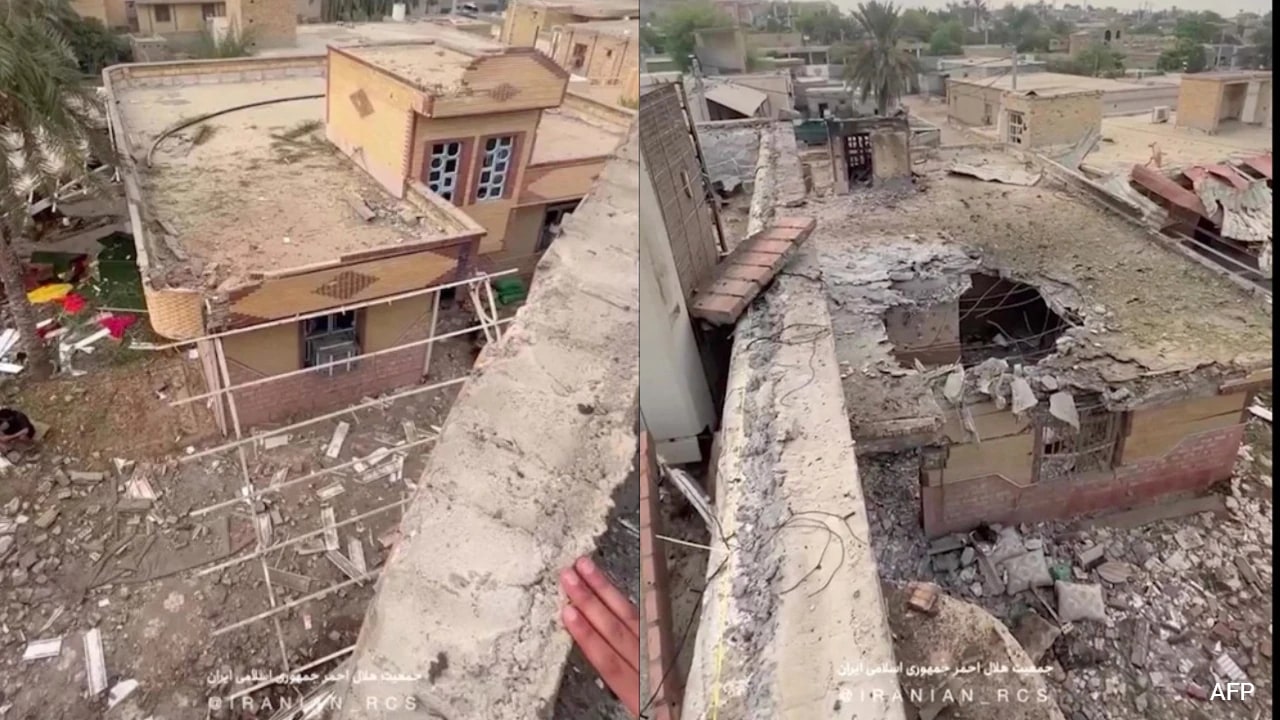
The death toll from the devastating flash floods in the Nepal-Tibet region has surged to 1,243, with thousands still missing. Prime Minister Shah has linked the disaster directly to global climate change and is demanding compensation from major industrial emitters.
- The death toll has reached 1,243, with over 4,000 people still missing.
- PM Shah has identified climate change as the primary driver of the disaster.
- Nepal is demanding compensation from major industrial emitters for the losses.
The scale of devastation caused by the recent flash floods across the Nepal-Tibet border has reached catastrophic proportions. Official reports confirm that the death toll has climbed to 1,243, while the search for more than 4,000 missing persons continues amidst treacherous terrain and ongoing landslides. The infrastructure in affected regions has been virtually obliterated, leaving thousands displaced.
The Climate Connection and Accountability
In a powerful address, Nepal's Prime Minister Shah emphasized that this is not merely a natural disaster but a direct consequence of global climate instability. He highlighted that the intensifying monsoon patterns and rapid glacial melting in the Himalayan region are symptomatic of the warming caused by high-emitting industrial nations.
Rejecting the notion of international aid as 'charity,' the Nepalese government has pivoted toward a demand for reparations. The administration argues that major industrial emitters must be held accountable for the disproportionate impact felt by developing nations like Nepal, which contribute minimally to global carbon emissions but suffer the most severe consequences.
Why This Matters
BozokMedia analysis shows that this crisis serves as a critical turning point in the global discourse on Climate Justice. The event underscores the widening gap between those responsible for environmental degradation and those bearing the brunt of its physical and economic costs. This could set a legal and political precedent for how vulnerable nations seek recourse in international forums.
"The catastrophe in Nepal is a stark reminder that climate change is no longer a distant threat but a present-day humanitarian crisis."
Historical Background: The Himalayan mountain range is one of the most ecologically sensitive zones on Earth. Increasing temperatures have led to unprecedented glacial retreats and erratic weather patterns, making the region increasingly prone to sudden, violent flooding events.
Frequently Asked Questions
Question 1: How many people are still missing in the Nepal floods?
Answer: As of the latest updates, more than 4,000 people remain missing.
Question 2: What is Nepal's stance on international aid?
Answer: Nepal has stated that they are seeking compensation for damages rather than mere charity from major industrial emitters.