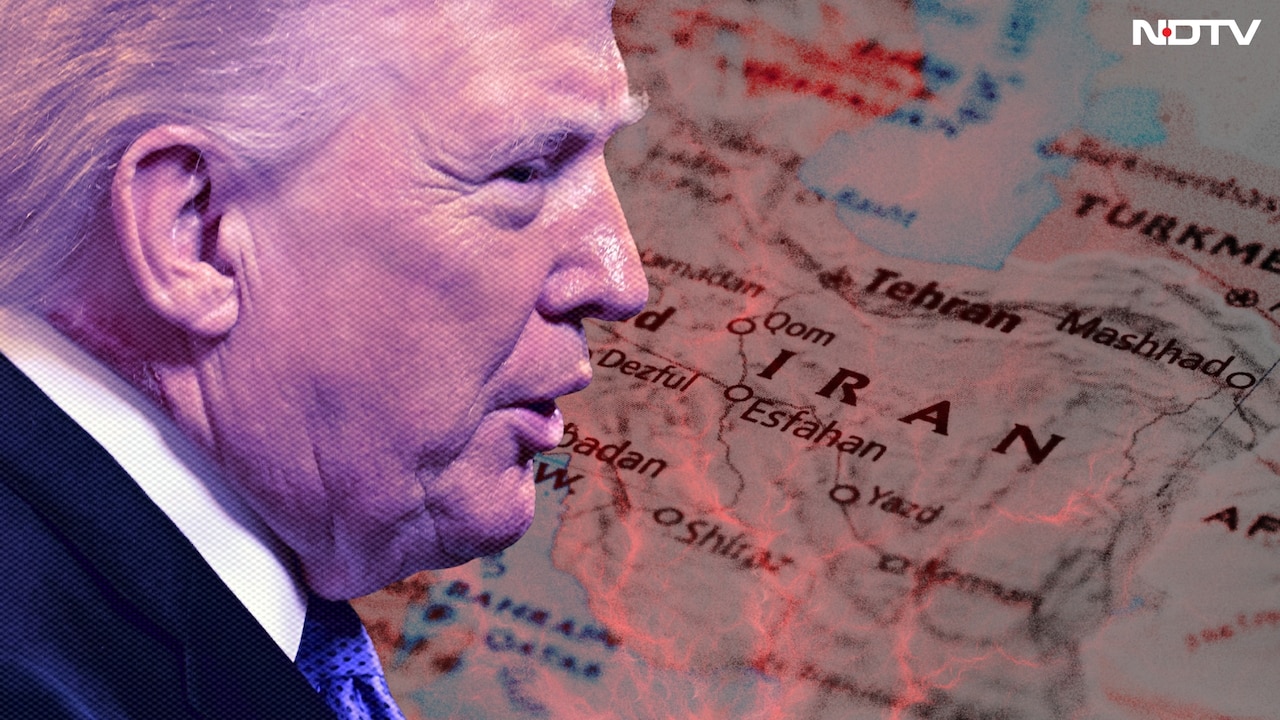
The scope of potential military action against Iran is expanding, with air defender deployment timelines increasing from 9 to 12 months.
- The military campaign against Iran is evolving from a short strike to a long-term operation.
- Deployment timelines for army air defenders have been extended from 9 to 12 months.
- Initial promises of a 'decisive and short' campaign are facing strategic shifts.
Recent intelligence and defense reports indicate a significant pivot in the Trump administration's strategic approach toward Iran. What was initially framed by Hegseth as a swift, decisive military campaign is now showing signs of exponential growth in complexity and duration. This shift suggests that the US is bracing for a much more protracted engagement than previously anticipated.
A critical component of this expansion is the adjustment of defensive postures. Reports confirm that the deployment period for army air defenders has been officially shifted from a 9-month window to a 12-month window. This extension is a clear indicator that the Pentagon is planning for sustained presence rather than a momentary intervention.
Why This Matters
BozokMedia analysis shows that this strategic pivot reflects a growing realization within the US defense establishment that a 'quick win' in the Iranian theater is unlikely. The expansion of deployment timelines suggests that the US is moving toward a containment-based strategy, prepared for the logistical and tactical challenges of a long-term regional presence.
The transition from a decisive strike model to an extended deployment model marks a fundamental change in US regional doctrine.
As preparations for 2027 deployment intensify, the global community must watch the implications for energy security and regional stability. A prolonged US military presence in the Middle East could fundamentally alter the geopolitical landscape for the next decade.
Historical Background
The tension between the United States and Iran has been a cornerstone of Middle Eastern instability for decades. From the 1979 Hostage Crisis to the recent tensions surrounding the nuclear program, the cycle of escalation and de-escalation has defined the relationship. Current movements suggest we may be entering one of the most intensive periods of military posturing in recent history.
Frequently Asked Questions
Question 1: Is the US officially at war with Iran?
Answer: No, current reports focus on strategic shifts in deployment and readiness rather than an active declaration of war.
Question 2: Why was the deployment period increased?
Answer: The increase from 9 to 12 months for air defenders indicates a preparation for a more prolonged military presence.

