The US government has sanctioned Fidel Ernesto Castro and the oil import company Abapet. This move is expected to severely exacerbate Cuba's ongoing energy shortages, blackouts, and humanitarian distress.
Washington: In a significant escalation of diplomatic and economic pressure, the United States government on Thursday imposed new sanctions on Fidel Ernesto Castro, the grandson of former Cuban President Raul Castro, and Abapet, Cuba's Oil Industry Supply Import Company. This move is strategically timed as the island struggles through an unprecedented energy and economic collapse.
Abapet plays a critical role in Cuba's infrastructure by importing the specialized equipment and spare parts required to maintain the nation's aging and fragile power grid. By targeting this entity, the US aims to restrict the maintenance capabilities of the island's energy sector. Brett Erickson, a sanctions expert at Obsidian Risk Advisors, noted that the measures are designed to push critical machinery offline, effectively deepening the darkness across the nation.
Why This Matters
BozokMedia analysis shows that these sanctions represent a shift toward more aggressive 'attrition-based' diplomacy. By targeting the specific technical components needed for survival—such as power grid parts—the US is moving beyond mere financial restrictions to direct infrastructural disruption. This increases the risk of a full-scale humanitarian emergency in the Caribbean region.
The goal is to create so much civilian hardship and suffering that the population has no option but to rise up and topple the government.
The impact on the ground is already devastating. Islandwide blackouts have become the norm, with outages often exceeding 24 hours. This crisis has been compounded by recent threats from the Trump administration regarding tariffs on countries providing oil to Cuba. As fuel reserves dwindle and the grid fails, the economic ripple effects—primarily hyperinflation—are felt by every household.
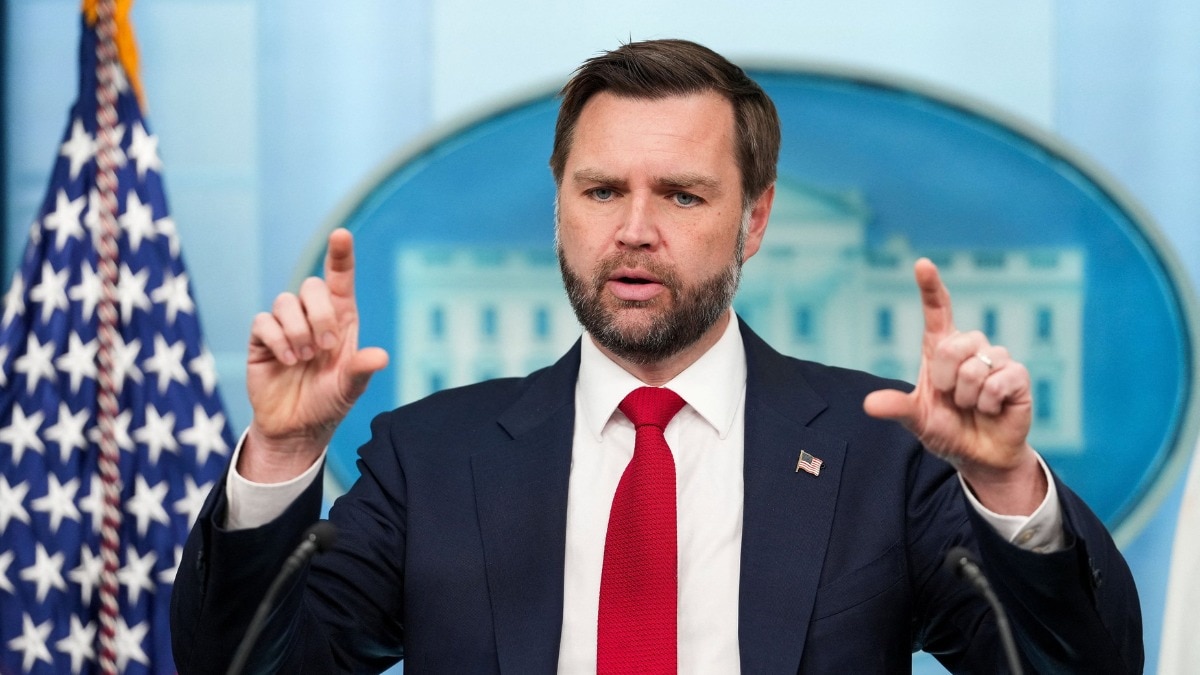
The political response has been polarized. Cuban Deputy Prime Minister Oscar Perez-Oliva Fraga condemned the move, describing the blockade as a form of 'genocide.' Conversely, US Secretary of State Marco Rubio defended the sanctions, asserting that those targeted are part of a 'corrupt Castro financial and intelligence network' that enriches elites while ordinary Cubans suffer.
As the US continues to target smaller state-owned companies, the prospect of a 'death spiral' for the Cuban economy grows more imminent. The halt in diplomatic talks earlier this year suggests that the path to resolution remains blocked by deep-seated ideological conflicts.
Frequently Asked Questions
1. How will the sanctions on Abapet affect daily life in Cuba?
By restricting spare parts for the power grid, the sanctions will likely lead to longer and more frequent blackouts, affecting water supply and food preservation.
2. Who is Fidel Ernesto Castro?
He is the grandson of former Cuban President Raul Castro and is identified by US officials as a key figure in the Castro family's financial networks.