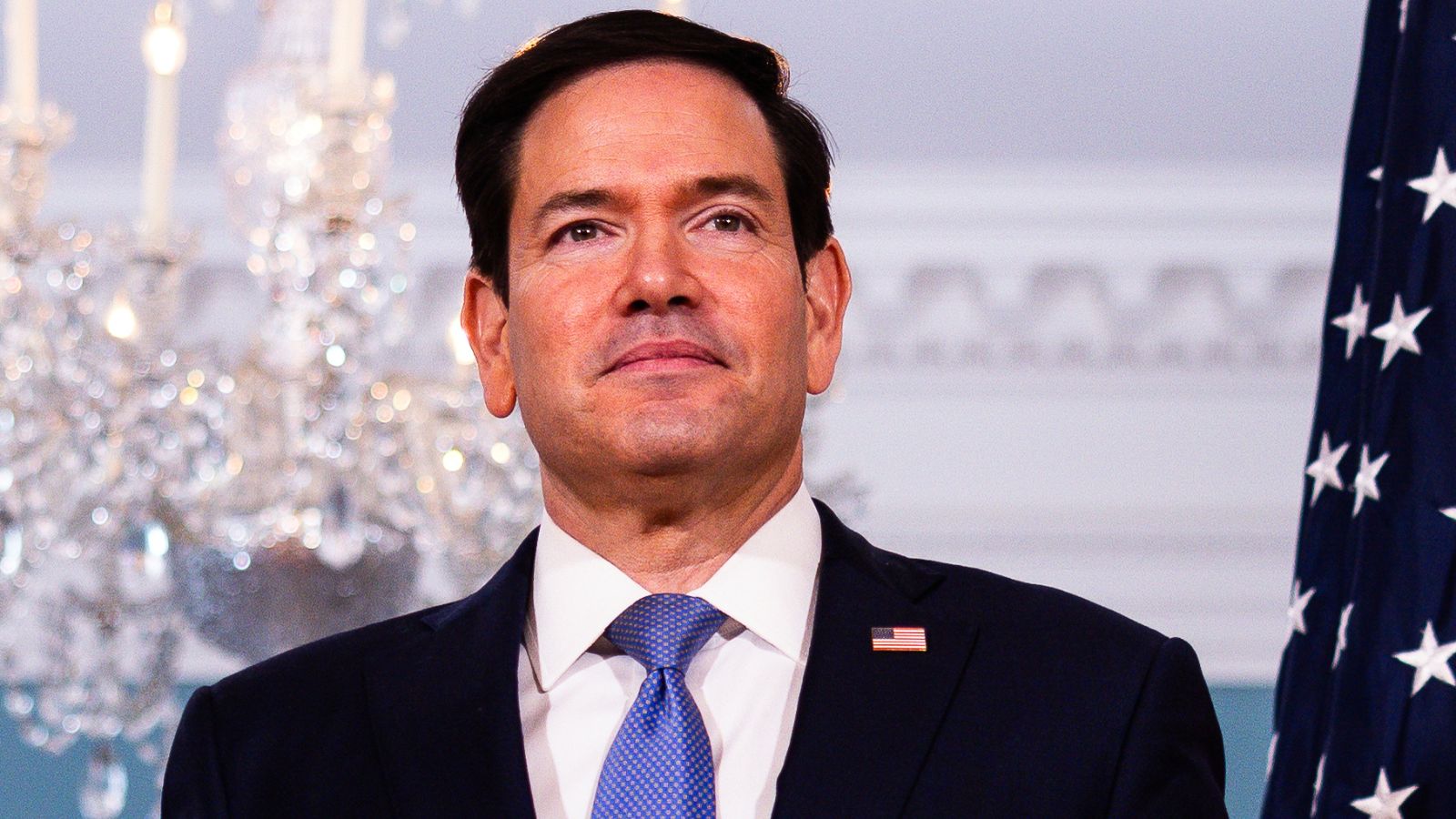
Following the high-profile meeting between PM Modi and Iranian President Pezeshkian at the SCO Summit, US Secretary of State Marco Rubio has issued a stern warning that any nation aiding Iran in evading sanctions will face repercussions.
- US Secretary Marco Rubio warned that countries helping Iran evade sanctions could face US sanctions themselves.
- The warning follows a meeting between PM Narendra Modi and Iranian President Massoud Pezeshkian at the SCO Summit.
- The US expressed concern regarding revenue generation for terrorism and nuclear programs.
The geopolitical landscape shifted significantly following the Shanghai Cooperation Organisation (SCO) Summit in Bishkek. Just one day after Indian Prime Minister Narendra Modi held talks with Iranian President Massoud Pezeshkian, US Secretary of State Marco Rubio issued a sharp warning regarding Iran's international standing. Rubio made it explicitly clear that the United States would not tolerate any nation assisting Tehran in circumventing existing sanctions.
Speaking during an interview on 'The Brian Kilmeade Show' on Fox News Radio, Rubio addressed the growing diplomatic engagement between various nations and the Iranian regime. "And if countries decide to do that, then we're going to have to sanction them too," Rubio stated, emphasizing that the US is monitoring mechanisms used to generate revenue for the Iranian government.
Why This Matters
BozokMedia analysis shows that this development highlights the growing friction between Washington's containment policy and the independent foreign policies of nations like India. The US is particularly concerned that any financial loopholes could enable Iran to fund terrorism or accelerate its nuclear ambitions, making every diplomatic interaction a potential flashpoint for international sanctions.
The US is signaling that its sanctions regime has teeth that extend far beyond Tehran's borders.
During the summit, Prime Minister Modi underscored the interconnectedness of modern global crises. Addressing SCO leaders, he noted that the conflict in West Asia is not localized, stating that it "impacts global energy security, maritime trade and supply chains." Modi advocated for a resolution rooted in dialogue and diplomacy rather than military confrontation, a stance that aligns with the Global South's perspective on regional stability.
Historical Background
The relationship between India and Iran has long been anchored by energy needs and strategic corridors like the Chabahar Port. However, the shadow of US sanctions on Iran has consistently complicated India's bilateral ventures, forcing New Delhi to navigate a complex path between its strategic autonomy and its deepening partnership with the United States.
Frequently Asked Questions
1. What was the core of Marco Rubio's warning?
Rubio warned that any country helping Iran create mechanisms to evade sanctions or generate revenue for terrorism/nuclear programs could face US sanctions.
2. What was PM Modi's stance at the SCO summit?
PM Modi emphasized that regional conflicts impact global energy and trade, and called for solutions through diplomacy instead of war.