India has responded to Nepal's call for climate-related compensation following devastating floods, asserting that developed nations must lead in emissions cuts and financial support.
- Nepal's Foreign Minister demanded compensation from major emitters like India, China, and the US.
- India reiterated that climate change is a shared challenge requiring differentiated responsibilities.
- Over 1,200 people died in recent flash floods caused by a glacier collapse in Nepal.
- India has pledged continued support for Nepal's reconstruction efforts.
New Delhi: The Ministry of External Affairs (MEA) on Friday responded to Nepal's foreign minister Shisir Khanal's demand for climate-related compensation from major greenhouse gas emitters. India reiterated its long-standing position that developed nations must take the primary lead in tackling the global climate crisis through emissions reductions, finance, and technology transfers.
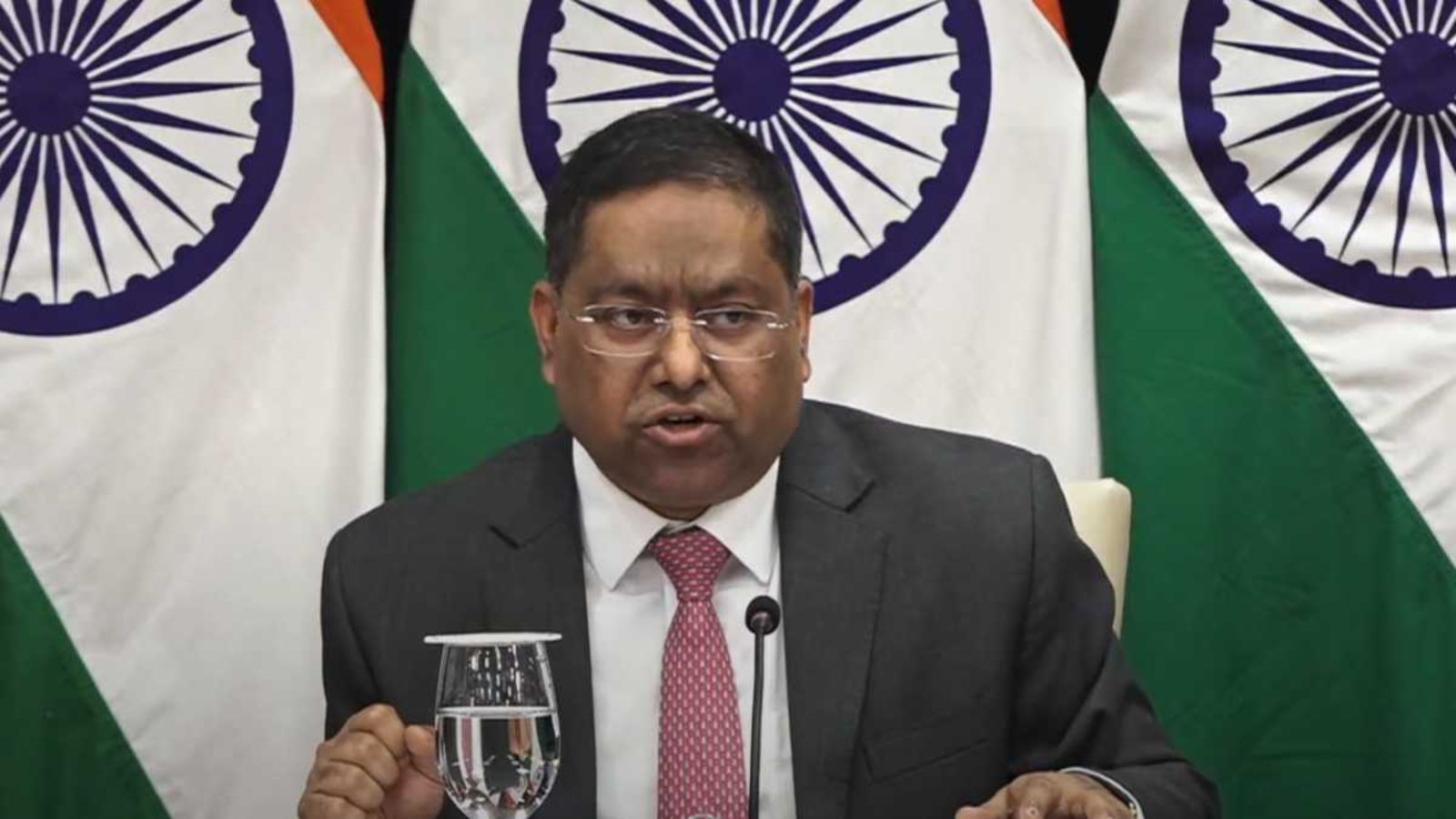
MEA spokesperson Randhir Jaiswal, during a press conference, emphasized that India has already extended immediate support to the government and people of Nepal following the catastrophic floods. "As a close friend and partner, India responded promptly and will continue to support the reconstruction and recovery efforts in the country," Jaiswal stated.
The Core of the Dispute
The diplomatic friction arose after Nepal’s Foreign Minister, Shishir Khanal, launched a push for climate justice. In an interview with the Kathmandu Post, Khanal argued that assistance for climate-vulnerable nations is "not a matter of charity; it is a matter of legal and moral liability." He specifically identified India, China, and the US as responsible parties, citing UN data that shows these three nations account for nearly 45% to 48% of global greenhouse gas emissions.
While India is the world's third-largest emitter, accounting for approximately 7-8% of global emissions, the Nepalese government views the disproportionate impact of climate change on its territory as a direct consequence of the industrial activities of larger economies.
Why This Matters
BozokMedia analysis shows that this confrontation highlights the growing tension between developing nations facing immediate climate catastrophes and major regional powers. The demand for 'compensation' rather than 'aid' shifts the discourse from humanitarian assistance to legal accountability, which could reshape international climate negotiations and bilateral relations in South Asia.
Climate action must be rooted in the principle of common but differentiated responsibilities to ensure global equity.
The urgency of this demand follows a devastating flash flood on August 26, triggered by a glacier collapse near Langtang National Park. The disaster resulted in the deaths of 1,259 people and left nearly 5,000 individuals missing, as massive amounts of debris surged through the Lhende Khola, Bhotekoshi, and Trishuli river valleys.
Historical Background
The Himalayan region is increasingly susceptible to Glacial Lake Outburst Floods (GLOFs) due to rising global temperatures. As glaciers melt at an unprecedented rate, the stability of mountain ecosystems is compromised, making countries like Nepal disproportionately vulnerable to disasters they did not historically cause.
Frequently Asked Questions
1. Why is Nepal demanding compensation from India and China?
Nepal argues that these nations are among the world's largest greenhouse gas emitters and therefore bear a moral and legal responsibility for the climate-induced disasters affecting vulnerable neighbors.
2. How has India responded to the flood crisis in Nepal?
India has provided immediate relief and has committed to supporting Nepal's long-term reconstruction and recovery efforts.