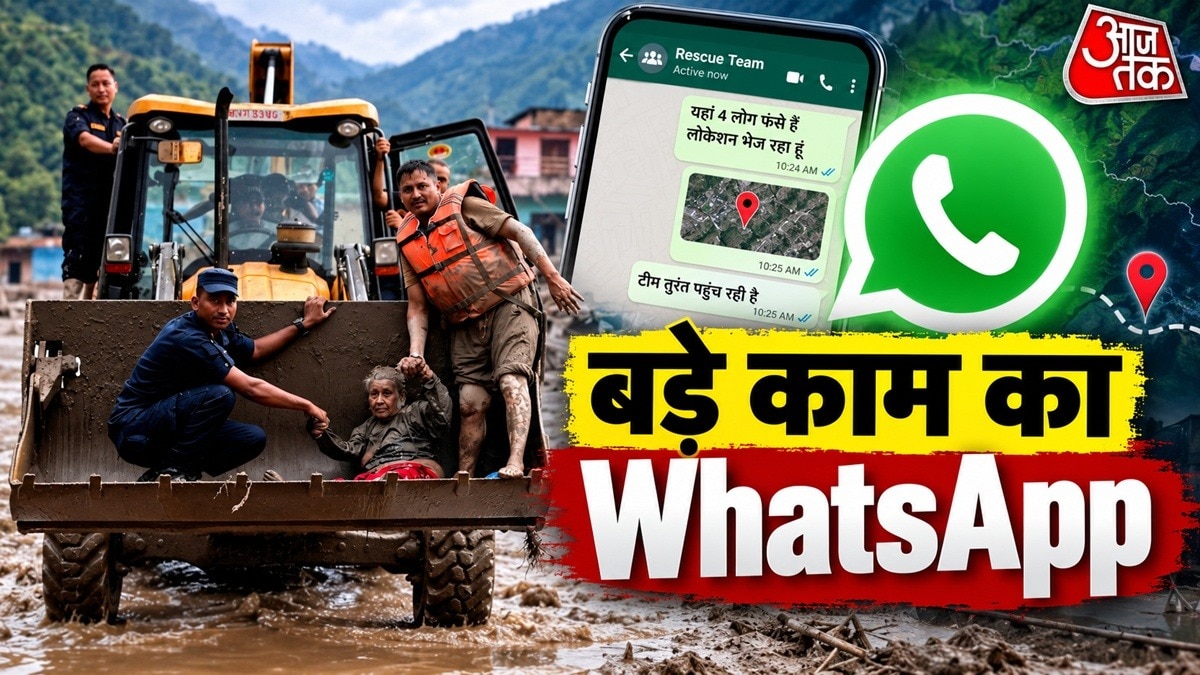
In the aftermath of devastating floods in Nepal's Trishuli Valley, a pre-established WhatsApp group of engineers is playing a life-saving role in guiding rescue teams through collapsed hydropower tunnels.
- Massive rescue operations are underway in Nepal's Trishuli Valley following catastrophic flooding.
- A WhatsApp group created by engineers is acting as a 'digital control room' for rescuers.
- Approximately 900 people are feared missing from six hydropower plants.
- Over 2.2 million tons of debris have blocked access to critical tunnel entrances.
Following the catastrophic flooding in Nepal, a massive rescue operation is currently underway, pivoting on an unexpected technological lifeline. In the Trishuli Valley, where a deluge of water, mud, and rocks has caused unprecedented destruction, the instant messaging app WhatsApp has transitioned from a social tool to a critical command center for saving lives.
The Digital Lifeline in the Rubble
According to reports from Reuters, the rescue mission is being guided by a specialized WhatsApp group formed by a team of engineers even before the disaster struck on August 26. This foresight has turned the app into a vital coordination tool, working in tandem with helicopters and heavy machinery to navigate the treacherous terrain.
Why This Matters
BozokMedia analysis shows that in high-stakes disaster management, real-time data dissemination is the difference between life and death. The ability of experts to transmit precise topographical data and tunnel schematics via mobile networks allows ground teams to bypass guesswork and head straight to high-probability survival zones.
The scale of the disaster is immense. Authorities estimate that nearly 900 people are missing from six different hydropower plants. There is a glimmer of hope, however, as officials believe that workers in the under-construction plants may have sought refuge within the reinforced tunnels to escape the initial surge.
The integration of real-time engineering data into mobile communication platforms is redefining modern disaster response protocols.
The first major breakthrough occurred last Friday, the ninth day of the operation, when two survivors were successfully extracted from the Upper Trishuli-3A hydropower plant. The survivors indicated that others might still be alive deeper within the tunnel network.
Despite these successes, the challenge remains monumental. The floodwaters brought an estimated 2.2 million tons of soil and debris into the valley, effectively sealing the entrances to many tunnels. Rescuers are now using the WhatsApp group to receive specific guidelines regarding tunnel routes and distances to navigate through the sludge.
Historical Background
Nepal's mountainous topography makes it highly susceptible to flash floods and landslides, especially during the monsoon season. As climate change intensifies weather patterns, the vulnerability of large-scale infrastructure projects like hydropower plants in these valleys has become a significant regional concern.
Frequently Asked Questions
1. How is WhatsApp being used in the rescue?
Engineers use the group to provide real-time navigation, tunnel layouts, and structural details to rescue teams.
2. How many people are currently missing?
Officials fear that around 900 people from six hydropower sites are missing following the floods.