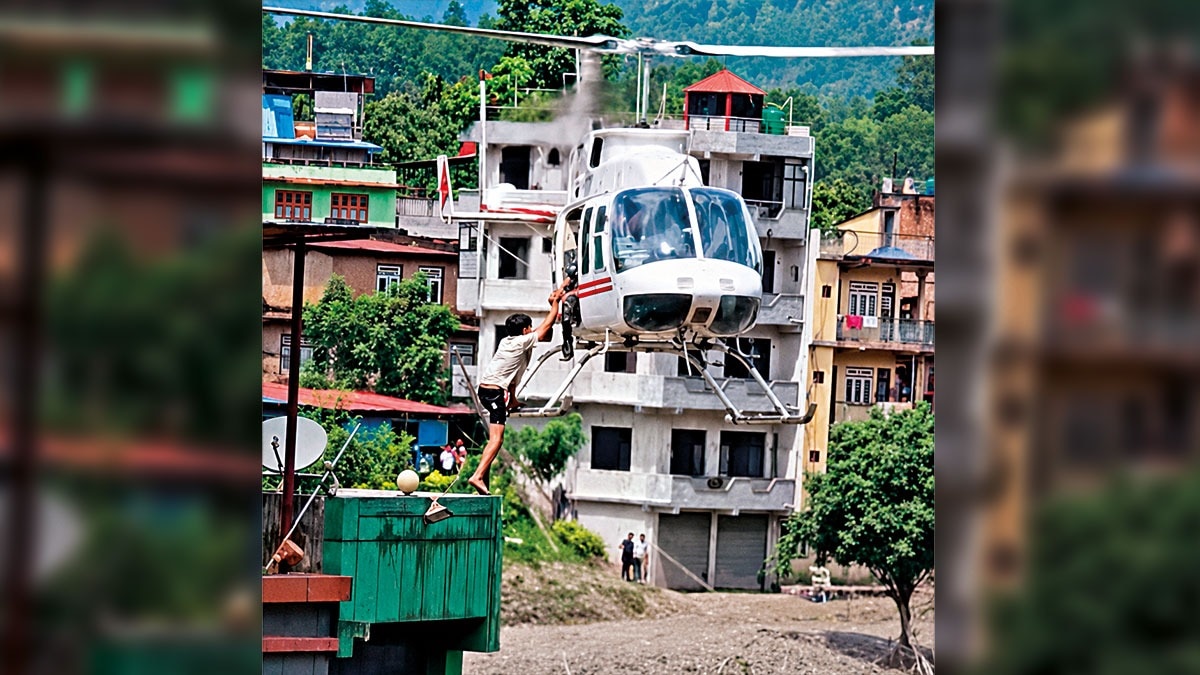
Massive flash floods along the Nepal-Tibet border have claimed 1,292 lives, marking the deadliest disaster since the 2015 earthquake. The nation now faces a grueling recovery process amidst rising climate change concerns.
- Confirmed death toll reaches 1,292 following flash floods on the Nepal-Tibet border.
- Nearly 5,000 people remain missing, fueling fears of a higher casualty count.
- Deemed the most fatal natural disaster in Nepal since the 2015 earthquake.
- Highlights the disproportionate impact of climate change on low-carbon emitting nations.
The scale of destruction in Nepal is staggering. Following the catastrophic flash floods that tore through the Nepal-Tibet border on August 26, the death toll has climbed to a harrowing 1,292 confirmed fatalities. With approximately 5,000 people still missing, the humanitarian crisis continues to intensify as search and rescue operations struggle against difficult terrain and rising waters.
This disaster represents a seismic shift in the region's risk profile. It is officially recognized as the most lethal and destructive natural catastrophe to strike the nation since the 2015 earthquakes. The loss of life and the sheer scale of infrastructural damage have left the government and local communities in a state of profound shock.
Why This Matters
BozokMedia analysis shows that this event is a stark manifestation of the global climate crisis. Nepal stands as one of the world's lowest carbon emitters, yet it finds itself on the front lines of climate-induced disasters. This disparity highlights a growing global injustice where nations least responsible for environmental degradation suffer its most violent consequences.
The intensification of weather extremes in the Himalayas is no longer a projection; it is a lived reality for millions.
As the government begins to quantify the economic and human cost, the focus shifts toward the monumental task of restitution. Rebuilding not just the roads and bridges, but the very fabric of communities scythed by the water, will require unprecedented international cooperation and long-term strategic planning.
Historical Background
Nepal's vulnerability to natural calamities is well-documented. While the 2015 earthquake fundamentally altered the nation's landscape and economy, the current floods present a different kind of threat—one driven by atmospheric changes and glacial instability. This shift from geological to meteorological disasters marks a new, more unpredictable era of environmental risk for the Himalayan region.
Frequently Asked Questions
Question 1: How many people are currently missing in Nepal?
Answer: Current reports indicate that nearly 5,000 people are still unaccounted for.
Question 2: How does this compare to the 2015 disaster?
Answer: While the 2015 event was a seismic earthquake, the current disaster is a hydro-meteorological event caused by massive flash flooding.