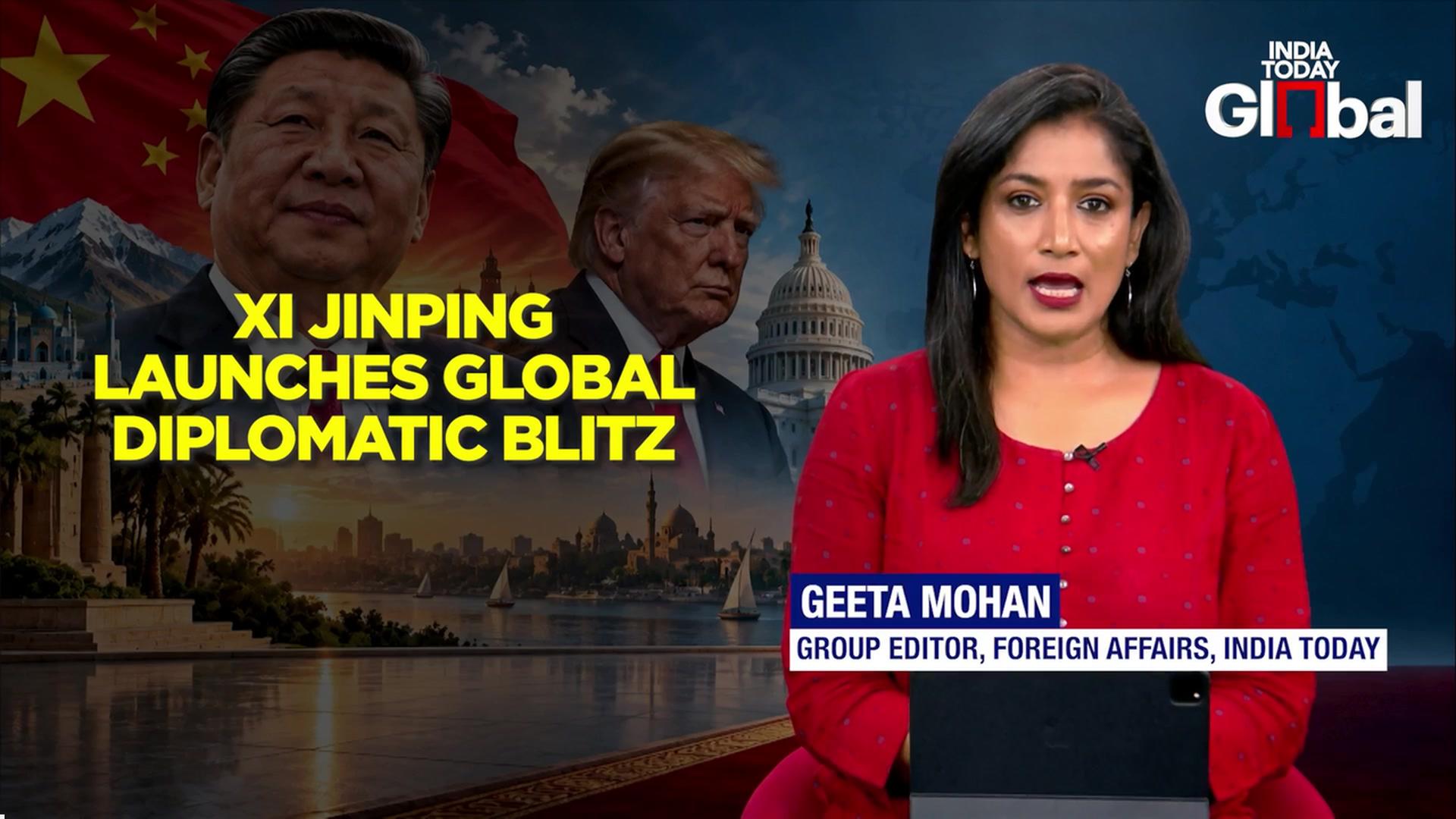
Chinese President Xi Jinping is engaged in an intensive diplomatic marathon to expand China's influence across the Global South. From Egypt to BRICS, Beijing is strategically strengthening partnerships to counter potential US shifts under Donald Trump.
- Xi Jinping is strengthening ties with Egypt, Central Asia, and BRICS nations.
- China aims to reduce reliance on Washington by expanding its market and tech reach.
- The stability of India-China relations remains a critical factor in this global strategy.
- Pakistan is attempting to frame the Baloch insurgency as an Indian-backed conflict.
Chinese President Xi Jinping is currently on a high-stakes diplomatic marathon, and the timing is surgical. By engaging with Kyrgyzstan, the Shanghai Cooperation Organisation (SCO), Egypt, and the BRICS nations, Beijing is aggressively expanding its sphere of influence. This movement comes as a preemptive strike to build a robust network of partners before any potential shifts in US foreign policy under Donald Trump.
The core of China's strategy is to demonstrate that it possesses the markets, technology, and infrastructure necessary to lead a global order independent of Washington. From deploying AI data centers in Egypt to securing vital transport corridors in Central Asia, Beijing is leveraging trade and technology to cement its status as a global superpower.
Why This Matters
BozokMedia analysis shows that China is not just seeking trade deals; it is constructing an alternative geopolitical architecture. Through platforms like BRICS and the SCO, China is actively challenging Western dominance and promoting the use of local currencies to diminish the hegemony of the US dollar.
Xi Jinping's outreach is a masterclass in preemptive diplomacy, designed to insulate China from future American protectionism.
Amidst this expansion, India remains the most critical variable. The question remains: can Xi Jinping and Prime Minister Narendra Modi stabilize their complex relationship despite years of intense border tensions? India's stance will likely determine the balance of power in the emerging multipolar world.
Historical Background
For decades, China has used its economic might to build the Belt and Road Initiative (BRI), creating a web of dependency and cooperation across Eurasia and Africa. This current diplomatic surge represents the evolution of that strategy into a more sophisticated political and technological alliance.
Meanwhile, in South Asia, the geopolitical landscape is shifting through narratives. Pakistan has recently introduced the term "Fitna al-Hindustan" to describe Baloch militant groups, attempting to pivot the focus of the internal Baloch insurgency toward an external Indian influence.
Frequently Asked Questions
1. What is the main objective of Xi Jinping's recent travels?
The primary goal is to solidify China's influence in the Global South and create a diplomatic buffer against potential US policy changes.
2. How does India fit into China's global strategy?
India is a pivotal player; China's ability to manage its relationship with India is essential for its broader goal of global leadership.