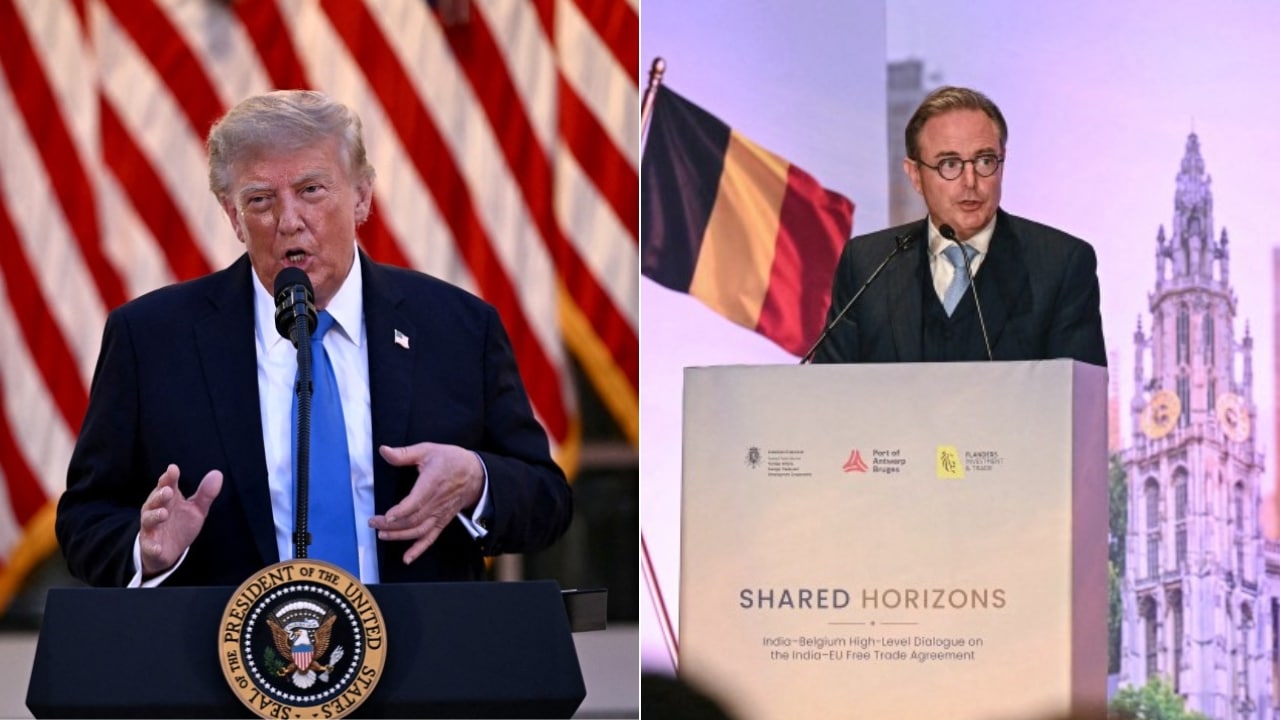
Belgian Prime Minister Bart De Wever has taken aim at the unpredictable nature of US trade policies, subtly criticizing Donald Trump's approach to tariffs.
- Belgian PM Bart De Wever criticized US trade unpredictability.
- The critique targeted the cycle of imposing and revoking tariffs.
- Implications for EU-US trade relations are significant.
In a recent diplomatic maneuver, Belgian Prime Minister Bart De Wever has voiced strong opposition to the volatile nature of United States trade policies. While avoiding a direct naming of President Donald Trump, De Wever's remarks were a transparent critique of the transactional and often inconsistent tariff strategies employed by the US administration.
De Wever characterized the US approach as a cycle of deciding, revoking, and reimposing tariffs. This 'whiplash' effect in trade policy, according to the Belgian leader, creates significant hurdles for international commerce and long-term economic planning.
Why This Matters
BozokMedia analysis shows that for a highly integrated economy like Belgium's, and by extension the European Union, the sudden shifts in American protectionism pose a direct threat to market stability. Predictability is the cornerstone of international trade, and the erosion of this predictability can lead to systemic economic shocks.
The inconsistency in trade enforcement acts as a tax on global economic certainty.
Historically, the shift toward aggressive tariff usage by the US has signaled a departure from the multilateralism that defined the post-war era. Belgium's stance reflects a growing sentiment within Europe that the current US trade trajectory is becoming increasingly unilateral and disruptive.
As global supply chains become more complex, the ability of nations to forecast costs and duties is paramount. The 'decide, revoke, reimpose' pattern mentioned by De Wever highlights the friction between nationalistic trade agendas and the realities of a globalized economy.
Frequently Asked Questions
1. Who is Bart De Wever?
He is the Prime Minister of Belgium, representing a key voice in European politics.
2. Why are tariffs a sensitive issue?
Tariffs affect the cost of goods, international relations, and the competitive balance between nations.
